New assistive device enhances grasping for people with spinal cord injuries
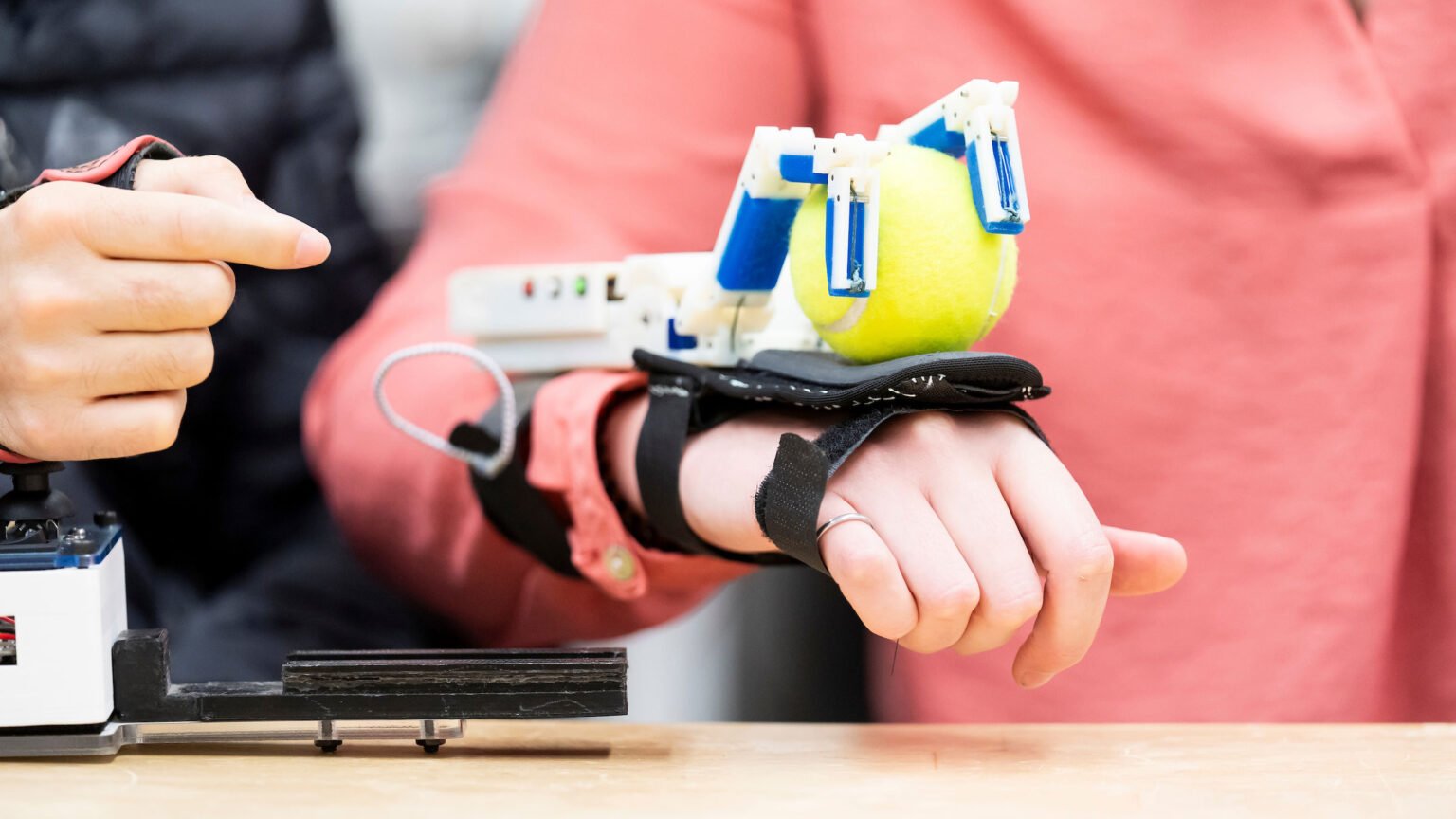
Dorsal Grasper provides an intuitive, collaborative grasping approach February 10, 2025 by Marni Ellery More than 15 million people worldwide are living with spinal cord injury (SCI), which can affect their sensory and motor functions below the injury level. For individuals with SCI between C5 and C7 cervical levels, this can mean paralysis affecting their limbs and limited voluntary finger and wrist flexion, making it difficult to grasp large, heavy objects. c The Dorsal Grasper, with its supernumerary robotic fingers, can expand the range of graspable objects and workspace. (Photo by Adam Lau/Berkeley Engineering) Another unique feature is the device’s use of robotic fingers to grasp with the back of the hand. Today, robotic wearables often fit around the person’s fingers, which creates a tension between what the person and the robot each want to do. With supernumerary grasping, both the person and robot are free to act as they see fit. And while grasping with the back of the hand may look a little silly, we believe it has great advantages that could one day allow the Dorsal Grasper to be an accessible and effective device. Drew: This population also generally uses wheelchairs to get around. So it can be hard to approach certain surfaces head-on, like counters or the refrigerator, to grab something, given that the legs are in the way. And with limited trunk control and overall body mobility, that kind of graspable workspace, or being able to reach things off a counter, is really restricted. This device stands out in that you can grasp with one hand pretty much anywhere you can reach that arm, which greatly expands your workspace. And you can grasp larger objects by using the supernumerary robotic fingers. What did you learn from your latest in-lab tests of the Dorsal Grasper? Jungpyo: Based on our in-lab testing with the Dorsal Grasper, we found that subjects could reach their hand out and rotate their hand a lot. So they could simply rotate their head to see the location and then easily grasp the object. This was possible because the robotic finger could be controlled with just wrist extension, something they use all the time. In follow-up interviews, many subjects mentioned that this control method made operating the device feel really intuitive. Hannah: And we achieved such intuitive operation without relying on any fancy components, like EMG [electromyography] sensors or neural interfaces. Jungpyo: The person is a partner, controlling the robotic finger and wrist extension. For example, sometimes the force of the robotic finger is not enough to grasp a heavy object. In that case, a person can extend their wrist more and increase grasping force, so they can successfully achieve this grasping. And if we want to drop an object of any size, we can simply release our wrist and grasping force and drop the object immediately, without waiting for a robotic response. Compared to a fully robotic system, the Dorsal Grasper allows for a faster response. How does the Dorsal Grasper help advance the field of assistive technology? Drew: A lot of devices seek to replace or do the same type of grasping that people are doing already, and the Dorsal Grasper isn’t trying to do that at all. I haven’t seen a lot of devices that adequately support intent detection, which is a significant challenge within the field. With Dorsal Grasper, we’re able to use people’s residual strength and their ability to move their wrist. That partial body power allows the device to read their intention to grab things, which allows for fewer false positives, or fewer accidental grasps. And this then makes it a little bit easier to use the device. And it’s not about just the device, but how we’re assessing the device. We’re not simply creating tasks that highlight the benefits of the robot, but rather we’re looking at ways that this device might be able to help someone in real life. Often this process involves applying my own lived experience as a person with SCI. Drew, you’re about to wrap up your Ph.D. and have been working on this project for many years. What’s changed since you first started this research? Drew: What’s changed the most is how I think about usability and design. I’ve become more critical of how devices can be used and how they can also get in the way. I think a lot of these devices are looked at in a very narrow scope of, “here’s a couple sets of tasks that we’re going to demonstrate in a lab.” But that doesn’t necessarily translate. That said, I truly did not have an appreciation for how difficult of a design challenge this would be: To build something that a user would not only want to wear because it’s comfortable, but also looks okay and isn’t going to stand out in the grocery store or look weird unless they want it to look futuristic — and some users do. Again, it’s going to need to be easy enough to take on and off. Otherwise, it’s going to just get discarded and stuffed in a closet and never get used. What have you learned from working with subjects while testing the Dorsal Grasper? Hannah: We’ve realized that even though someone has tetraplegia, they might still retain a lot of dexterity and ability. And we’ve grown an appreciation for the abilities that a person has in the absence of the device that we’re introducing. Our testing allows us to then see if the introduction of the device might negatively impact them or add new abilities. Drew McPherson and Hannah Stuart demonstrate the newest version of the Dorsal Grasper in the Embodied Dexterity Group’s lab at UC Berkeley. (Photo by Adam Lau/Berkeley Engineering) So we specifically included evaluation of people wearing the device but not using it. This comes back to that idea that Drew was talking about: Do you have to take it on and off? Is it practical? Is it useful? The first thing a device needs to do is not get … Read more

Healthy gut bacteria that feed on sugar analysed for the first time

Scientists at the University of Birmingham have analysed Akkermansia muciniphila, a gut bacterium that feeds on mucus sugars, revealing its role in gut health and disease prevention. c A new study has provided the first complete analysis of how Akkermansia muciniphila (AM), a beneficial gut bacterium, breaks down sugars in mucus. The research, published in Nature Microbiology on 31 January, sheds light on the molecular mechanisms behind this process, offering potential implications for gut health and disease management. Led by Dr Lucy Crouch from the University of Birmingham, the study identified 66 enzymes that AM uses to break down mucin, a key component of the mucus lining in the human gastrointestinal tract. The team used mucus from a pig model to observe how these enzymes function together to completely degrade mucin, marking the first systematic understanding of microbial digestion of O-linked sugars. “This is the first time that we have comprehensively seen how microbes break down the food source O-linked sugars in the gut. These newly characterised enzymes may help us understand the different glycans that humans produce, which can be indicative of disease. “These glycans, and others like them, are receptors for various pathogens and their toxins, such as Shiga toxin. If we can modify them, we may be able to influence disease severity. “We know that AM is a hugely important microbe. Its levels can be a strong indicator of overall health, with lower levels being linked to inflammatory diseases and diabetes. AM is also highly sensitive to dietary fibre intake.” Previous research has shown that AM proteins and membrane extracts have beneficial effects on metabolism and immune regulation. This latest study enhances understanding of how AM interacts with its human host and may open new avenues for microbiome-based therapies.

Lab-Grown Sperm and Eggs Will Soon Let Parents Customize Their Children

Imagine a future where the birth of a child could transcend the boundaries of natural biology, offering options beyond what nature dictates. This isn’t the plot of a new science fiction film; it’s a reality that could soon be upon us through the advancements in a groundbreaking technology known as in-vitro gametogenesis (IVG). This innovative approach has the potential to redefine the concepts of fertility and parental choice, promising profound changes in how we conceive new life. c

Study shows the human brain keeps working after death

What if the final moments of life were not marked by silence but by a surge of unseen activity? Imagine a symphony reaching its crescendo—not fading into nothingness, but intensifying in a final burst of energy. This is what scientists have observed in the human brain at the moment of death: a sudden spike in high-frequency brain waves, particularly gamma waves, which are linked to memory, awareness, and consciousness itself. c

Groundbreaking Trial Involving 700,000 Women Kicks Off After AI Predicts Breast Cancer Five Years Early

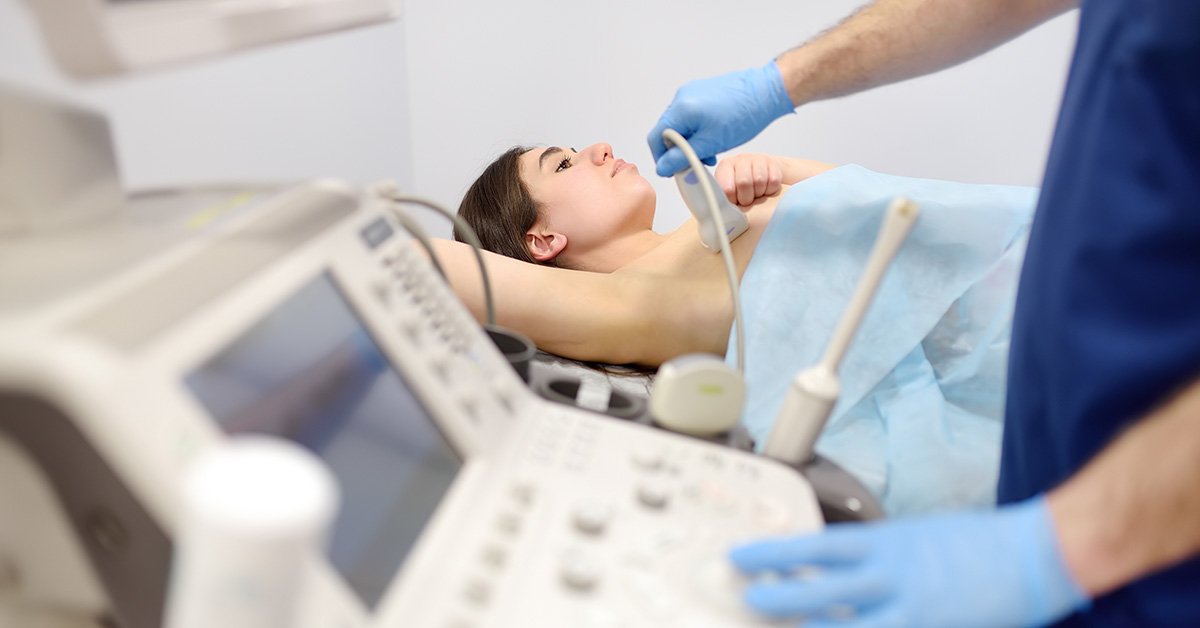
Thousands of women will participate in a study to see if AI could be used for early breast cancer detection. Around 700,000 women in the UK will take part in the AI breast cancer trial, according to the DHSC. Thirty testing sites will be involved in the study, each fitted with groundbreaking AI digital screening technology. Any woman who has already booked a routine breast cancer screening with NHS will be invited to participate in the study. c The AI system will work together with radiologists to analyze changes in breast tissue that may indicate the early development of cancer. It will then subsequently refer them for further examination if necessary. If this technology works, it could potentially free up hundreds of specialist practitioners and reduce waiting list times. This new AI breast cancer system is called EDITH (Early Detection using Information Technology in Health). The NIHR has so far provided the study with £11 million in government funding. It’s just one aspect of the current effort to change cancer care in the UK. There, scientists are currently focusing on the exciting potential of using innovative technologies to address one of the nation’s leading killers× The Importance of AI Breast Cancer Research Credit: Pexels The most common type of cancer in women is breast cancer. According to WHO, 2.3 million women were diagnosed with breast cancer in 2022 alone, and there were 670,000 deaths worldwide. At the moment, the National Health Service screens around 2.1 million women for breast cancer every year. This has helped prevent around 1,300 deaths annually – a number that would rise significantly if women were diagnosed earlier. An independent investigation of the NHS revealed that survival rates in the UK were worse than in several similar nations regarding certain cancers. Read More: Woman with Stage 4 Cancer Shares 3 Overlooked Symptoms She Ignored Already Showing Promise Credit: Pexels This is not the first time that AI technology is being explored for cancer diagnosis. In fact, it has outperformed doctors in accurate diagnosis on many occasions. For example, a system called MIA was employed to analyze over 10,000 mammograms in an NHS study. MIA managed to flag every case and even identified 11 cancers missed by the doctors. According to the president of the Royal College of Radiologists, Dr. Katherin Halliday, “These results are encouraging and help to highlight the exciting potential AI presents for diagnostics.” She went on to say that there is no doubt that clinical radiologists are indispensable. However, she feels that a clinical radiologist who uses the insights provided by proven AI technologies will become an enormous asset in cancer patient care. Another Norwegian study found that breast cancer risk could be predicted up to six years before a diagnosis using AI screening technologies. Other AI Medical Applications Credit: Pexels AI assists doctors in a number of medical fields, in addition to cancer detection. It can help detect diabetic eye disease in its early stages thus preventing blindness. In general, AI enables doctors to make better decisions and detect illnesses quickly. Mental health professionals employ AI chatbots to help clients deal with their feelings of depression and anxiety. AI also improves scans such as MRIs and CTs, increasing the accuracy of disease identification. These advances demonstrate how artificial intelligence is transforming healthcare and improving outcomes for patients. The Bottom Line on AI Breast Cancer Detection Credit: Pexels Many people think of AI as something that just rewords other people’s ideas and creates funny images. However, AI has been effectively employed in a range of different applications, from military to medical. AI breast cancer technology can potentially revolutionize the way we currently detect and treat this disease. The future of medicine is constantly evolving and AI is playing an important role in shaping it.

Ranking the Top Zodiac Signs for Girlfriends and Wives (From Least to Most Compatible)

Finding the right partner isn’t always easy. Some people crave adventure, while others want deep emotional connections. Astrology offers insight into personality traits, strengths, and challenges in relationships. Some zodiac signs bring excitement and passion, while others create stability and loyalty. If you’ve ever wondered which zodiac signs make the best girlfriends or wives, this ranking breaks it down from the most unpredictable to the most devoted. c A Gemini woman thrives on variety and intellectual stimulation. She’s adaptable, witty, and enjoys engaging in diverse conversations. Her dual nature can make her seem inconsistent, leading to unpredictability in relationships. Her love language often includes words of affirmation, as she values meaningful communication. To keep her engaged, a partner should embrace spontaneity and provide mental stimulation. However, her restlessness can sometimes lead to a lack of commitment, making long-term relationships challenging. Understanding her need for freedom and variety is key to maintaining a harmonious relationship. If you can match her intellectual curiosity and keep up with her dynamic lifestyle, she can be an exhilarating partner. 11. Aries – Passionate but Impatient Source: Pexels An Aries woman approaches love with enthusiasm and vigor. She’s adventurous, confident, and enjoys taking the lead in relationships. Her impatience can lead to frustration if things don’t progress quickly. Her love language often involves acts of service and physical touch, reflecting her desire for action and closeness. A partner who matches her energy and appreciates her independence will find a loyal companion in her. However, her assertiveness can sometimes come across as domineering, which may intimidate more reserved partners. She thrives in relationships that offer excitement and new challenges, as routine can quickly bore her. If you can keep up with her pace and respect her need for autonomy, she will be a passionate and devoted partner.​ 10. Aquarius – Independent but Detached An Aquarius woman values her independence and cherishes freedom in a relationship. She’s innovative, intellectual, and enjoys deep, philosophical discussions. She can appear detached, making emotional intimacy challenging. Her love language leans towards quality time spent exploring new ideas together. A partner who respects her need for space and engages her intellectually will find a unique and stimulating companion. However, her aloofness can sometimes be mistaken for disinterest, which may frustrate more emotionally expressive partners. She thrives in relationships that allow personal growth and mutual respect for individuality. If you appreciate a partner who challenges conventional norms and encourages intellectual exploration, she will be an inspiring companion. 9. Sagittarius – Adventurous but Restless Source: Pexels A Sagittarius woman embodies a free spirit, constantly seeking new experiences and knowledge. She’s optimistic, open-minded, and loves exploring the world. Her restlessness can make commitment challenging. Her love language includes shared adventures and intellectual conversations, reflecting her desire for growth. A partner who shares her zest for life and supports her need for freedom will enjoy an exhilarating relationship. However, her fear of being tied down can lead to a reluctance to settle, which may be challenging for partners seeking stability. She thrives in relationships that offer both companionship and the freedom to explore independently. If you can embrace her adventurous spirit and avoid imposing limitations, she will be a joyous and inspiring partner. 8. Capricorn – Loyal but Reserved Source: Pexels A Capricorn woman approaches relationships with seriousness and dedication. She’s ambitious, practical, and values stability. Her reserved nature can make emotional expression difficult. Her love language often involves acts of service and providing security, showcasing her commitment. A partner who appreciates her reliability and supports her goals will find a steadfast and supportive companion. However, her focus on work and long-term planning can sometimes make her seem distant or unapproachable. She thrives in relationships that offer mutual respect and shared ambitions. If you can understand her need for structure and patience in expressing emotions, she will be a loyal and dependable partner.​ 7. Virgo – Thoughtful but Critical Source: Pexels A Virgo woman is attentive and deeply caring, often anticipating her partner’s needs. She’s detail-oriented, intelligent, and values order. Her perfectionist tendencies can lead to critical behavior. Her love language includes acts of service and practical support, reflecting her nurturing nature. A partner who understands her intentions and values her efforts will find a devoted and meticulous companion. However, her desire for perfection can sometimes lead to overthinking and unnecessary worry. She thrives in relationships that offer stability and clear communication. If you can appreciate her meticulous nature and provide reassurance, she will be a caring and supportive partner.​ 6. Leo – Confident but High-Maintenance Source: Pexels A Leo woman radiates warmth and charisma, drawing others to her vibrant personality. She’s generous, passionate, and loves being in the spotlight. This zodiac sign requires constant admiration and attention. Her love language often involves words of affirmation and grand gestures, showcasing her need for appreciation. A partner who showers her with praise and shares her enthusiasm will enjoy a dynamic and loving relationship. However, her need for attention can sometimes come across as self-centeredness, which may be challenging for more introverted partners. She thrives in relationships that celebrate mutual achievements and public displays of affection. If you can match her energy and appreciate her flamboyant nature, she will be a loyal and exhilarating partner.​ Read More: 15+ Incredible Before and After Photos of Women Embracing Motherhood 5. Scorpio – Intense but Loyal Source: Pexels A Scorpio woman experiences emotions deeply and seeks profound connections. She’s passionate, intuitive, and values honesty. However, her intensity can be overwhelming, and she may struggle with jealousy. Her love language includes physical touch and deep emotional bonding, reflecting her desire for intimacy. A partner who earns her trust and matches her depth will find a fiercely loyal and transformative companion. She expects complete honesty and emotional transparency in return for her devotion. If she senses deception or emotional distance, she may withdraw and become guarded. However, when she feels truly secure, she creates a love so deep and unshakable that it feels almost magnetic. 4. Libra – … Read more

Beandri Booysen, Girl in South Africa with progeria dies

Beandri Booysen’s life exemplified strength, love, and the incredible impact of a positive spirit. Even while battling a rare and devastating illness, she spread joy that resonated with countless individuals. Sadly, her journey has come to a close—just days before Christmas. c The chances of being born with progeria are about 1 in 4 million, and currently, there are fewer than 400 children and young adults around the globe living with this condition. Doctors initially believed that Beandri wouldn’t make it past her early teenage years. However, Beandri had different aspirations. From the very first words she spoke, Beandri was determined not to let her condition limit her. Weighing only 12 kilograms (26 pounds) and facing the challenges of her illness, her spirit remained boundless. She went to school, aspired to be a teacher, and even envisioned a future where she would marry and have twins. Beandri was resolute in living like any other teenager, savoring every single moment. Beandri discovered her voice on social media, particularly through her TikTok account, where she shared motivational content and personal insights. Her engaging videos quickly attracted nearly 300,000 followers. Her inspiring motto, “Be yourself. Love yourself. Believe in yourself,” struck a chord with audiences worldwide. Through her posts, she not only opened up about her own journey but also raised awareness about progeria, fostering understanding and empathy. A mother’s sorrow Just weeks after her 19th birthday, Booysen encountered a sudden health emergency. “Please pray. Beandri’s heart has stopped,” her mother, Bea, posted on Wednesday. “They are working to revive her. Please keep her in your thoughts.” On December 18, Bea shared the heartbreaking news that her daughter had passed away. In her message, filled with both grief and pride, she described Beandri as a “vibrant personality” and the “last person in South Africa living with progeria.” “She was a voice and a beacon of awareness for Progeria and other special needs,” Bea wrote. “She never gave up.” As news of her passing spread, tributes began pouring in on TikTok. “Rest In Peace, my sweet friend. I will miss you so much,” one person commented. Many others shared their sorrow, offering heartfelt condolences to Beandri’s family and friends. Her enduring message Though Beandri’s time with us was far too brief, she made the most of her life by reminding us of what truly matters. She encouraged us to live fully, love deeply, and find joy in every moment. Her infectious laughter, unwavering optimism, and commitment to helping others will always be remembered. While her family has requested privacy during this challenging time, one thing is clear: Beandri’s spirit will continue to shine brightly through the countless lives she impacted. As we cherish her story, let it inspire us to value our moments and to embrace life with the same courage and joy that Beandri exemplified every day.