Something Scary Happens When You Search For The Iconic ‘Ghost Car’ Video on Google Maps

Something Scary Happens When You Search For The Iconic ‘Ghost Car’ Video on Google Maps Remember the early 2000s, a time when viral videos were rare, and jump scares were unexpected? For many of us, one of the most terrifying online experiences came from the infamous ‘Ghost Car’ commercial. What seemed like a calm, serene car advertisement turned into one of the first viral jump-scares ever created. But did you know something spooky happens when you search for the iconic ‘Ghost Car’ location on Google Maps? Let’s dive into what happens when you look up the infamous coordinates.1 The Origins of the ‘Ghost Car’ Video Credit: Youtube In 2004, K-fee, a German energy drink company, released what is now considered one of the first viral jump-scare videos. Initially, the ad seemed like a typical car commercial, featuring a vehicle driving peacefully through the countryside. Soft music played in the background, and all seemed calm—until the car suddenly disappears behind some bushes, and a screaming zombie-like figure bursts onto the screen. The tagline of the commercial, “So wach warst du noch nie” or “You’ve never been so awake,” perfectly captured the shocking effect of the jump-scare. K-fee used this terrifying technique to promote their energy drinks as something that would jolt you into alertness. Jump-Scare Culture and Early Viral Content Credit: Unsplash This particular advert holds a special place in internet history. It spread rapidly across email chains and early video-sharing platforms before the rise of social media, becoming one of the first examples of “shock content.” People vividly recall their reactions to seeing it for the first time. One Reddit user described being “traumatized” after their teacher showed it to their class early in the morning.2 The ‘Ghost Car’ ad set the stage for the jump-scare trend, which would go on to become a staple of both horror cinema and prank videos. People loved to scare their friends by sending them the link under the guise of a harmless car commercial. The Google Maps Connection Credit: Google Maps Nearly 20 years later, the terror of the ‘Ghost Car’ video has found a new home—on Google Maps. If you enter the coordinates “36°46’9.27″N, 119°15’21.93″W,” something eerie happens. When you input these exact coordinates into Google Maps, an image of a car strikingly similar to the one from the video appears. The car is parked in a desolate area, and while there’s no zombie in sight, the haunting association with the infamous advert makes the whole experience feel unsettling. It’s as if the ghost of the commercial still lingers in the digital landscape. Why the ‘Ghost Car’ Still Haunts Us Credit: Youtube Why does this jump scare, created nearly two decades ago, continue to haunt us? For many, the unexpectedness of the zombie’s appearance in what seemed like a serene setting was what made the video so terrifying. As one viewer pointed out, “I remember first seeing this back in elementary school. Some friends of mine suggested I’d watch it. Now I no longer see them as friends”. This ad’s enduring impact can also be attributed to its role in shaping internet culture. Jump-scares have since become a common feature in both horror and prank videos, but few can replicate the raw shock value of the original ‘Ghost Car’ ad. Social Media Reacts Credit: X Even years later, people continue to discuss the ‘Ghost Car’ ad on social media, recalling their first terrifying experience with the video. One Twitter user commented, “That was a good jump-scare, I couldn’t feel my hands for a second”. Others pointed out the importance of reading the comments before watching potentially scary content. One user even said, “This video is proof that reading comments before watching certain videos is important”. The widespread fear and shock generated by the ‘Ghost Car’ video has cemented its place in internet folklore, where it continues to be referenced as one of the greatest jump-scares of all time. Check at Your Own Risk Credit: Youtube So, if you’re feeling brave, go ahead and search for the coordinates “36°46’9.27″N, 119°15’21.93″W” on Google Maps. Whether you believe in ghosts or not, the eerie connection to the original ‘Ghost Car’ video might send a shiver down your spine. After all these years, this video—and its newfound digital location—continues to remind us that sometimes, even the most peaceful scenes can hide something truly terrifying.

There Will Be No Phones In The Future, Only ‘Neuralink’ Will Exist, Elon Musk

There Will Be No Phones In The Future, Only ‘Neuralink’ Will Exist, Elon Musk Elon Musk believes that in the future, phones will become obsolete and be replaced by Neuralink, a technology that allows people to control devices with their minds. His company, Neuralink, recently completed its first human trial by implanting a brain chip in 29-year-old Noland Arbaugh, who is paralyzed. Since receiving the implant in January, Arbaugh has made remarkable progress and can now control devices just by thinking. This breakthrough demonstrates the potential of Neuralink to revolutionize how we interact with technology. Musk shared on social media that he envisions a future where Neuralink users will dominate. The company is now looking for more participants to join upcoming trials to further test and develop this innovative technology

If You Have These Tiny, White Bumps on Your Face, Don’t Try to Remove Them!

If You Have These Tiny, White Bumps on Your Face, Don’t Try to Remove Them! As the outermost part of our body, our skin is completely exposed to the elements, so it makes sense that people all over the world, of all ages, experience various skin conditions. From psoriasis to eczema, most of the skin issues that we have are rooted in inflammation, but not every bump and discoloration is considered a skin condition worthy of intervention. Take milia for example. If You See White Bumps on Your Skin, You May Have Milia You may have experienced milia as an infant, but are unaware of it. A milium cyst, or milia, is generally caused by entrapped keratin (the protein that makes up hair, skin, and nails). It is most common in infants, with up to half of all infants developing it[1]. This is because at this early stage in development the infant’s skin is still learning how to exfoliate. However, milia can occur in people of all ages when something clogs the ducts leading to the skin’s surface, like an injury or a burn[2]. Milia is often seen as tiny white bumps on the nose, chin, or cheeks, and can also be seen on other areas of the body. Though milia are seen in both infants and adults, the types of milia vary, and treatment is different for each and is very often not necessary. Milia is generally completely harmless and will go away on its own. That being said, it’s important to understand how to identify these little bumps to understand if you should intervene or not. The Different Types of Milia Milia types are classified based on the age at which the cyst forms or what’s causing the cyst to develop[1]. Neonatal Milia Neonatal milia develop within infants and clear up within a few weeks. Cysts are typically seen on the face, scalp, and upper torso[2]. According to the Seattle Children’s Hospital, milia occurs in around 40% of newborn babies[3]. Juvenile Milia Rare genetic disorders, such as Nevoid basal cell carcinoma syndrome (NBCCS), Pachyonychia congenita, Gardner’s syndrome, or Bazex-Dupré-Christol syndrome can lead to juvenile milia[2]. Milia en Plaque This type of milia is often associated with genetic or autoimmune skin disorders, such as discoid lupus or lichen planus, and it affects the eyelids, ears, cheek, or jaw. It is commonly seen in middle-aged females, but it can be seen at any age in either gender[1]. Primary Milia This type of milia is seen in older children and adults. Cysts can be found around the eyelids, forehead, or on the genitalia. It may disappear after a few weeks, or last for several months[1]. Traumatic Milia Milia can sometimes occur on the skin where another injury (such as a rash or a sunburn) have occurred. The cysts may become irritated, making them red along the edges and white in the center[1]. Diagnosis Due to the fact that milia are quite visible, a dermatologist will visually determine if you have milia based on the appearance of cysts. Skin lesion biopsies are only needed in rare cases[2]. If you see similar little white bumps on your skin you may want to check with a doctor to deduce if you indeed have milia, and to decide on a treatment plan (if you desire one). Milia Removal and Treatment Due to the fact that infant milia generally disappear on their own within a few weeks, there is no milia removal or treatment process. Milia in older children and adults disappears on its own as well, but some people may choose to treat it if there is some discomfort. Common practices include: Cryotherapy – Liquid nitrogen freezes the milia. It’s the most frequently used removal method. Deroofing – A sterile needle picks out the contents of the cyst. This method is common for treating milia. Topical retinoids – These vitamin A-containing creams help exfoliate your skin. Chemical peels – Chemical peels cause the first layer of skin to peel off, unearthing new skin. Laser ablation – A small laser focuses on the affected areas to remove the cysts. Diathermy – Extreme heat destroys the cysts. Destruction of curettage – The cysts are surgically scraped and cauterized.[2] Milia has even been treated using a paper clip, but it is recommended that the procedure be completed by a doctor and not attempted at home[5] The following video shows a dermatologist removing multiple milia using the deroofing method. How to Prevent a Milium Cyst Even though milia may not be harmful to us, it’s can still be aesthetically unpleasant. Because milia are the result of problems on the skin’s surface, changing your lifestyle, with a focus on healthy and clean skin, can make a huge difference in preventing these pesky little bumps. Protect Your Skin with Sunscreen Milia is often associated with damage to the skin, so protect your skin from the sun when you’re at the beach, at your kid’s baseball, or just enjoying some rays on your back porch. Don’t Use Heavy Products Coating your skin in heavy products can inhibit the removal of dead skin cells. That includes creams, ointment, makeup, and even lip balm. Using cleansers with microbeads can also increase your likelihood of developing milia[4]. Changing up your beauty routine to exclude heavy products, and instead include safe and light products will keep your skin clear and keep that milia away. Exfoliate Regularly It can often be difficult to exfoliate a baby’s skin because their pores have not yet developed fully, but that leaves no excuse for you! Keeping your pore clean will help to ensure that keratin does not become lodged in your skin, creating milia. At the end of the day, milia are harmless. Apart from its unpleasant appearance, it won’t hurt us and will go away in its own time. If you are concerned about your milia and wish to treat it, then speak with your doctor about an appropriate way to do that.  Otherwise, just let these little bumps do their thing, and they’ll soon be on their … Read more

Be Ready for Winter: Make Instant Pot Elderberry Syrup In 20 Minutes

Be Ready for Winter: Make Instant Pot Elderberry Syrup In 20 Minutes Folk medicine has used elderberries for hundreds of years. Indigenous people have used them to treat rheumatism and fevers, and ancient Egyptians use them for burns and to improve their skin. Today, scientific research has examined elderberries for their effects on the immune system, which may help fight colds, the flu, and similar conditions. Elderberries can come in the form of capsules, lozenges, and syrups, but you can also make your own DIY elderberry syrup in an instant pot when the flu season comes in. The Potential Health Benefits of Elderberry Elderberry, also known as elder, is a family of flowering shrub species native to Europe and North America. The berries are dark in color, often black, blue, or purple. They have a tart flavor when they are used in wines, pies, jams, and sauces. In addition to syrups and lozenges, they can be sold as supplements, teas, and gummies. Elderberries contain many nutrients and vitamins, including fiber, potassium, vitamin C, vitamin A, calcium, folate, iron, and antioxidants. Research has found that they may help treat colds and the flu; however, the studies are small and not entirely conclusive. A review from 2010 found that these berries can have antioxidant and antiviral properties although the authors added that more research is needed to verify these effects. Another study found that 60 people who took 15 milliliters (ml) of elderberry syrup four times a day had their flu-like symptoms improve four days faster than those who took a placebo. Similarly, another study followed 32 people with similar symptoms who took lozenges with 175 milligrams (mg) of elderberry extract and reported an improvement in their symptoms. One study examined if elderberry extract could prevent people from having cold-like symptoms after air travel. People who took elderberry lozenges still experienced these symptoms but less severely and for less time than those who didn’t. [1] The Potential Risks Although these studies are promising, they tend to use a small sample size and therefore require further research to verify these health benefits. So while elderberry syrups and the like could help with flu symptoms, they are not a substitute for a flu shot. Also, there has been no published research evaluating its potential effects against COVID-19; the U.S. Food and Drug Administration and Federal Trade Commission had taken action against companies who had marketed elderberry products as anti-coronavirus treatments. [2] Because of this limited research, it’s not recommended for children or for those who are pregnant and nursing. There have been no reports about negative effects for these demographics but there hasn’t been enough clinical evidence to deem them safe over the long term. Talk to your doctor or pharmacist before making DIY elderberry syrups or taking supplements if you are unsure if they are safe for you. [3] Although elderberries are rich in nutrients, they can also be harmful. Raw elderberries, along with the seeds, leaves, and tree bark, are toxic and could lead to nausea, vomiting, and diarrhea when consumed. There are 3 mg of cyanide in 100g of fresh berries, and 3–17 mg in 100g of the leaves. Fortunately, most species of berries are safe to eat after being cooked. Therefore, elderberry syrup, store-bought or DIY, is a safe way to reap these potential benefits, since the berries are removed during the straining process. The branches, leaves, and bark should not be included in cooking or juicing, or consumed in any way. [4] DIY Elderberry Syrup Recipe Ingredients: 4 slices ginger root 1/2 lemon 2 cinnamon sticks 6 cloves 1 cup dried elderberries 4 cups filtered or bottled water 1 cup raw honey Directions: Place the ginger, lemon, cinnamon sticks, cloves, and dried elderberries in the Instant Pot. Add the water. Cook on “manual” for 10 minutes on “high pressure”. Do a quick pressure release, remove the lid, and set to “saute”. Boil the syrup for 10 minutes, until the liquid is reduced by half. Pour the mixture through a strainer into a bowl. Mash the berries with a spatula until all the liquid is released. Discard the lemon remains and the berries. Keep in mind that dried elderberries are not safe to eat. When the syrup has cooled down to room temperature, mix in the raw honey. Keep the syrup in a tightly sealed container and store in the refrigerator for up to two months. Adults could take two teaspoons a day during the cold and flu season. This recipe was made by Diana Johnson from Eating Richly. Check out her recipe for more tips and a video tutorial. Are there other Supplements for the Cold and Flu Season? The best protective measures in the cold and flu season include washing your hands regularly, minimizing exposure to sick people, sleeping enough, drinking enough fluids, eating a healthy diet, exercising regularly, managing stress levels, and avoiding touching your face while out and about. But people can adhere to all of these methods and still get sick. Therefore, many turn to supplements to help support their immunity during these seasons. According to Examine.com. the following supplements may be helpful. Vitamin C is typically the go-to supplement for preventing and treating colds. Taking it regularly could shorten a cold’s duration and lessen its symptoms. (However, taking it only when sick may not have this effect.) Vitamin D can also help support immunity, especially for those who are deficient; a large systematic review found that these supplements could help prevent upper respiratory infections. Zinc is also an important nutrient for immunity. Taking zinc supplements or lozenges at the beginning of a cold may help reduce its duration. However, zinc supplementation should not exceed 100 mg a day for up to two weeks. Remember, zinc is present in many foods and multivitamins as well. Elderberry syrup and supplements have promising preliminary evidence, as does echinacea, probiotics, and Pelargonium sidoides. Of course, nothing can take the place of washing hands, getting enough sleep, etc. but supplements may help power through the upcoming cold and flu season. Since elderberry syrup can be pricey, … Read more

Mental Health Experts Reveal Why Anxiety May Be Worse Just Before You Sleep

Mental Health Experts Reveal Why Anxiety May Be Worse Just Before You Sleep For millions of people, the quiet moments before sleep can be the hardest. As anxiety creeps in, it often becomes more intense during the night. But why is this so common? Mental health experts have explained several reasons why anxiety can worsen just before you sleep, shedding light on how nighttime conditions may heighten feelings of unease. Four Ways Food Banks Are Feeding Kids Right Now   Lack of Daytime Distractions Credit: Unsplash During the day, the brain is often occupied with tasks, work, or social activities, which can help keep anxious thoughts at bay. As behavioral psychologist Professor Ivo Vlaev explains, “Anxiety tends to worsen at night… because of the change in environment and mental focus.” When night falls, distractions fade away, and the mind is free to reflect on worries and unresolved issues. Without the daily distractions, small concerns can become magnified, leading to rumination. Vlaev points out that nighttime reflection can often transform into overthinking, which intensifies anxiety – just in time for sleep. The Role of Physical Fatigue Credit: Unsplash By the time night rolls around, mental and physical fatigue can significantly weaken your emotional regulation. Exhaustion makes it harder to manage stress, leading to increased anxiety levels. According to Vlaev, “Fatigue impairs emotional regulation, and by the end of the day, coping mechanisms are often weaker”. As people struggle to wind down, they may find themselves less equipped to handle anxious thoughts, which can spiral into full-blown worry. Hormonal Fluctuations and Cortisol Credit: Unsplash Hormones also play a crucial role in why anxiety tends to spike before sleep. Cortisol, often referred to as the “stress hormone,” has a natural rhythm in the body. Its levels tend to rise in the early morning hours, which is why waking up anxious can be a common issue. However, elevated cortisol levels at night can also keep the brain alert, making it harder to relax. Clinical psychologist Charissa Chamorro notes that anxiety can cause elevated adrenaline and cortisol levels, which might disrupt sleep. For people with chronic stress or anxiety disorders, these hormones don’t follow their natural cycle, exacerbating nighttime anxiety.2 Read More: Cancer-Linked Chemicals Found in Tap and Bottled Water Fear of the Dark and Lack of Control Credit: Unsplash Another reason anxiety may feel worse at night is the environment itself. Darkness, quietness, and isolation can create feelings of unease. A study in the International Journal of Psychophysiology found that people, even those without anxiety disorders, have heightened fear responses to stimuli at night. Vlaev explains, “Nighttime brings about a feeling of loss of control… the sense of waiting for sleep and not knowing when it will come can make people feel helpless, exacerbating anxiety”. When you combine this with the physical darkness and quiet of the night, it’s no wonder anxiety becomes amplified. A Vicious Cycle of Anxiety and Sleep Deprivation Credit: Unsplash The fear of not being able to sleep often becomes a self-fulfilling prophecy. As Chamorro explains, anxiety and sleep deprivation can create a vicious cycle. “Several nights of high anxiety and disrupted sleep may lead to negative expectations about sleep, which can further hurt sleep,” she said. In other words, worrying about sleep can cause even more sleepless nights. Daytime choices, like consuming caffeine or spending time on electronic devices, may also worsen nighttime anxiety by disrupting sleep hormones. It’s important to make conscious decisions that set you up for a more restful night. Understanding and Managing Nighttime Anxiety Credit: Unsplash While nighttime anxiety can feel overwhelming, understanding the underlying causes—such as the lack of distractions, fatigue, hormonal imbalances, and environmental triggers—can help manage it better. Simple adjustments like cutting out caffeine or using relaxation techniques may also reduce the intensity of nighttime worries. As Professor Vlaev points out, “Anxiety thrives in the absence of distractions.” Creating a routine that soothes both the mind and body may provide the necessary tools to combat late-night anxiety and help you sleep better.

Tech Expert Claims Missing MH370 Aircraft ‘Found’ After Google Maps Search

Tech Expert Claims Missing MH370 Aircraft ‘Found’ After Google Maps Search On March 8, 2014, Malaysia Airlines Flight 370 (also known as MH370) mysteriously vanished from the skies, leaving the world in shock and disbelief.1 This ill-fated flight, with 239 passengers and crew on board, had taken off from Kuala Lumpur, Malaysia, bound for Beijing, China. However, just a short while into its journey, the aircraft disappeared from radar screens, and its whereabouts became a haunting mystery. The incident sent shockwaves across the globe and sparked one of the most extensive and perplexing aviation mysteries in history. Over the years, the disappearance of MH370 has baffled investigators, aviation experts, and the general public alike, with numerous theories and investigations failing to provide conclusive answers. This year, an unexpected twist in the saga emerged, reigniting public interest and raising new questions about the missing aircraft. The Cambodian Jungle Connection While official investigations and reports have suggested that MH370 executed a dramatic U-turn less than an hour into its flight before crashing into the ocean, alternative theories have persisted. Some experts proposed hijacking scenarios, while others speculated that the aircraft might have been shot down. In this intricate puzzle of theories and mysteries, Ian Wilson, a UK tech expert, offered a unique perspective. Wilson’s theory, unlike others, led him deep into the heart of a Cambodian jungle. Using Google Earth, he meticulously scoured the satellite images, eventually pinpointing what he believed to be the wreckage of MH370. What set Wilson’s discovery apart was his observation of a visible gap between the tail and the rear of the plane, which he argued could account for the size discrepancies. According to him, this location within the Cambodian jungle might be key to unraveling the mystery of MH370’s disappearance. According to The Mirror, he said: “Measuring the Google sighting, you’re looking at around 69 metres, but there looks to be a gap between the tail and the back of the plane. It’s just slightly bigger, but there’s a gap that would probably account for that.” Wilson claims the aircraft is in the middle of the Cambodian jungle. Image Credit: Google Skepticism and Speculation of MH370 As news of Ian Wilson’s discovery began to spread, social media platforms buzzed with a mix of skepticism and speculation.2 While many found his theory intriguing, others remained unconvinced. Some social media users suggested the Google Earth image could depict a different aircraft flying beneath the satellite’s view. They pointed out the apparent pristine condition of the ‘found’ plane, questioning whether a crashed aircraft in a jungle would appear so intact. Despite the skepticism, Wilson’s discovery ignited renewed interest in the mystery of MH370, drawing attention back to the questions that have eluded answers for years. This unexpected development on social media platforms served as a reminder that the disappearance of MH370 continues to captivate and perplex the online community. MH370’s Unanswered Questions and Renewed Interest The mysterious disappearance of MH370 remains an enduring enigma that has captured the world’s imagination and curiosity for nearly a decade.3 Despite the passage of time, the lack of concrete answers has kept the saga in the headlines. Numerous theories, ranging from alien abductions to black hole theories, have surfaced over the years, but none have been confirmed by official sources. In response to ongoing questions and public interest, France recently reopened its investigation into the fate of MH370. This decision came after Malaysia’s long-awaited “final report” failed to provide a conclusive explanation for the aircraft’s disappearance. The move by French authorities reflects the enduring interest and persistent demand for answers regarding the missing aircraft. Ian Wilson’s discovery, while met with extreme skepticism, has reignited discussions surrounding MH370 and placed it firmly back in the public eye. The mystery that began on that fateful day in 2014 remains unsolved, but despite the 1,500-page report, they admitted they still cannot say what happened.

People, I’m Begging You! If You See an Abandoned Stroller on the Side of the Road at Night, Don’t Get Out of the Car: Here’s Why

People, I’m Begging You! If You See an Abandoned Stroller on the Side of the Road at Night, Don’t Get Out of the Car: Here’s Why If you’re driving at night and see an abandoned stroller on the side of the road, under no circumstances should you get out of the car. Here’s why. The world can be a scary and unpredictable place, filled with dangers and challenges for those who let their guard down. Unfortunately, no matter how cautious people are in their everyday lives, sometimes there are situations that even the most vigilant person can’t handle. You may have heard of the “abandoned child” trick but never encountered it yourself. As it turns out, there is something similar happening in reality. We couldn’t believe it until we came across a message from a mother who experienced it firsthand and wanted to warn others. The mother wanted to spread the word that you should never stop and get out of your car if you see a stroller, especially at night. Imagine this: you’re driving down an empty road late at night and spot a stroller by the roadside. In such moments, the first thing people usually think is that there could be a child inside, and they want to check it out. In some cases, the driver might even leave the car to ensure everything is okay. But it’s at this moment, when the driver steps out, that the criminals hiding nearby strike. “In the best-case scenario, they’ll just rob you or steal your car. In the worst case, you won’t make it out alive.” In situations like this, it’s better to simply call the police so they can check out the stroller themselves.

Doctor makes worrying claim that ‘every new patient’ at cancer clinic is under 45 and blames one thing

Cancer does not have a single cause, but instead is the result of the interaction of several factors. [1] However, certain factors, such as obesity and smoking, can increase one’s risk of developing cancer. There is one major factor, though, that many new patients under the age of 45 share in common. An oncologist from Duke University in North Carolina, Dr Nicholas DeVito, has recently noted this factor and begun to share his findings with the public. The Major Factor Causing Cancer in Under 45s Source: Shutterstock Based on the data that Dr DeVito has analyzed, and his one-on-one observations with his patients, he has concluded that junk food and processed meat are causing the rise in young cancer patients. The doctor noted that the number of gastrointestinal cancers was rising among those under 50 years of age. He also noted that especially in stomach and bile duct cancer, these rates increased with each new generation. Almost three-quarters of Americans are currently consuming process-heavy foods in their diets. Lack of Regulation Credit: Pixabay Diets that are heavy in processed foods are proving to be a cause of gastrointestinal cancers. [2] This is raising concerns about proper regulation in the food industry. The U.S. often allows the use of additives that have not been proven 100% safe yet. This is in stark contrast to the regulatory practices of the European Union, where ingredients have to first be proven safe before they go on the market. False Advertising Credit: Pixabay Adding to the lack of regulation is the fast food adverts which portray a healthy and social lifestyle, without any warning of the real consequences of consuming ultra-processed fast food. Eating junk food has become engrained in the American culture, it is as synonymous with Americana as baseball and Independence Day. Not to mention the industrial lobbyists who push to cast junk food in a positive light. The Dr feels that it is vital that the desire to protect citizens from cancer-causing substances should transcend the political motivations of these lobbyists. Stay Away From Junk Food and Processed Meat Credit: Pixabay Doctors recommend that individuals consume less highly processed food that is high in salt, sugar, and saturated fats. This includes biscuits, cakes, pastries, fries, sugar-sweetened sodas, and fast food, such as burgers and pizzas. While cancer was previously a disease associated with the elderly, in recent years there has been a trend of individuals getting diagnosed with cancer younger and younger. The Data on Fast Food and Cancer Source: Shutterstock While there may be several factors contributing to the development of cancer, processed meat and other highly processed foods have recently drawn the most notice. Recent research has indicated that on some occasions early-onset bowel cancer can be triggered by gut bacteria that’s more common in individuals whose diets are high in sugar and low in fiber. Some tumors of people diagnosed with early-onset colorectal cancer have mutations that might be initiated by these microbial species. Doctors believe that these mutations limit the body’s ability to fight pre-cancerous cells. What Are Ultra-Processed Foods Source: Shutterstock Ultra-processed foods refer to packaged foods, beverages, cereals, and ready-to-eat items containing colorants, emulsifiers, flavorings, and other ingredients. They are often sugar-heavy, full of saturated fat and salt, and contain no nutrients or fiber. One recent study revealed that ultra-processed foods make up around 73% of the American food supply. [3] More than 60% of an average American’s daily calorie intake comes from consuming ultra-processed foods. How Often Is It Safe to Eat Junk Food? Source: Shutterstock Doctors suggest that this type of food is only eaten in small amounts on an occasional basis. Research has indicated that individuals who consume 10% more ultra-processed foods have a 23% greater risk of developing neck and head cancer. A diet heavy in processed foods was also linked to a 24% greater risk of developing cancer of the esophagus. This type of cancer is the sixth most common cause of cancer-related mortalities around the world. Processed meat is so bad for the human body that the World Health Organization recently classified it as carcinogenic. There was also data that proved the consumption of processed meat caused colorectal cancer. The Bottom Line on Cancer and Highly Processed Food Source: Shutterstock Doctors say the higher cancer risk is due to the nitrates in the meat. When these nitrates which with various chemicals in the body, they damage cells. Another study revealed that individuals who consumed processed red meat daily were 40% more likely to develop bowel cancer. This was compared to those who only consumed meat once a week. A rise in cancer risk was found to be linked to the consumption of foods that contain nitrite preservatives, smoked foods, and red meat. If you want to lower your cancer risk, cut out processed meat and junk food as much as you can. Try to limit yourself to eating meat once a week, there are so many tasty alternatives to explore!

Lemon and cloves – this powerful duo is a must-try! You’ll thank me later…

HomeLemon and cloves – this powerful duo is a must-try! You’ll thank me later… Lemon and cloves – this powerful duo is a must-try! You’ll thank me later… Looking for a natural, effective remedy to enhance your health, home, or lifestyle? Lemon and cloves are a surprisingly powerful combination that you’ll want to add to your routine. Whether for boosting immunity, purifying the air, or adding flavor to your recipes, this duo has you covered. You’ll thank me later! Why Lemon and Cloves Work So Well Together Lemon: Packed with Vitamin C, antioxidants, and natural antibacterial properties, lemons help detoxify, freshen, and boost your immune system. Cloves: Known for their antimicrobial, anti-inflammatory, and aromatic qualities, cloves can soothe discomfort, purify the air, and add a warm, spicy note to any dish or remedy. How to Use Lemon and Cloves 1. Natural Air Freshener Cut a lemon in half and stud it with whole cloves. Place it in your kitchen, bathroom, or any room to naturally freshen the air, repel insects, and create a clean, citrusy aroma. 2. Immune-Boosting Tea Boil water with a few whole cloves and slices of fresh lemon. Sweeten with honey for a soothing tea that helps fight colds, soothe sore throats, and support your immune system. 3. Detox Water Add a few lemon slices and 2-3 whole cloves to a pitcher of water. Let it infuse overnight for a refreshing drink that aids digestion and detoxifies your body. 4. Flavored Cooking Oil Infuse olive oil with lemon zest and whole cloves for a fragrant oil perfect for marinades, dressings, or drizzling over roasted vegetables. Why You’ll Thank Me Later Natural and Cost-Effective: No need for expensive products when you have this powerful duo in your kitchen. Multipurpose: From health remedies to home care and culinary uses, lemon and cloves are incredibly versatile. Simple Yet Effective: These common ingredients pack a punch, making them a must-try for anyone looking for natural solutions.

This Cancer Symptom Can Be Spotted First Thing In The Morning

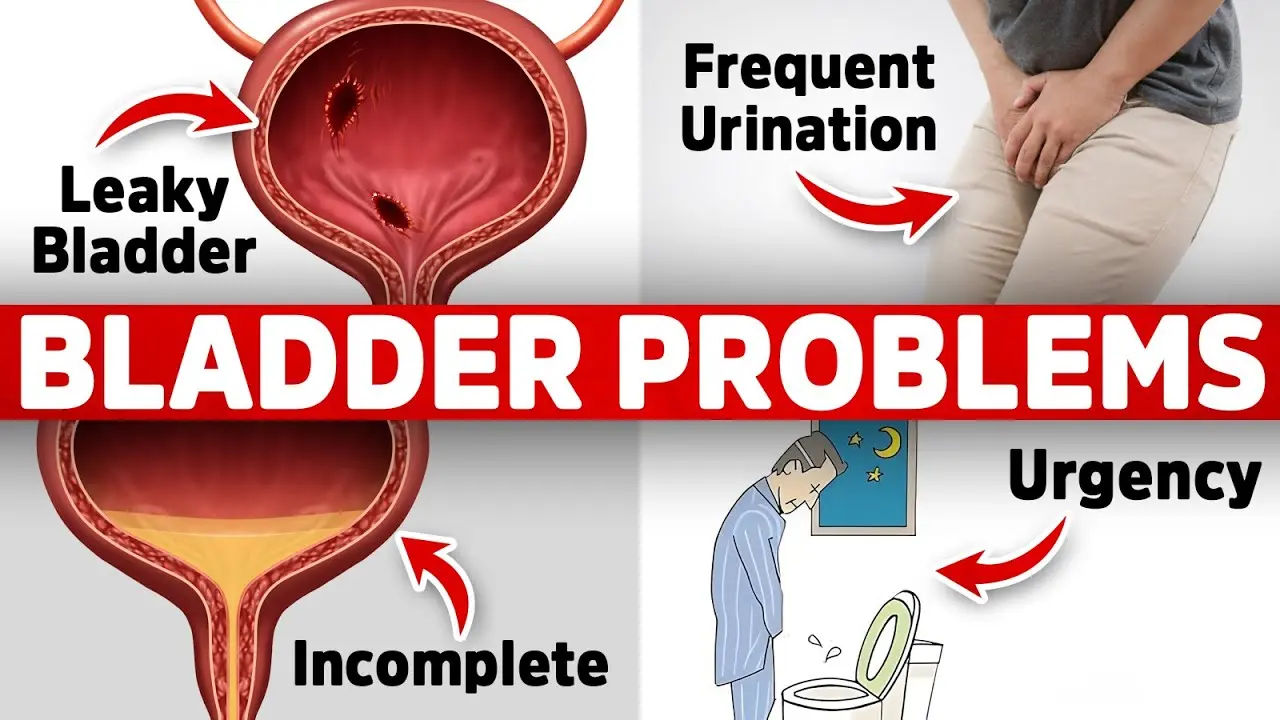
Cancer is the #1 leading cause of death worldwide, causing almost 10 million deaths in 2020 [1]. It’s also the second leading cause of death in the United States, just behind heart disease [2]. Because of its commonality, almost everyone has some connection to the disease. Those who never experienced it firsthand most likely know someone — or multiple people — who did. As a result, there’s a lot of fear surrounding the topic of cancer. Fortunately, a cancer diagnosis today is not the death sentence it used to be. In fact, many cancers have a high chance of a cure if they are diagnosed early and treated properly. Therefore, it’s important to know the warning signs of cancer and to speak to a medical professional if they arise.   A cancer symptom that appears at night Credit: Shutterstock It’s important to note that many cancer symptoms overlap with many other medical conditions. It’s practically a cliche to web-search about a symptom and get cancer-related search results. These symptoms often don’t come from cancer, but it’s worth visiting a medical professional if they don’t go away. Remember, these symptoms should not cause panic; they’re more likely to come from many other conditions. But it’s important to follow up on any persisting health issues, cancer or not. The Lesser-Known Cancer Symptom Credit: Shutterstock Other reasons for night sweats Credit: Shutterstock Remember, if night sweats are caused by cancer, they would be accompanied by other symptoms like fevers and unexplained weight loss. There are many other medical reasons for night sweats. Night sweats could also come from environmental and lifestyle choices. Avoiding these factors could reduce and even cure the problem: Credit: Shutterstock Hyperthyroidism Perimenopause and menopause Hormone and blood flow changes during pregnancy Idiopathic hyperhidrosis is a condition that causes spontaneous and excessive sweating Low blood sugar or hypoglycemia Stress and anxiety Medications like fever reducers, hormone therapies, and antidepressants Drinking alcohol Lack of air-conditioning A thermostat set too high Eating spicy food soon before bed Exercising before bed Drinking hot beverages before bed More cancer symptoms to look out for Credit: Shutterstock Fatigue or lethargy that doesn’t improve with rest Unexplained weight loss or weight gain of 10 pounds or more Unexplained pain that persists or worsens Unexplained bleeding and bruising Changes in the mouth, like sores, numbness, pain, or bleeding Headaches Problems with hearing or seeing Swelling, thickening, or lumps in the neck, breast, or any part of the body Changes on the skin, like a new mole or a noticeable difference with a mole, a sore that doesn’t heal, a bleeding or scaly lump, or jaundice (yellowing of the skin or eyes) A persisting cough or hoarseness Problems with eating, like lack of appetite, abdominal pain, nausea, trouble swallowing, or vomiting Problems with bowels, like persistent diarrhea or constipation, a shift in how bowel movements look, or blood in the stool Bladder issues, like blood in the urine, needing to urinate more or less often, or pain while urinating. When to see your doctor Credit: Shutterstock Bear in mind this is not an exhaustive symptom list. If you notice any drastic changes in how your body works or feels, especially if they persist or worsen over time, talk to your doctor about it. Before your appointment, it may help to list questions or concerns you want to address. If the symptoms are unrelated to cancer, a doctor could still provide proper treatment for them. However, if you think the night sweats or other symptoms may be from a serious medical condition like cancer, ask for tests to check it out. Don’t feel ashamed to ask questions or ask the doctor to explain something more thoroughly. If the doctor doesn’t address your concerns or acts dismissively, you may want a second opinion. Overall, if you suspect your symptoms may be cancer or another serious condition, don’t push off booking an appointment. Early treatment increases the chance of recovery. Additionally, if you have these persisting symptoms, but don’t suspect cancer, seek early treatment anyway. Many health conditions benefit from quick intervention and could worsen without proper treatment.