R.I.P 😭Young woman dies at the hands of her… See more

The world is mourning the loss of a young woman whose life was tragically cut short. The heartbreaking news has left family, friends, and the community in shock as details emerge about the devastating incident. A Life Taken Too Soon The victim, a vibrant and promising young woman, had her whole life ahead of her. Known for her kindness, warmth, and positive spirit, she was loved by those around her. The circumstances of her passing remain deeply painful, as she lost her life at the hands of someone she may have trusted. As tributes pour in on social media, messages of sorrow, disbelief, and love highlight the profound impact she had on others. “I can’t believe you’re gone,” one friend wrote. “You were the light in every room you walked into. Rest in peace.” A Community in Shock The news of her untimely death has sent shockwaves through her community. People are struggling to comprehend how such a tragic event could happen to someone so full of life. Vigils and memorials are being planned in her honor, as loved ones come together to support one another in this difficult time. One family member shared, “She was everything to us. Our hearts are broken. We will never forget her smile, her laughter, and the love she gave so freely.” Seeking Justice Authorities have launched a full investigation into the circumstances surrounding her passing. While details are still emerging, there is a growing demand for justice. Many are hoping that those responsible will be held accountable and that her death will serve as a wake-up call to prevent future tragedies. Advocates are also using this moment to raise awareness about the dangers of domestic violence, toxic relationships, and the importance of seeking help in unsafe situations. Remembering Her Legacy Despite the pain of losing her, those who knew her are determined to keep her memory alive. Stories of her kindness, generosity, and dreams are being shared widely. Many believe that honoring her life means continuing to spread the love and positivity she embodied. Her sudden passing is a painful reminder of how fragile life can be. As her loved ones grieve, they take solace in knowing that she touched so many lives.

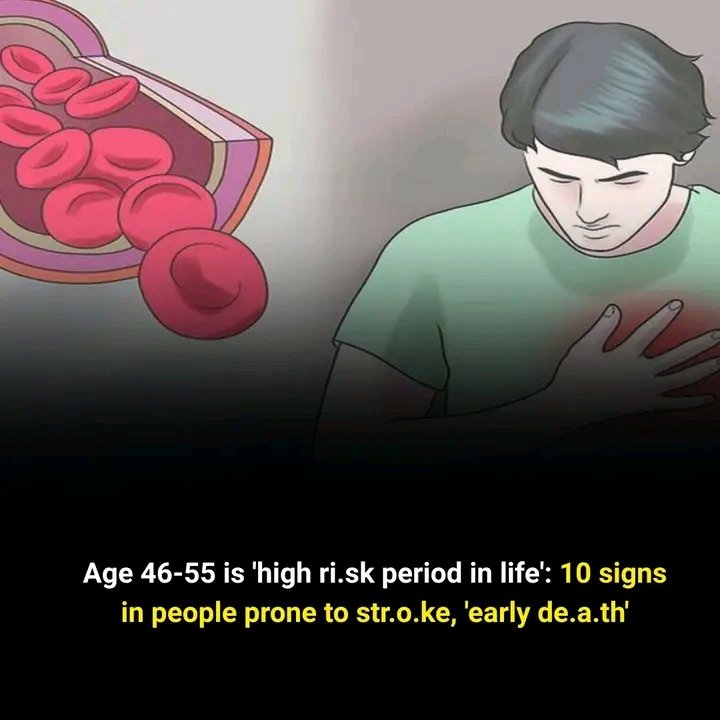
Age 46–55 is dubbed a ‘high‑risk period’ in life: 10 signs in people prone to stroke & early death…..see more….

  The mid‑life window of 46 to 55 years is identified by medical researchers as a critical age range where the risk of cardiovascular events—especially stroke—and premature mortality spikes sharply. During this phase, physiological changes and lifestyle factors converge to make individuals more vulnerable to health breakdowns. Recognizing early warning signs can help people take preventive action and reduce the danger of severe outcomes like stroke or early death. 10 key signs that may indicate heightened stroke & early‑death risk in the 46–55 age group 1. Unexplained chest or heart discomfort – sensations of pressure, squeezing, or pain in the chest that may radiate to the arm, jaw, or back. 2. Sudden shortness of breath – difficulty breathing without physical exertion, often linked to cardiac strain. 3. Frequent high blood pressure readings – persistent hypertension that stresses blood vessels and raises stroke risk. 4. Elevated cholesterol levels – high LDL or low HDL cholesterol contributing to arterial plaque buildup. 5. Irregular heartbeat (arrhythmia) – palpitations or abnormal rhythms that can lead to clots or cardiac events. 6. Unexplained fatigue or weakness – chronic tiredness that may signal poor circulation or metabolic issues. 7. Vision or speech disturbances – transient blurring, double vision, or slurred speech indicating possible mini‑strokes (TIAs). 8. Numbness or tingling on one side of the body – early neurological signs of impaired blood flow to the brain. 9. Lifestyle red flags – smoking, excessive alcohol, inactivity, or high‑stress habits that accelerate vascular damage. 10. Family history of early cardiovascular events – genetic predisposition that amplifies personal risk in this age bracket. What to do if you notice these signs – Seek medical evaluation promptly; a physician can run blood tests, ECG, and risk assessments. – Manage modifiable factors such as diet, exercise, smoking, and stress through targeted lifestyle changes. – Monitor blood pressure & cholesterol regularly and follow prescribed treatments to keep them in safe ranges. – Adopt preventive therapies like aspirin or statins if a doctor recommends them based on individual risk. Understanding that the 46–55 age span is a high‑risk window empowers individuals to watch for these 10 warning signs and act early, potentially averting strokes and premature death.

BREAKING NEWS: IRAN MISSILE ATTACK ON ISRAELI MILITARY BASES – 90% DEVASTATION, NETANYAHU IN PANIC

A dramatic escalation in Middle East tensions erupted yesterday when Iran launched a massive missile strike targeting Israeli military bases and facilities. According to sensational reports, the attack allegedly wiped out 90% of the targeted infrastructure, leaving the Israeli defense system in shambles. The incident has reportedly thrown Israeli Prime Minister Benjamin Netanyahu into a state of panic, sparking widespread speculation about the geopolitical fallout. The attack, depicted in viral imagery showing fiery explosions over Israeli territories and an anguished Netanyahu covering his face, has ignited global media frenzy. Analysts warn that such a devastating assault could shift the regional power balance and trigger retaliatory actions or diplomatic interventions. Official confirmations and casualty details remain scarce, with many outlets labeling the event “breaking” and urging further investigation into the missile capabilities and strategic intentions behind Iran’s alleged offensive. Sources: unverified news circulations dated April 21, 2026.

The 10 Metoprolol Side Effects Your Doctor is PRAYING You Don’t Discover .. Reading continue 👇

Metoprolol is a beta-blocker commonly prescribed for high blood pressure, angina, and certain heart conditions. While it helps manage cardiovascular issues, it can cause side effects that shouldn’t be overlooked. Below is a concise article highlighting ten notable side effects associated with metoprolol, illustrated by the images you provided. 1. Cold extremities – Some patients experience tingling, numbness, or a bluish-red discoloration in hands and feet (as shown in the top‑left image with highlighted fingers). This happens because the drug reduces blood flow to peripheral vessels. 2. Dizziness or headache – Metoprolol can lower blood pressure, leading to feelings of light‑headedness or headaches, often depicted by the spinning‑head illustration in the top‑right image. 3. Fatigue & weakness – Beta‑blockers may cause tiredness or reduced energy levels, making daily activities feel more exhausting. 4. Bradycardia (slow heart rate) – The medication can slow the heartbeat, which may lead to insufficient blood circulation if the rate becomes too low. 5. Breathing difficulties – Some users, especially those with asthma, may notice wheezing or shortness of breath due to bronchial constriction. 6. Gedema (swelling) – Fluid retention, often seen in the lower limbs (like the highlighted ankle in the bottom‑right image), can occur with certain beta‑blockers. 7. Depression or mood changes – Psychological effects such as depressive symptoms or altered mood have been reported in some patients. 8. Gastrointestinal issues – Nausea, diarrhea, or abdominal discomfort can arise during treatment. 9. Interaction with other meds – Combining metoprolol with drugs like amlodipine (shown in the bottom‑left image) may amplify side effects such as edema or hypotension. 10. Masked hypoglycemia – In diabetic patients, metoprolol can hide signs of low blood sugar, making it harder to detect. What to do: If you experience any of these symptoms, consult your healthcare provider. They may adjust the dosage, switch medications, or monitor your condition more closely. Never stop metoprolol abruptly without medical advice, as this can worsen heart conditions. Note: The images suggest a warning to “Don’t Ignore” these effects, emphasizing the importance of awareness and timely medical consultation.

Senator Mark Kelly has accused the Trump administration of diverting $1.25 billion to a “Board of Peace”Reading Continue..

Senator Mark Kelly has accused the Trump administration of diverting $1.25 billion to a “Board of Peace” without congressional approval, prompting him to introduce the PEACE Act to halt the practice. The claim suggests the funds were moved improperly, bypassing legislative oversight. Kelly’s legislation aims to enforce stricter authorization requirements for such financial allocations, ensuring transparency and accountability in government spending. The controversy centers on allegations of unauthorized fund reallocation during the Trump presidency, with Kelly framing the PEACE Act as a measure to prevent executive overreach in budgetary decisions. The “Board of Peace” reportedly received the funds for unspecified purposes, sparking debate over fiscal responsibility and legislative checks on executive actions. The PEACE Act’s introduction reflects broader concerns about governmental transparency and the need for congressional authorization in major financial decisions, highlighting tensions between executive authority and legislative oversight in U.S. politics.

You Have Been Ignoring These Wart Removal Tricks for Years, Doctors Say Some Actually Work But There Is a Catch

That’s part of the problem. They show up quietly—small, rough patches of skin that most people brush off at first. They don’t usually hurt. They don’t demand attention. And because of that, they’re easy to ignore until they start becoming annoying, stubborn, or even embarrassing. By the time most people decide to deal with them, they’re already looking for the fastest way to get rid of them. That’s where home remedies come in. For years, people have relied on simple, natural treatments using everyday ingredients—things already sitting in the kitchen or bathroom cabinet. Some swear by them. Others try them out of frustration when nothing else seems to work. The truth sits somewhere in the middle. Not every method works for everyone. Some are backed by limited evidence. But many people report real results—especially when they stay consistent and patient. Because that’s the first thing to understand. There’s no instant fix. Natural wart removal is slow. Sometimes frustratingly slow. It can take weeks, even months, before visible changes happen. But for those willing to stick with it, these methods can offer a simple, low-cost approach that doesn’t involve harsh procedures. One of the most talked-about remedies is apple cider vinegar. It’s easy to see why. Apple cider vinegar contains acetic acid, which is believed to gradually break down the tissue that forms a wart. It also has mild antiviral properties, which may help target the virus responsible for it. The process is straightforward. A cotton ball is soaked in the vinegar, placed directly on the wart, and secured with a bandage. Left overnight, the solution works slowly, day after day, weakening the wart’s structure. It’s not dramatic. But over time, many people notice the wart shrinking, drying out, and eventually fading. Garlic is another option that often surprises people. Not just for cooking, but for its strong natural properties. Garlic has antiviral, antibacterial, and antifungal effects, making it a powerful—if slightly intense—choice for skin applications. Crushing a fresh clove and applying it directly to the wart can help target the underlying cause. The key is consistency. A few hours a day, repeated over a couple of weeks, is often what’s needed before results begin to show. The smell isn’t pleasant. The sensation can be strong. But for some, it works. Then there’s banana peel—one of the simplest and most unexpected methods. It sounds almost too easy to be taken seriously, but the inner side of a banana peel contains compounds that may help break down wart tissue over time. Rubbing it on the affected area each night and leaving it in place can gradually soften the wart. It’s gentle. Non-irritating. Easy to maintain. And sometimes, that simplicity makes it easier to stay consistent. Tea tree oil offers a more concentrated approach. Known for its antiseptic and antiviral properties, it’s often used for various skin concerns. Applied directly to the wart, it works to dry out the tissue and create an environment that’s less favorable for viral growth. However, this method requires caution. Tea tree oil can irritate the skin if used undiluted. For sensitive areas, mixing it with a carrier oil—like coconut or olive oil—can help reduce irritation while still maintaining its effectiveness. Used twice daily, it can become part of a steady routine. Aloe vera is another gentle option. Best known for soothing burns and skin irritation, it also contains compounds like malic acid, which may help break down wart tissue over time. Fresh aloe gel applied directly to the wart can provide a mild but consistent treatment. It’s especially useful for those with sensitive skin. It doesn’t burn or sting the way stronger remedies might. And for some, that makes all the difference. Then there’s one of the most unusual methods—duct tape. It doesn’t involve acids, oils, or plant extracts. Instead, it works through a process known as occlusion therapy. By covering the wart completely, duct tape cuts off exposure to air, potentially irritating the wart just enough to trigger the body’s immune response. The method requires patience. A small piece of tape is placed over the wart and left on for several days. After removal, the area is soaked and gently exfoliated before repeating the process. It’s not glamorous. But it’s simple—and for some people, surprisingly effective. Across all of these methods, one factor matters more than anything else. Consistency. Trying a remedy once or twice won’t produce results. These approaches rely on repeated application, gradual changes, and the body’s own ability to respond over time. And even then, results vary. Some warts disappear quickly. Others resist treatment for weeks or months. Some may not respond at all, especially if they are larger, deeper, or located in sensitive areas. That’s why awareness is important. Pay attention to how your skin reacts. Mild irritation can be normal, but strong reactions—burning, redness, swelling—are signs to stop and reassess. Avoid picking at the wart. It might seem harmless, but it can spread the virus to other areas of the skin, creating more problems instead of solving the original one. Keep the area clean. Simple hygiene plays a bigger role than most people realize. And perhaps most importantly—know when to seek help. A starting point. A way to take control of a minor issue without jumping immediately to more aggressive solutions. But they require patience. And patience is something many people underestimate. Because in a world built around quick fixes, waiting for gradual results can feel uncomfortable. It can feel like nothing is happening. But often, something is. Quietly. Slowly. Beneath the surface. Warts may seem small, but dealing with them is a reminder of something bigger—that not every problem needs a dramatic solution. Sometimes, consistent, simple actions are enough. Not overnight. Not instantly. But over time. And in many cases, that’s what makes the difference.

10 Common Signs That a Man May Have Been Sexually Abstinent for a Long Time…

10 Common Signs That a Man May Have Been Sexually Abstinent for a Long Time 1. Increased sexual fantasies – thoughts about sex may become more frequent or intense due to lack of physical outlet. 2. Heightened sensitivity to sexual cues – everyday stimuli might trigger strong sexual responses. 3. Emotional tension or irritability – sexual deprivation can contribute to mood swings or stress. 4. Focus on physical intimacy – a stronger desire for touch or closeness that isn’t being satisfied. 5. Changes in sleep patterns – some experience restlessness or altered sleep due to unmet sexual energy. 6. Reduced confidence in sexual performance – anxiety about future sexual encounters may develop. 7. Increased masturbation – some turn to self‑stimulation to manage sexual urges. 8. Social withdrawal – avoidance of situations where sexual expectations exist. 9. Physical symptoms – occasional genital discomfort or hormonal shifts can occur. 10. Psychological preoccupation – thoughts about sex dominate daily mental space, affecting focus. Tips for Managing Prolonged Sexual Abstinence (for adults) – Open communication: Discuss feelings and needs with a trusted partner or therapist. – Healthy outlets: Engage in physical exercise or creative activities to redirect energy. – Medical check‑up: Ensure no underlying health issues are affecting sexual function. – Relationship counseling: Seek professional guidance to address intimacy concerns in partnerships.

Ear Moles or Marks: What They Mean,,see more…

A mole or pigmented spot on the ear, like the one in the image, is usually a benign skin lesion called a nevus. Most ear moles are harmless and have no special medical significance. Key Points About Ear Marks 1. Benign nature: Most ear moles are non-cancerous and simply a concentration of melanocytes (pigment cells). 2. Monitoring: It’s advisable to watch any mole for changes in size, shape, color, or texture, which could indicate atypical growth requiring medical evaluation. 3. Removal: If a mole causes cosmetic concern or irritation (e.g., from rubbing), a dermatologist can remove it safely. 4. Cultural beliefs: Some folklore associates ear features with personality traits or destiny, but these have no scientific basis. When to See a Doctor – The mole becomes asymmetrical, irregular, or grows rapidly. – It starts bleeding, itching, or changing color. – You notice multiple new moles appearing suddenly. In summary, an ear mark like the one shown is typically just a normal skin mole that needs observation for any unusual changes. Consulting a dermatologist is the best step if there’s concern about its appearance or behavior.

What Do You See First? This Optical Illusion Reveals More Than You Think😯😯…see more,,

he meat‑shaped optical illusion that makes you see either a whale or a giraffe has gone viral for its clever play on brain‑hemisphere perception. The image shows a raw slice of meat cut in such a way that the shape resembles an animal head, prompting viewers to interpret it differently depending on which side of the brain they supposedly favor. The Psychology Behind the Illusion The joke claims “right‑brained” people spot a whale while “left‑brained” folks see a giraffe. In reality, the left‑right brain myth oversimplifies how cognition works; both hemispheres cooperate in visual processing. The illusion exploits pareidolia—the brain’s tendency to recognize familiar shapes in random stimuli. By focusing on different contours, viewers can switch between seeing the long‑necked giraffe (emphasizing the upper snout and ear‑like flap) or the bulky whale (highlighting the broader jaw and blubbery texture). How to Flip the Perception 1. Focus on the head shape: Look at the protruding “nose” and imagine a long neck extending downward to see the giraffe. 2. Shift to the overall mass: Envision the thick, rounded jaw and a large body to perceive the whale. 3. Toggle your gaze: Quickly switching attention between the two interpretations trains your brain to notice subtle visual cues. Why It Goes Viral Optical illusions like this spark curiosity and social sharing because they: – Challenge personal perception. – Invite debates about creativity and logic (right vs. left brain). – Provide a fun, meme‑worthy moment that’s easy to caption and remix. Takeaway The meat‑whale/giraffe image is a playful reminder that our brains actively construct what we see, blending reality with expectation. Next time you encounter a tricky visual puzzle, try adjusting your focus or perspective—you might just flip the whole picture in your mind.

Cabbage Wrap: A Natural Remedy for Arthritic Pain….see more…

Arthritis causes bone‑on‑bone friction that leads to inflammation and joint pain, often felt in the knees, feet, or hands. Some people use fresh cabbage leaves as a home remedy to soothe this discomfort. The method involves wrapping chilled cabbage leaves around the affected joint and securing them with a cloth or tape, as shown in the image with cabbage‑wrapped feet. How the cabbage wrap is applied 1. Select & prepare: Choose a fresh green cabbage, remove outer leaves, and wash them. 2. Cool the leaves: Chill the leaves in the refrigerator for 15–30 minutes to enhance their soothing effect. 3. Wrap the joint: Place the leaves directly on the painful area (e.g., knee or foot). 4. Secure: Bind the leaves with a soft cloth or medical tape. 5. Duration: Keep the wrap on for 1–2 hours or overnight, then replace with fresh leaves. Why cabbage might help – Anti‑inflammatory compounds: Cabbage contains glucosinolates and vitamin C, which have mild anti‑inflammatory properties. – Cooling effect: The cold temperature reduces swelling and numbs the pain temporarily. – Moisture: The leaf’s natural juice may moisturize the skin and provide a comforting sensation. Important considerations – Medical advice: Cabbage wraps are a complementary therapy; they do not replace professional medical treatment for arthritis. Consult a healthcare provider for proper diagnosis and medication. – Allergies: Test a small skin area first to avoid any allergic reaction to the leaf. – Hygiene: Use clean leaves and fresh wraps to prevent infection. Bottom line Wrapping joints with cabbage leaves is an old‑fashioned home remedy that some people find helpful for temporary relief of arthritic pain. It works mainly through a cooling, anti‑inflammatory effect, but it should be used alongside proper medical care and lifestyle adjustments for managing arthritis effectively.