Why are some window bars curved at the bottom,,reading continue>
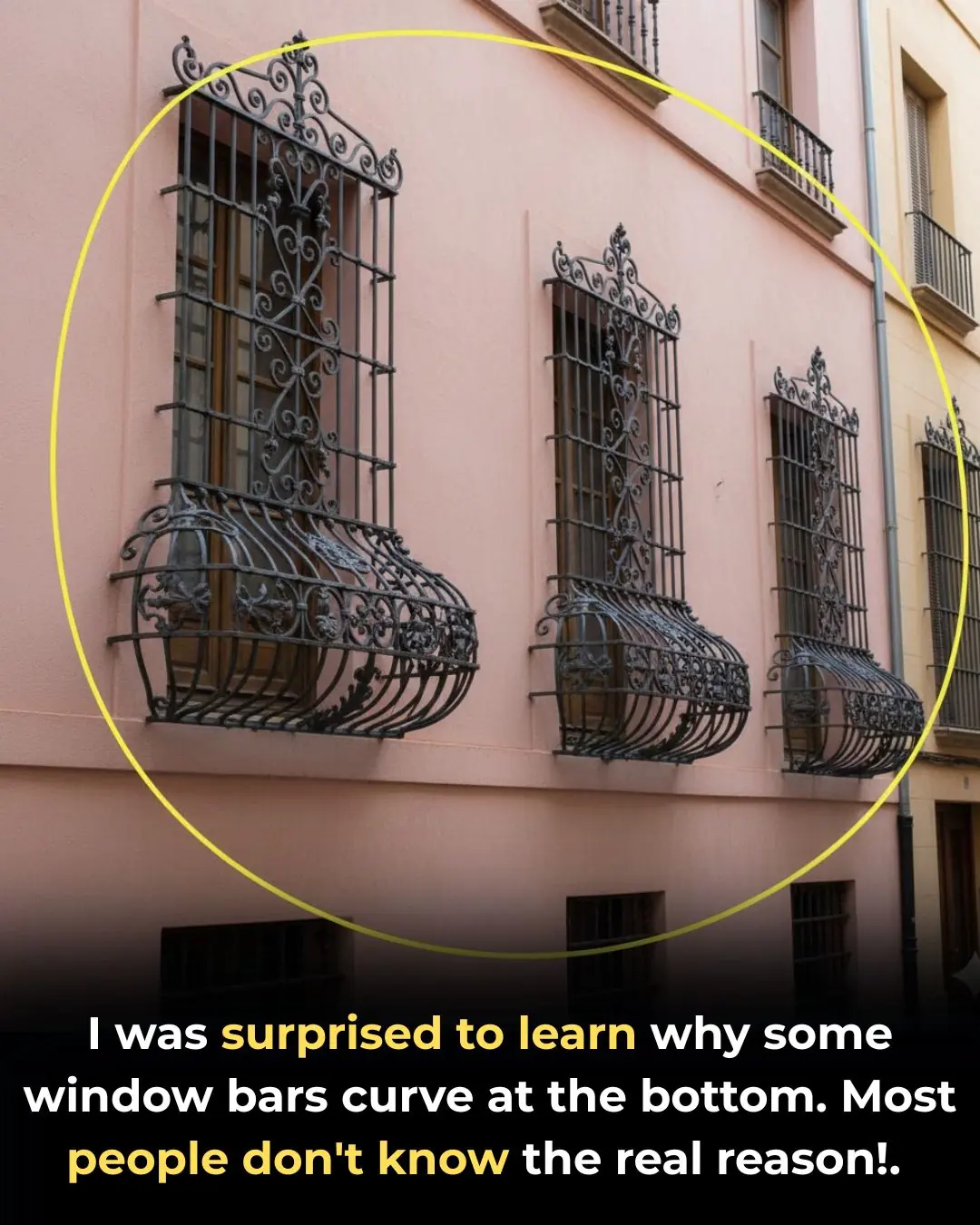
Why Some Window Bars Have a “Potbelly” — And What Those Curves Are Really For Have you ever walked past a building and noticed window bars that seem to bulge outward, creating a small curved pocket or “potbelly”? At first glance, you might assume the curves are just decorative flourishes — a stylistic touch added by the builder. But those protruding window bars actually serve several clever and practical purposes. In this article, we’ll explore why some window grills bend outward, what those potbellies are used for, and how these charming curves combine both beauty and security. What Are Window Bars Used For? Window bars, often called security bars or grilles, have been used across cultures for hundreds of years. Their primary function has always been the same: to reinforce windows and protect buildings from intruders. By adding a physical barrier, they make it much harder for someone to break in through the window — one of the most common entry points for burglars. Over time, however, window bar designs have evolved beyond straightforward vertical and horizontal lines. In many places, architects and homeowners began adding graceful curves. This raised a natural question: Why do some window grills have curves? That brings us to the unique feature known as the potbelly. The Unique Feature: What Is a Potbelly? Not all security bars are flat and rigid. Potbelly bars include a rounded outward bulge in the middle section, giving the window bars a fuller, more three-dimensional look. This curve isn’t just decorative. The design adds extra functionality, expands the usable space around the window, and offers flexibility in how the window area is used — especially in urban environments where every inch counts. Let’s dive into the practical and aesthetic advantages. Aesthetic and Practical Uses of Potbelly Bars 1. Perfect for Holding Flower Boxes One of the most common — and charming — uses of potbelly bars is as a built-in holder for flower boxes. The outward curve provides a natural ledge or pocket where homeowners can place planters filled with colorful flowers, herbs, or small decorative plants. The potbelly helps secure the box and keeps it from tipping outward. Picture a row of windows, each decorated with hanging blooms — bright geraniums, trailing ivy, or fragrant lavender. These flourishes instantly soften the look of a building and bring life to streets where outdoor space is limited. In many older European and Asian cities, window bars with potbellies became a beloved architectural feature for this very reason. 2. Making Room for Air Conditioning Units Another extremely practical reason for curved grills is their ability to accommodate window-mounted air conditioning units. In apartments or older homes where central AC isn’t available, window units are often installed directly through the window opening. A flat security bar would make this difficult, if not impossible. But a potbelly bar creates extra clearance. This allows: Proper positioning of the AC unit Enough space for ventilation and airflow Secure installation without removing security features It’s a smart way to maintain both comfort and protection — and one of the clearest answers to why many window grills curve outward: they make windows more functional without sacrificing security. Where to Find Window Bars With Potbellies If you’re considering this style for your own home, you’ll find that potbelly window bars are available in many places: Local hardware stores Home improvement centers Metalworking shops that offer custom designs Online retailers specializing in home security solutions The online marketplace is especially useful, since you can browse dozens of styles, compare materials, read customer reviews, and even order custom sizes to match unusual window dimensions. Whether you prefer traditional wrought iron or modern steel, you’ll find options that suit your home’s architecture. How to Choose the Right Window Bars When selecting window bars, keep these points in mind: Material matters: Choose sturdy metals like wrought iron or heavy steel for maximum strength. Design should match your home: Look for bars that blend with your building’s style — simple, ornate, modern, or vintage. Consider your purpose: Are you buying bars mainly for security, decoration, or functional extras like AC support or flower box space? Measure carefully: Proper sizing ensures both safety and aesthetic harmony. A thoughtfully chosen set of potbelly bars can improve both curb appeal and peace of mind. Don’t Forget Proper Installation and Additional Security Measures Even the strongest window bars won’t do their job if they’re poorly installed.If you’re unsure about mounting them yourself, it’s best to hire a professional or follow manufacturer guidelines closely. Also remember: Window bars are only one part of a complete security system. For maximum protection, pair them with: Reinforced doors Motion-activated lighting High-quality locks A home alarm system Together, these layers create a safer and more secure living environment. The Beauty and Function of Potbelly Window Bars Window bars with potbellies show that security doesn’t have to be dull or restrictive. Their thoughtful design: Enhances safety Makes windows more versatile Supports plants and flower boxes Allows space for bulky AC units Adds visual charm to the building exterior


Woman stabbed her husband to death after finding out he abused his…See more

The horrifying discovery came late one night, when Maria, 33, found disturbing messages and hidden footage on her husband’s phone. The man she had trusted for years, shared a home with, and built a life with—had a side she never imagined. At first, Maria thought it was a mistake. A misunderstanding. But the more she looked, the clearer it became. Her heart raced. Her hands trembled. The child—her niece—had often stayed at their home. She remembered the little girl once waking up crying, but dismissing it as a nightmare. Maria confronted him. He denied it, then got aggressive. That’s when something in her snapped. Rage. Betrayal. Grief. A scream pierced the quiet night as she grabbed the nearest kitchen knife. By the time police arrived, it was too late. He lay lifeless, and Maria sat on the floor, covered in blood, rocking back and forth, repeating, “She’s just a child. She’s just a child…”READ MORE BELOW

The Truth About Malia Obama’s Los Angeles Appearance…See More>

Her decision isn’t about rejecting her family’s legacy, but rather about finding her own space in an industry where names often carry expectations. By using her middle name, Malia hopes audiences will focus on her talent, not her background. It’s a thoughtful and mature step toward independence — a way of showing that she wants her work to speak for itself. Malia Ann has already earned respect within Hollywood circles. She worked as a writer on Donald Glover’s series Swarm and has been developing her own independent projects that explore themes of identity, love, and self-discovery. Her creative voice reflects a quiet confidence and a genuine passion for storytelling. While the Obama name will always remain part of who she is, Malia Ann’s choice highlights her courage to step beyond it — to be seen not just as a former First Daughter, but as an artist in her own right. Her journey is a reminder that even those born in the public eye must sometimes redefine themselves to discover who they truly are.

Woman Suffers Sudden Kidney Failure After Dinner: Doctor Warns, “This Vegetable Can Be Tox.ic – Stop Eating It!”

Woman Suffers Sudden Kidney Failure After Dinner: Doctor Warns, “This Vegetable Can Be Tox.ic – Stop Eating It!” It started like any ordinary evening. After dinner, a woman began feeling unusually unwell—nausea, fatigue, and a strange pressure in her body that didn’t go away. Within hours, her condition worsened dramatically. By the time she reached the hospital, doctors confirmed something shocking: acute kidney failure. The image of a patient lying in a clinical setting, connected to lifesaving equipment, is a reminder that sometimes a health crisis can appear suddenly—especially when the kidneys are overwhelmed by toxins, dehydration, or a hidden medical condition. While many people assume kidney problems develop slowly, doctors say that acute kidney injury (AKI) can happen fast, even after one meal, if the body is exposed to certain triggers . Why the Kidneys Are So Vulnerable Your kidneys are your body’s natural filter system. Every day, they: remove waste products from the blood balance electrolytes like sodium and potassium regulate fluid levels help control blood pressure When something toxic enters the body—or when the body becomes severely dehydrated—the kidneys can suddenly struggle to function. In severe cases, waste builds up quickly, causing symptoms that can become life-threatening if not treated immediately. How Food Can Trigger Sudden Kidney Failure Most vegetables are healthy. However, certain plants can become dangerous under specific conditions, such as: being eaten raw instead of cooked being consumed in excessive amounts being contaminated with pesticides or bacteria containing naturally occurring toxins being unsafe for people with existing kidney disease Doctors warn that for people with weak kidneys—or those unknowingly living with kidney problems—some “ordinary” foods can have unexpected consequences. The “Toxic Vegetable” Warning: What Could It Mean? Medical experts explain that several foods sometimes labeled as “toxic” online are dangerous only in certain situations. Here are examples of plant-based foods that can harm the kidneys when consumed improperly: 1. Raw or Undercooked Beans Some beans—especially kidney beans—contain phytohaemagglutinin, a natural toxin that may cause severe stomach issues. In extreme situations, vomiting and dehydration can stress the kidneys. 2. Cassava (if not prepared correctly) Cassava can contain compounds that release cyanide if not properly soaked and cooked. Long-term or heavy exposure may put stress on multiple organs, including kidneys. 3. Star Fruit (especially for people with kidney disease) Star fruit contains neurotoxins that can be dangerous for people with kidney failure or weakened kidneys, sometimes triggering serious complications. 4. Certain Wild Herbs or Unknown Plants Some people collect wild vegetables without knowing what they are. Toxic plant ingestion can quickly overwhelm the kidneys. Important note: The “toxic vegetable” in the headline could refer to any of these risks, especially if someone already has kidney vulnerability. Red Flags After Eating: When to Seek Help Immediately Doctors say people should never ignore symptoms such as: sudden nausea and vomiting severe fatigue or weakness decreased urination swelling in face, hands, or legs confusion or dizziness intense abdominal pain These may signal dehydration, infection, or toxin-related kidney strain—and require urgent evaluation. Who Is Most at Risk? Acute kidney failure is more likely in people who have: diabetes or high blood pressure chronic kidney disease (even mild) dehydration from heat or illness frequent use of painkillers (NSAIDs like ibuprofen) older age weakened immune systems Even healthy people can be affected if the food is contaminated or if severe dehydration follows. How to Protect Your Kidneys From Food-Related Risks Doctors recommend simple prevention steps: Wash vegetables thoroughly to reduce pesticide residue and bacteria. Cook beans and high-risk foods properly—never eat them undercooked. Avoid unknown wild plants unless confirmed safe. Stay hydrated, especially after salty or heavy meals. If you have kidney disease, ask your doctor about foods you should limit. Final Thought: Don’t Panic—But Don’t Ignore Warnings Not every meal leads to danger, and most vegetables are part of a healthy diet. But this case highlights an important truth: your kidneys can be affected quickly if exposed to toxins, dehydration, or unsafe food preparation. When symptoms feel unusual or severe, especially after eating, it’s safer to seek medical help early rather than waiting.

The Digital Virus: How One Viral Headline Can Destroy Your Reputation and Manipulate Your Reality

In the blink of an eye, your reputation—built over a lifetime of hard work and integrity—can be incinerated by a single, malicious fragment of a sentence. It starts as a whisper on social media, a vague and hauntingly incomplete headline that triggers a tidal wave of instant, collective outrage. Within minutes, thousands of strangers are passing judgment on a version of you that doesn’t actually exist, fueled by an insatiable need to be the first to share the “news.” You are the victim of a modern digital lynching, and by the time the truth finally surfaces, the damage to your life is permanent.Defamation legal services We are currently trapped in a high-velocity digital ecosystem where headlines travel with far more speed than facts ever could. In this environment, a solitary phrase, particularly when it is stripped of its necessary context, can propagate across the global social media network in seconds. This hyper-speed propagation does more than just inform; it actively shapes, twists, and molds public opinion long before a full, accurate story can ever be understood. It is a terrifying reality where the lightning-fast pace of digital connection frequently comes at the cost of human nuance, and where the insatiable hunger for attention almost always triumphs over the slow, boring necessity of accuracy. The most dangerous element of this digital landscape is the immediate, instinctive emotional reaction it provokes. Human beings are hardwired to respond to urgency and shock, and the internet exploits this biological vulnerability with surgical precision. When we see a headline that feels alarming, we rarely pause to consider the source, verify the details, or look for alternative viewpoints. Instead, we react instinctively, hitting the “share” button, typing out blistering comments, and further amplifying narratives that have yet to be verified or even fully explained. We become unwitting participants in a cycle of outrage that values the feeling of discovery over the reality of the situation. Vague or intentionally ambiguous headlines are the primary tools of this trade. They are designed to be “click-magnets,” inviting us to fill in the dark, gaping voids of information with our own worst assumptions rather than confirmed data. This speculation is where the real damage is done. A situation that may be entirely benign or deeply nuanced is flattened into a one-dimensional, villainous caricature. When we view the world through these fragmented lenses, we lose the ability to see the complexity of the human experience. We aren’t reading news; we are consuming snippets of digital propaganda that are curated specifically to make us angry, anxious, or judgmental. As content migrates from one platform to another—from a tweet to a screen-grabbed post to a sensationalized video—it is repeatedly simplified. Complex, multifaceted situations are reduced to single, sharp-edged sentences. Context is sacrificed for brevity, and humanity is sacrificed for shareability. What remains is a hollowed-out husk of a story that is incredibly easy to consume but fundamentally deceptive. This “simplified” narrative is rarely fair to the individuals involved, yet it persists because it is easier to believe a lie that fits our worldview than to engage with a truth that challenges it This toxic cycle is relentlessly reinforced by algorithmic structures that prioritize engagement above all else. Content that succeeds in provoking curiosity, triggering fear, or inciting raw outrage is prioritized by the systems that control our digital feeds. The algorithm does not care if a post is truthful; it cares only that you stop scrolling long enough to look. Over time, this creates a digital environment where the velocity of information is vastly more valuable than the depth of the insight. We are building a society that prioritizes the “now” over the “why,” and in doing so, we are losing our collective ability to discern the difference between a legitimate alert and a manufactured panic. Navigating this treacherous landscape requires a radical, conscious commitment to patience and critical thinking. It is an act of defiance to refuse to share a post simply because it made you feel a sudden surge of emotion. Before you hit that button, take a breath. Look beyond the sensationalist headline. Seek out the source, look for missing context, and wait for the dust to settle before forming an opinion. In a world that is constantly screaming for your immediate reaction, the most radical and valuable habit you can develop is the ability to slow down. When you see a “breaking news” alert about a scandal, a crime, or a controversy, remind yourself that what you are likely looking at is a fragment of a much larger, more complicated picture. Ask yourself: “Who benefits from me sharing this? Is this story missing the perspective of the people involved? Am I being manipulated by someone’s need for clicks?” These questions are the antidotes to the digital virus that is currently eroding our shared reality. Truth is rarely found in the loudest voice in the room, and it is almost never found in the first headline you read on a Tuesday morning. It takes work to find the truth, and it takes discipline to sit with uncertainty rather than jumping to a conclusion that makes us feel righteous. As information continues to spread at the speed of light, the act of slowing down, verifying sources, and questioning narratives will be the only thing that preserves our ability to understand each other. Don’t be the person who fuels the fire of a digital mob. Be the person who stops to ask, “Is this the full story?” Your skepticism is the greatest tool you have against a world that wants to keep you in a state of perpetual, reactionary confusion. Stay smart, stay skeptical, and never let a headline decide who you are or what you believe until you have seen the whole picture.

Did you know that drinking water on an empty stomach could be…

Starting your day with a glass of water is one of the simplest health habits—and one of the most often recommended. But is drinking water on an empty stomach truly special, or is it just another wellness trend? Let’s break down what science really says. Why Water Matters Water makes up about 60% of your body and is essential for countless vital functions: Transporting nutrients through your bloodstream Regulating body temperature Supporting digestion Lubricating joints for smooth movement Removing waste through urine and sweat Because we constantly lose water through breathing, sweating, and waste elimination, replenishing it regularly is crucial for maintaining balance. Why Morning Hydration Helps After 6–9 hours of sleep, your body is naturally dehydrated. You haven’t consumed fluids overnight, yet your body continues to lose water through breathing and perspiration. Drinking water first thing in the morning replenishes lost fluids—a simple but effective reason to make it a habit. What Drinking Water on an Empty Stomach Actually Does ❌ It Doesn’t “Detox” Your BodyYour liver and kidneys handle detoxification naturally. Water supports them but doesn’t magically flush out toxins. ❌ Timing Isn’t MagicalWhile morning hydration is helpful, drinking water anytime during the day provides the same essential benefits. Total daily intake matters more than timing. ❌ It Won’t Cure DiseaseWater is vital for health, but it isn’t a treatment. It supports your body’s functions but doesn’t replace medical care. How Much Water Should You Drink? The classic “8 glasses a day” rule is a decent starting point, but your needs vary depending on: Body size Activity level Climate Overall health A better approach: drink when you’re thirsty and aim for pale yellow urine as a hydration guide. Tips for Making Morning Hydration a Habit Keep water by your bedside – so it’s ready when you wake up Drink before coffee – make water your first beverage Add natural flavor – lemon, cucumber, or herbs make it more enjoyable Start with room temperature – easier on an empty stomach Set a reminder – until it becomes automatic Who Should Be Cautious? For most people, morning water is safe and beneficial. Exceptions include: Kidney issues requiring fluid restriction Heart failure or conditions requiring careful fluid management Medications affecting fluid balance – stay consistent with your doctor’s guidance The Bottom Line Drinking water first thing in the morning is a simple, free habit that sets a healthy tone for the day. While it doesn’t magically detoxify you or boost metabolism dramatically, it ensures your body is rehydrated and ready to function at its best. Remember, the key is enough water throughout the day, not just one glass in the morning.

Did you know that waking up at 3 or 4 in the morning is a clear sign of…See more

The Spiritual Meaning Of Waking Up At 1AM, 2AM, 3AM, 4AM, And 5AM The human body contains 14 main meridians, with 12 of them aligned with a 24-hour internal clock. Each meridian becomes dominant for a two-hour window daily, influencing specific body functions, emotions, and internal experiences. This ancient concept, rooted in traditional Chinese medicine, helps explain patterns in sleep and energy throughout the day. Waking up at the same time each night may be more than just a coincidence. It could point to an imbalance or disruption in a specific meridian. These disruptions can manifest physically, emotionally, or even spiritually. Notably, frequently waking between 3:00 and 5:00 a.m. is often associated with spiritual awakening—especially if no medical condition explains it. For instance, waking up at 1:00 a.m. may signal circulation or gallbladder problems. On a mental level, it can reflect unresolved worry or resentment. Spiritually, it suggests a person may be giving away too much of their energy without taking time to replenish it, often relying too heavily on external validation. Though not all meridian-related disturbances are spiritual, many blend physical, mental, and emotional causes. The patterns can serve as useful signals—offering insight into which aspects of health or life might need attention or healing. Understanding this rhythm can help bring awareness to areas of imbalance or internal conflict. In conclusion, paying attention to your waking times at night may provide valuable clues about your physical and emotional health. Using the meridian clock as a guide, one can explore deeper layers of wellness, energy balance, and spiritual growth.

The Midnight Arrival, Why This Father and Daughters Chilling Appearance at a Luxury Resort Sparked a Massive Security Alert

In the high-stakes world of elite hospitality, where every guest is scrutinized for both comfort and safety, a single late-night interaction can set off a chain reaction of alarm. This was the case recently in the heart of a bustling downtown district, where a premier luxury resort became the center of a tense standoff between vigilance and reality. What began as a routine check-in shortly after midnight escalated into a high-priority situation that drew the immediate attention of hotel management and security teams. However, beneath the surface of the “suspicious” behavior was a raw, human story of endurance, the crushing weight of modern sports culture, and the silent exhaustion of a family pushed to their physical and emotional limits. The incident unfolded on a Friday night, during that quiet, transitional period when a hotel lobby’s warm chandeliers illuminate a space that is usually a sanctuary for weary travelers. But when a middle-aged man and his teenage daughter stepped through the glass doors, the atmosphere in the room shifted instantly. To the trained eyes of the evening shift staff, something about the pair was deeply unsettling. They didn’t move with the relaxed cadence of vacationers or the professional detachment of business travelers. Instead, they moved with a frantic, jittery urgency that immediately triggered “red flag” protocols. The father was hunched over, his face etched with deep lines of fatigue that, under the harsh lobby lights, looked more like desperation. He clutched his phone with white-knuckled intensity, glancing at it every few seconds as if waiting for a life-altering message. Beside him, his teenage daughter was nearly unrecognizable as a guest at a high-end resort. Her eyes were glazed, her hair disheveled, and she seemed to be swaying slightly as she stood at the front desk. They carried only the bare essentials: a weathered duffel bag and a heavy sports bag that looked as though it had seen years of battle. The total absence of traditional luggage for a downtown stay, combined with their disoriented state, led staff to believe they were witnessing something far more sinister than a simple arrival. “We are trained to look for signs of distress, for people who aren’t where they should be, or for situations that don’t fit the narrative of a standard guest,” explained one front desk supervisor. “The father’s anxiety was palpable. He was sweating despite the air conditioning, and the girl wouldn’t look any of us in the eye. In the moment, our minds went to the worst-case scenarios. We didn’t want to assume anything, but we couldn’t ignore the sense of emergency radiating from them.” As the father fumbled with his credit card, security began to quietly monitor their movements on the high-definition surveillance feeds. The tension reached a breaking point when the man struggled to remember his own zip code, a common sign of extreme stress or cognitive impairment. For several minutes, the lobby felt like the set of a thriller, with staff communicating through silent glances and coded messages. The “urgent” nature of their check-in, coupled with their disheveled appearance, suggested a flight from danger or a medical crisis in progress. However, as the supervisor stepped in to conduct a more thorough inquiry, the terrifying facade began to crumble, revealing a far more mundane but equally grueling reality. The “anxiety” on the father’s face wasn’t fear; it was the total physical collapse of a parent who had just driven twelve hours straight through mountain passes and highway traffic. The “frequent glances” at his phone weren’t for clandestine messages, but for a GPS that had repeatedly failed them on the backroads of the state. The teenage daughter, who had looked so “distressed” to the staff, was actually a high-level competitive athlete who had just completed a four-day national sports tournament. She wasn’t swaying from fear; she was swaying because her muscles were in a state of near-total fatigue after playing six high-intensity matches in ninety-degree heat. The “urgent” check-in was the result of a father trying to get his exhausted child into a bed before she collapsed on the marble floor of the lobby. The bags they carried contained the equipment and uniforms of a weekend spent on the field—a weekend that had pushed both of them to the brink of their endurance. This incident serves as a profound reminder of the “mask of exhaustion” and how easily it can be mistaken for something more alarming in our hyper-vigilant society. In an era where we are taught to “see something, say something,” the line between being a responsible employee and making a premature judgment is incredibly thin. The resort’s staff acted with the best intentions, prioritizing the safety of their guests and the potential well-being of the girl. Yet, the revelation of the truth highlighted the invisible labor and the grueling schedules that define the lives of modern youth athletes and their dedicated parents. The “sports tournament” phenomenon has created a subculture of travelers who exist in a permanent state of transit and fatigue. These families often arrive at hotels in the early hours of the morning, their cars filled with gear and their bodies aching from days of physical exertion. To a bystander, they may look like people in crisis, but in reality, they are people in a state of “tournament brain”—a focused, exhausted tunnel vision where the only goal is the next meal and the next bed. Once the misunderstanding was cleared, the hotel staff’s demeanor shifted from suspicion to deep empathy. The father, realizing how his appearance must have looked to the staff, offered a tired laugh, explaining that they had come straight from the closing ceremonies and hadn’t stopped for anything other than gas. The “distress” was simply the result of a grueling schedule and the adrenaline crash that follows a major competition. The resort eventually upgraded the pair to a quieter suite, recognizing that what they needed more than anything was the restorative power of a good night’s sleep. The incident, while momentarily tense, ultimately … Read more

VERY, VERY SAD NEWS: 25 minutes…see more>

Just 25 minutes ago, Sadie Robertson Huff, granddaughter of Duck Dynasty stars Phil and Kay Robertson, shared a heartbreaking update on social media. Posting from West Monroe, Louisiana, Sadie revealed that her beloved grandmother, Kay Robertson, is in serious physical and emotional decline. The distressing turn follows the recent death of Kay’s husband, Phil Robertson, the patriarch of the Robertson family. According to Sadie, the loss has triggered a deep emotional breakdown in Miss Kay, leaving her devastated and frail. “She’s not doing well,” Sadie wrote. “Our sweet Kay is heartbroken, and it’s showing in her body now. Please, we need your prayers more than ever.” Fans, friends, and loved ones of the family have responded with an outpouring of love and support. Known as the nurturing heart of the Robertson clan, Miss Kay has long been admired for her gentle spirit, faith, and unwavering devotion to her family. The news has cast a somber tone across the extended Duck Dynasty community, as many recall the warmth and strength Miss Kay brought to their television screens and beyond. Phil and Kay Robertson were married for over 50 years, their love story a central theme of the show. Kay’s heartbreak is a deeply felt reminder of the enduring pain of loss, especially after a lifetime spent together.

If when you make love, your partner DOESN’T KISS YOU it’s because…See more

Intimacy is a vital aspect of any romantic relationship, and kissing plays a significant role in that connection. It’s no wonder that when a partner stops kissing during lovemaking, it can raise concerns and stir a whirlwind of emotions. If you find yourself wondering, “Why does my husband not want to kiss me anymore?” know that you are not alone. Many women experience this change and are left feeling confused, hurt, and sometimes even rejected. This article aims to explore the possible reasons behind this shift and offer practical suggestions to help reignite that spark. I often receive emails from women who are struggling with this very issue. Recently, a woman named Vera reached out to me describing her situation. She wrote, “I hope you can help me. My husband and I have always shared a deep and passionate connection. When we first got married, we couldn’t keep our hands off each other, and kissing was a huge part of our intimacy. We would spend hours just making out, and it always made our lovemaking feel so special and connected. But over the past year, I’ve noticed a change. It started subtly, with fewer spontaneous kisses throughout the day, and now it’s reached a point where he doesn’t kiss me at all when we make love. It’s like he’s avoiding my lips on purpose. I’ve tried to ignore it, thinking it might just be a phase, but it’s beg inning to affect how I feel about our entire relationship. Read more below