Did you know that drinking water on an empty stomach could be…

Starting your day with a glass of water is one of the simplest health habits—and one of the most often recommended. But is drinking water on an empty stomach truly special, or is it just another wellness trend? Let’s break down what science really says. Why Water Matters Water makes up about 60% of your body and is essential for countless vital functions: Transporting nutrients through your bloodstream Regulating body temperature Supporting digestion Lubricating joints for smooth movement Removing waste through urine and sweat Because we constantly lose water through breathing, sweating, and waste elimination, replenishing it regularly is crucial for maintaining balance. Why Morning Hydration Helps After 6–9 hours of sleep, your body is naturally dehydrated. You haven’t consumed fluids overnight, yet your body continues to lose water through breathing and perspiration. Drinking water first thing in the morning replenishes lost fluids—a simple but effective reason to make it a habit. What Drinking Water on an Empty Stomach Actually Does ❌ It Doesn’t “Detox” Your BodyYour liver and kidneys handle detoxification naturally. Water supports them but doesn’t magically flush out toxins. ❌ Timing Isn’t MagicalWhile morning hydration is helpful, drinking water anytime during the day provides the same essential benefits. Total daily intake matters more than timing. ❌ It Won’t Cure DiseaseWater is vital for health, but it isn’t a treatment. It supports your body’s functions but doesn’t replace medical care. How Much Water Should You Drink? The classic “8 glasses a day” rule is a decent starting point, but your needs vary depending on: Body size Activity level Climate Overall health A better approach: drink when you’re thirsty and aim for pale yellow urine as a hydration guide. Tips for Making Morning Hydration a Habit Keep water by your bedside – so it’s ready when you wake up Drink before coffee – make water your first beverage Add natural flavor – lemon, cucumber, or herbs make it more enjoyable Start with room temperature – easier on an empty stomach Set a reminder – until it becomes automatic Who Should Be Cautious? For most people, morning water is safe and beneficial. Exceptions include: Kidney issues requiring fluid restriction Heart failure or conditions requiring careful fluid management Medications affecting fluid balance – stay consistent with your doctor’s guidance The Bottom Line Drinking water first thing in the morning is a simple, free habit that sets a healthy tone for the day. While it doesn’t magically detoxify you or boost metabolism dramatically, it ensures your body is rehydrated and ready to function at its best. Remember, the key is enough water throughout the day, not just one glass in the morning.

Did you know that waking up at 3 or 4 in the morning is a clear sign of…See more

The Spiritual Meaning Of Waking Up At 1AM, 2AM, 3AM, 4AM, And 5AM The human body contains 14 main meridians, with 12 of them aligned with a 24-hour internal clock. Each meridian becomes dominant for a two-hour window daily, influencing specific body functions, emotions, and internal experiences. This ancient concept, rooted in traditional Chinese medicine, helps explain patterns in sleep and energy throughout the day. Waking up at the same time each night may be more than just a coincidence. It could point to an imbalance or disruption in a specific meridian. These disruptions can manifest physically, emotionally, or even spiritually. Notably, frequently waking between 3:00 and 5:00 a.m. is often associated with spiritual awakening—especially if no medical condition explains it. For instance, waking up at 1:00 a.m. may signal circulation or gallbladder problems. On a mental level, it can reflect unresolved worry or resentment. Spiritually, it suggests a person may be giving away too much of their energy without taking time to replenish it, often relying too heavily on external validation. Though not all meridian-related disturbances are spiritual, many blend physical, mental, and emotional causes. The patterns can serve as useful signals—offering insight into which aspects of health or life might need attention or healing. Understanding this rhythm can help bring awareness to areas of imbalance or internal conflict. In conclusion, paying attention to your waking times at night may provide valuable clues about your physical and emotional health. Using the meridian clock as a guide, one can explore deeper layers of wellness, energy balance, and spiritual growth.

The Midnight Arrival, Why This Father and Daughters Chilling Appearance at a Luxury Resort Sparked a Massive Security Alert

In the high-stakes world of elite hospitality, where every guest is scrutinized for both comfort and safety, a single late-night interaction can set off a chain reaction of alarm. This was the case recently in the heart of a bustling downtown district, where a premier luxury resort became the center of a tense standoff between vigilance and reality. What began as a routine check-in shortly after midnight escalated into a high-priority situation that drew the immediate attention of hotel management and security teams. However, beneath the surface of the “suspicious” behavior was a raw, human story of endurance, the crushing weight of modern sports culture, and the silent exhaustion of a family pushed to their physical and emotional limits. The incident unfolded on a Friday night, during that quiet, transitional period when a hotel lobby’s warm chandeliers illuminate a space that is usually a sanctuary for weary travelers. But when a middle-aged man and his teenage daughter stepped through the glass doors, the atmosphere in the room shifted instantly. To the trained eyes of the evening shift staff, something about the pair was deeply unsettling. They didn’t move with the relaxed cadence of vacationers or the professional detachment of business travelers. Instead, they moved with a frantic, jittery urgency that immediately triggered “red flag” protocols. The father was hunched over, his face etched with deep lines of fatigue that, under the harsh lobby lights, looked more like desperation. He clutched his phone with white-knuckled intensity, glancing at it every few seconds as if waiting for a life-altering message. Beside him, his teenage daughter was nearly unrecognizable as a guest at a high-end resort. Her eyes were glazed, her hair disheveled, and she seemed to be swaying slightly as she stood at the front desk. They carried only the bare essentials: a weathered duffel bag and a heavy sports bag that looked as though it had seen years of battle. The total absence of traditional luggage for a downtown stay, combined with their disoriented state, led staff to believe they were witnessing something far more sinister than a simple arrival. “We are trained to look for signs of distress, for people who aren’t where they should be, or for situations that don’t fit the narrative of a standard guest,” explained one front desk supervisor. “The father’s anxiety was palpable. He was sweating despite the air conditioning, and the girl wouldn’t look any of us in the eye. In the moment, our minds went to the worst-case scenarios. We didn’t want to assume anything, but we couldn’t ignore the sense of emergency radiating from them.” As the father fumbled with his credit card, security began to quietly monitor their movements on the high-definition surveillance feeds. The tension reached a breaking point when the man struggled to remember his own zip code, a common sign of extreme stress or cognitive impairment. For several minutes, the lobby felt like the set of a thriller, with staff communicating through silent glances and coded messages. The “urgent” nature of their check-in, coupled with their disheveled appearance, suggested a flight from danger or a medical crisis in progress. However, as the supervisor stepped in to conduct a more thorough inquiry, the terrifying facade began to crumble, revealing a far more mundane but equally grueling reality. The “anxiety” on the father’s face wasn’t fear; it was the total physical collapse of a parent who had just driven twelve hours straight through mountain passes and highway traffic. The “frequent glances” at his phone weren’t for clandestine messages, but for a GPS that had repeatedly failed them on the backroads of the state. The teenage daughter, who had looked so “distressed” to the staff, was actually a high-level competitive athlete who had just completed a four-day national sports tournament. She wasn’t swaying from fear; she was swaying because her muscles were in a state of near-total fatigue after playing six high-intensity matches in ninety-degree heat. The “urgent” check-in was the result of a father trying to get his exhausted child into a bed before she collapsed on the marble floor of the lobby. The bags they carried contained the equipment and uniforms of a weekend spent on the field—a weekend that had pushed both of them to the brink of their endurance. This incident serves as a profound reminder of the “mask of exhaustion” and how easily it can be mistaken for something more alarming in our hyper-vigilant society. In an era where we are taught to “see something, say something,” the line between being a responsible employee and making a premature judgment is incredibly thin. The resort’s staff acted with the best intentions, prioritizing the safety of their guests and the potential well-being of the girl. Yet, the revelation of the truth highlighted the invisible labor and the grueling schedules that define the lives of modern youth athletes and their dedicated parents. The “sports tournament” phenomenon has created a subculture of travelers who exist in a permanent state of transit and fatigue. These families often arrive at hotels in the early hours of the morning, their cars filled with gear and their bodies aching from days of physical exertion. To a bystander, they may look like people in crisis, but in reality, they are people in a state of “tournament brain”—a focused, exhausted tunnel vision where the only goal is the next meal and the next bed. Once the misunderstanding was cleared, the hotel staff’s demeanor shifted from suspicion to deep empathy. The father, realizing how his appearance must have looked to the staff, offered a tired laugh, explaining that they had come straight from the closing ceremonies and hadn’t stopped for anything other than gas. The “distress” was simply the result of a grueling schedule and the adrenaline crash that follows a major competition. The resort eventually upgraded the pair to a quieter suite, recognizing that what they needed more than anything was the restorative power of a good night’s sleep. The incident, while momentarily tense, ultimately … Read more


VERY, VERY SAD NEWS: 25 minutes…see more>

Just 25 minutes ago, Sadie Robertson Huff, granddaughter of Duck Dynasty stars Phil and Kay Robertson, shared a heartbreaking update on social media. Posting from West Monroe, Louisiana, Sadie revealed that her beloved grandmother, Kay Robertson, is in serious physical and emotional decline. The distressing turn follows the recent death of Kay’s husband, Phil Robertson, the patriarch of the Robertson family. According to Sadie, the loss has triggered a deep emotional breakdown in Miss Kay, leaving her devastated and frail. “She’s not doing well,” Sadie wrote. “Our sweet Kay is heartbroken, and it’s showing in her body now. Please, we need your prayers more than ever.” Fans, friends, and loved ones of the family have responded with an outpouring of love and support. Known as the nurturing heart of the Robertson clan, Miss Kay has long been admired for her gentle spirit, faith, and unwavering devotion to her family. The news has cast a somber tone across the extended Duck Dynasty community, as many recall the warmth and strength Miss Kay brought to their television screens and beyond. Phil and Kay Robertson were married for over 50 years, their love story a central theme of the show. Kay’s heartbreak is a deeply felt reminder of the enduring pain of loss, especially after a lifetime spent together.

If when you make love, your partner DOESN’T KISS YOU it’s because…See more

Intimacy is a vital aspect of any romantic relationship, and kissing plays a significant role in that connection. It’s no wonder that when a partner stops kissing during lovemaking, it can raise concerns and stir a whirlwind of emotions. If you find yourself wondering, “Why does my husband not want to kiss me anymore?” know that you are not alone. Many women experience this change and are left feeling confused, hurt, and sometimes even rejected. This article aims to explore the possible reasons behind this shift and offer practical suggestions to help reignite that spark. I often receive emails from women who are struggling with this very issue. Recently, a woman named Vera reached out to me describing her situation. She wrote, “I hope you can help me. My husband and I have always shared a deep and passionate connection. When we first got married, we couldn’t keep our hands off each other, and kissing was a huge part of our intimacy. We would spend hours just making out, and it always made our lovemaking feel so special and connected. But over the past year, I’ve noticed a change. It started subtly, with fewer spontaneous kisses throughout the day, and now it’s reached a point where he doesn’t kiss me at all when we make love. It’s like he’s avoiding my lips on purpose. I’ve tried to ignore it, thinking it might just be a phase, but it’s beg inning to affect how I feel about our entire relationship. Read more below

RIGHT NOW, PLANE WITH MORE THAN 244 ONBOARD JUST CRASH… See more

RIGHT NOW, BREAKING NEWS: A devastating tragedy has struck as a passenger plane carrying more than 244 people has just crashed. Emergency services are rushing to the scene, with local authorities confirming the crash moments ago. Eyewitnesses described a horrifying scene as smoke and flames rose into the sky, leaving bystanders in shock and disbelief. The flight, whose details are still being confirmed, went down under circumstances that remain unclear. Aviation experts are already weighing in, suggesting that mechanical failure, weather conditions, or even pilot distress could have played a role. Rescue crews are battling time and challenging conditions in hopes of finding survivors, while hospitals nearby have been placed on high alert. Families of the passengers are frantically awaiting word, with scenes of heartbreak unfolding at airports and terminals connected to the ill-fated flight. Officials have promised a full investigation to determine what went wrong, but in the meantime, loved ones and communities around the world are clinging to hope for good news. This crash is already being described as one of the most catastrophic air disasters in recent memory. Global leaders and aviation authorities are expected to issue statements soon, while social media is flooded with messages of prayers, solidarity, and grief. The world now watches anxiously as rescue efforts continue, praying that amid the devastation, miracles of survival can still be

15 Clues a Woman Has Been With a Lot of Men….see more>

Let’s start with this, no woman should ever be judged for her past. Life teaches people through experience, and for some, that journey involves meeting many different people, learning what works and what doesn’t This article isn’t about labeling or shaming. It’s about observing certain behaviors that might reflect experience, confidence, or lessons learned. These clues are not facts. They’re just signs someone might have been through a lot and grown from it. Here are 15 clues that a woman may have had several past relationships or connections, and why that’s not a bad thing at all. 1. She’s calm and confident in romantic situations There’s a quiet ease in how she connects. She’s not nervous, unsure, or trying to impress. Instead, she brings a calm presence that usually comes from having been in similar spaces before. It’s not about being bold, it’s about being comfortable in her own skin 2. Conversations around relationships don’t make her flinch She speaks openly and honestly. She doesn’t treat the topic like a secret. If anything, she talks about it like someone who’s had real experiences, good and bad, and learned a lot along the way. 3. She’s moved past the fantasy phase You won’t hear her say things like “love should be perfect.” She knows relationships come with effort, compromise, and sometimes pain. She’s not looking for perfection, she’s looking for something real. 4. She’s emotionally self-aware You’ll notice she doesn’t overshare right away. A woman who’s been through different types of relationships often learns when to speak and when to stay quiet. She’s emotionally intelligent, thoughtful, and doesn’t rush into things she’s unsure about. 5. She doesn’t try to win everyone over She’s not trying to be liked by the crowd. She dresses for herself, speaks her mind, and doesn’t play games. She’s grown past the need for constant approval and is okay standing alone if needed. 6. She’s comfortable around men She doesn’t act awkward or overly cautious. Whether it’s with colleagues or old friends, she knows how to carry herself. This kind of comfort often comes from experience, from having been around all kinds of personalities. 7. Her stories are rich with variety She’s got tales from places she’s been and people she’s met. These aren’t always about relationships, but there’s a wide range of life lessons tucked into her experiences. It tells you she’s lived a full life, not just watched from the sidelines. 8. She’s steady during emotional moments She doesn’t fall apart at small things. That’s not coldness, it’s strength. Women who’ve gone through enough emotional rollercoasters often develop a quiet kind of resilience. She might feel deeply, but she’s learned how to manage those feelings gracefully. 9. She enjoys the connection, not the chase She’s not impressed by flashy gestures or overused compliments. She’s been there, heard that. What gets her attention is something deeper, consistency, sincerity, and shared values. 10. She knows what she likes and what she avoids You won’t see her hesitating when something feels wrong. Through past experience, she’s learned to listen to her gut. Whether it’s how she wants to be treated or the type of energy she accepts, she’s not afraid to say no. 11. She’s okay with things not working out If you disappear, she won’t fall apart. It’s not because she doesn’t care, but because she’s seen enough to know not everything lasts. She lets go when needed and doesn’t chase what’s already fading. 12. She doesn’t constantly need reminders of her worth Her confidence doesn’t depend on someone else’s praise. She might appreciate kind words, but she doesn’t rely on them. Her value comes from within, built from experience, mistakes, healing, and growth. 13. She’s direct about what she’s looking for No games, no pretending. Whether she wants something serious or casual, she’ll say it. She doesn’t leave people guessing. It’s not about being bold, it’s about respecting everyone’s time. 14. She respects space She won’t flood your phone with messages. She understands that healthy connection includes independence. Her calmness isn’t disinterest, it’s trust in herself and in how things naturally unfold. 15. She chooses peace over attention She won’t fight for someone who isn’t showing up. A woman who’s been through many chapters often learns the biggest lesson of all, she’ll never beg to be loved. She’s okay walking away if it means keeping her peace intact. Final Thoughts Just because a woman shows these signs doesn’t mean she’s been with many people. And even if she has, that doesn’t make her any less valuable or lovable. We are all shaped by our experiences. Some people live quietly, others live out loud. What matters most is how someone treats others today — not how many stories came before.

The moment Shakira leaves the stage after noticing that… See more…

The vibrant energy of a late night in September 2024 at the world-famous LIV nightclub in Miami was palpable, filled with eager fans and the electric atmosphere that only a global superstar can bring to an intimate venue. The crowd was packed tightly, all eyes focused intently on the stage where international sensation Shakira was delivering an unforgettable performance. The air was buzzing with excitement as the music pulsed through the room, creating an immersive and highly anticipated experience for everyone in attendance. However, the lively evening took a sudden and unexpected turn, shifting from a celebratory concert to a tense standoff that highlighted the ongoing issues regarding the boundaries between fans and performers in the modern entertainment industry. In the middle of her set, Shakira noticed an individual in the crowd attempting to film up her skirt while she was dancing on stage. Instead of ignoring the invasive behavior or allowing the moment to pass, the artist immediately stopped dancing and addressed the situation. With a firm and clear expression, she warned the fan to stop before deciding to walk away from the stage entirely. The sudden departure left the audience momentarily stunned before realizing what had occurred. Rather than reacting with frustration toward the artist, the crowd quickly rallied behind her, demonstrating overwhelming support for her decision to protect her personal boundaries and demand the respect she deserved as a professional performer The incident at the Miami venue quickly became a viral talking point, sparking important conversations across social media platforms about the treatment of women in the entertainment industry. Countless fans, fellow artists, and commentators praised Shakira for taking a firm stand against the unacceptable behavior. The situation served as a stark reminder that even the most famous performers are entitled to basic human decency and respect while they are working. The event brought to light the invasive nature of modern smartphone culture, where the desire to capture a viral moment often crosses the line into harassment and the violation of personal space. It emphasized the need for venues and organizers to prioritize the safety and comfort of the talent they host. This nightclub encounter occurred during a period of significant transition in the singer’s personal life. Following her highly publicized and emotionally challenging split from longtime partner Gerard Piqué, Shakira made the decisive move to relocate to Miami with her children. This geographic and personal shift marked a new chapter for the star, providing her with a fresh environment to heal, rebuild her life, and refocus her energy on her creative endeavors. Leaving behind the familiar surroundings of her life in Europe, she embraced the dynamic culture of Miami, turning a deeply painful period of her life into a wellspring of creative inspiration. The transition to her new home in Florida was not just a geographic relocation but a profound emotional and professional reboot. Shakira immersed herself in her studio, channeling her experiences of heartbreak, betrayal, and eventual empowerment into her music. The public had closely followed the details of her separation, making her emotional journey a shared experience with millions of her fans around the world. Instead of shying away from the spotlight, she used her platform to express her vulnerability and strength, creating music that resonated deeply with anyone who had ever experienced the pain of a broken relationship and the difficult process of starting over. The culmination of this period of recovery was the release of her hit track Soltera, an upbeat and infectious anthem that celebrated her newly single status, independence, and the joy of moving forward without the weight of a past relationship. The song became an instant favorite among listeners, showcasing her ability to blend catchy Latin rhythms with empowering, relatable lyrics. Soltera served as a declaration that she was not only surviving the turbulent changes in her personal life but thriving in her newfound independence, inspiring listeners to embrace their own autonomy. Building on the momentum of her new music, Shakira announced and launched the massive Las Mujeres Ya No Lloran world tour in 2025. This highly anticipated concert series was designed as a spectacular celebration of female strength, resilience, and solidarity. The title of the tour itself reflects the overarching theme of her recent work, which is that women are moving past the era of silent suffering and are claiming their own narratives. The tour took audiences on an emotional and musical journey, featuring her classic hits alongside her newest tracks, creating a comprehensive retrospective of her legendary career. The production value of the Las Mujeres Ya No Lloran tour was immense, featuring elaborate choreography, stunning visual displays, and an unmistakable energy that proved Shakira remained at the absolute pinnacle of the global music scene. Every night, the stage design and lighting reflected the fierce, independent spirit of the music, creating an environment where the audience felt the emotional weight and joy of her journey. Throughout the tour, the incident at the Miami nightclub remained a touchstone for her interactions with the audience. It became a symbol of her refusal to be objectified or disrespected, reinforcing the core themes of the tour itself. Fans attending the shows brought signs of support, and the atmosphere in the arenas was one of mutual respect and admiration. The singer used her platform during the concerts to speak directly to her audience about the importance of mutual respect, creating an environment where her fans felt seen, valued, and empowered to stand up for themselves. The journey from the chaotic night at LIV nightclub to the triumphant arenas of her Las Mujeres Ya No Lloran tour illustrates the incredible resilience of the artist. She refused to let a moment of disrespect define her experience or derail her momentum. Instead, she used the situation as an example of how to set boundaries and demand respect in an industry that often treats artists as commodities. Her ability to turn a negative encounter into a moment of empowerment is a testament to her character and … Read more

7. Young Man Hospitalized Because He Dropped His Ca…See More

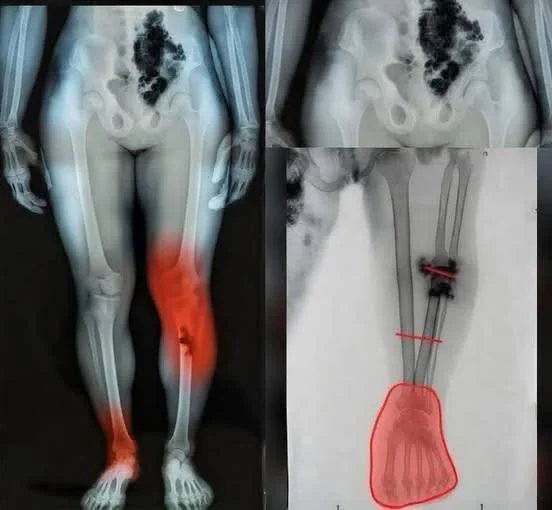
Dropped Head Syndrome occurs when the neck extensor muscles lose strength, often due to underlying neurological or muscular diseases such as myasthenia gravis, ALS, or Parkinson’s disease. However, doctors also note that lifestyle factors — including long hours of poor posture, stress, or muscle strain — may contribute. In this case, no spinal injury was found, leading experts to link the cause to neuromuscular dysfunction. Treatment for DHS focuses on restoring mobility and quality of life through physical therapy, posture correction, and nutritional support. In severe cases, surgery may be considered, but early intervention is key. Physicians emphasize that even young people should not ignore symptoms like neck fatigue, stiffness, or a gradual forward tilt, as early diagnosis greatly improves recovery prospects. Doctors hope this case will raise awareness about neck and spinal health — especially among students and office workers who spend long hours on screens. Maintaining good posture, exercising regularly, and seeking prompt medical advice can make a significant difference. The Isfahan case serves as a reminder that muscular health, emotional balance, and preventive care are all vital for long-term well-being.

COVID-19 vaccinated individuals may be ill…See more

Scientists have long known that mRNA COVID-19 vaccines are highly effective and generally safe, but in rare cases they can be linked to myocarditis, especially in younger males. Researchers at Stanford Medicine say they have now identified a biological mechanism that may explain why this happens, helping clarify the science and possibly opening the way to preve… The study found that two immune signaling proteins, CXCL10 and IFN-gamma, appear to play a central role. Researchers observed that certain immune cells exposed to the vaccine produced these inflammatory signals, which then appeared to trigger immune activity that could affect heart tissue. Their results in lab experiments, mice, and heart-like tissue models suggested that this inflammatory chain may help explain the rare cases of heart inflammation seen after vaccination. At the same time, the overall risk remains low, and researchers stressed the broader context. Vaccine-associated myocarditis is uncommon, while COVID-19 infection itself has been reported to carry a higher risk of causing myocarditis along with other serious complications. The study also found that blocking the specific inflammatory signals reduced heart-related damage in experiments without fully removing the broader immune response. The team also explored genistein, a compound found in soy, and found that it reduced harmful effects in their experimental models. While that does not mean it is an immediate treatment, it suggests there may be ways in the future to lower the risk while preserving vaccine benefits. Overall, the findings provide a clearer explanation for a rare side effect and point toward possible strategies to make mRNA-based treatments even safer.