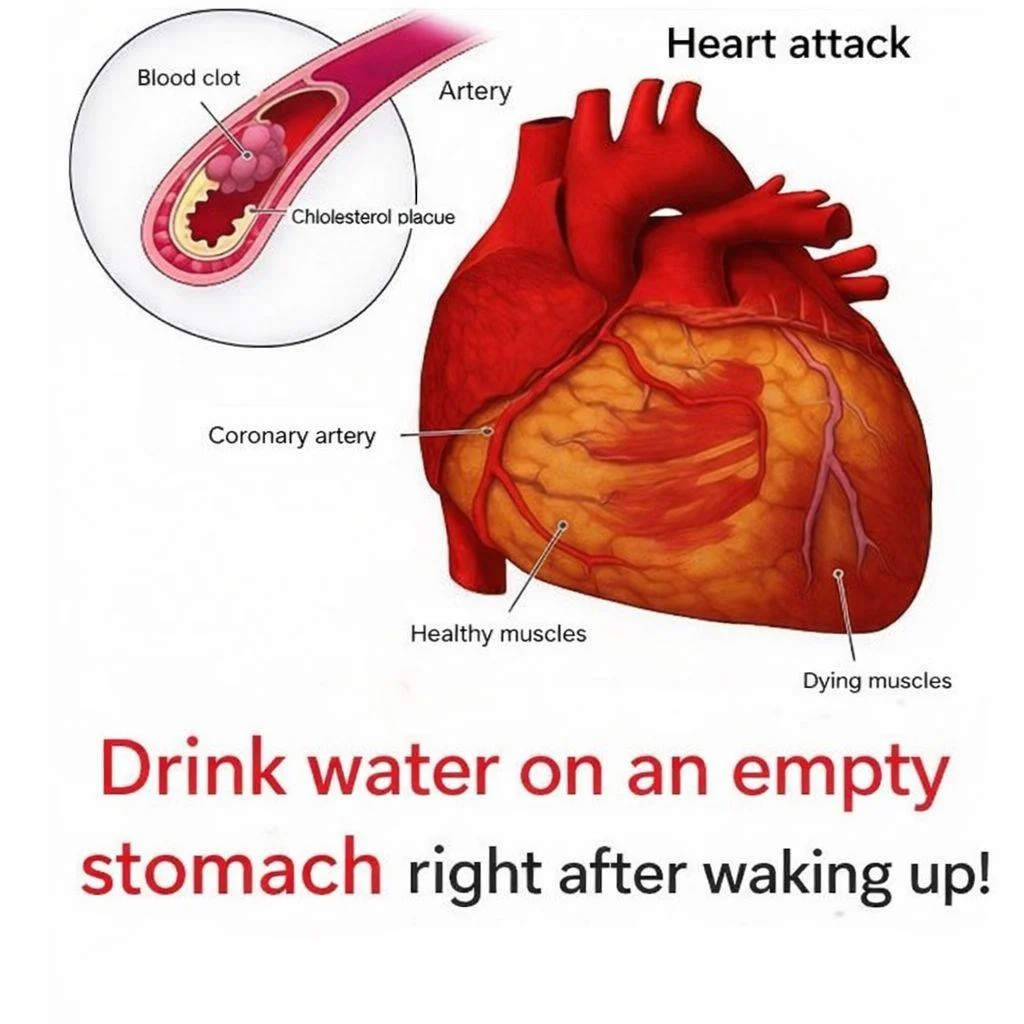
Did you know that drinking water on an empty stomach could be…

Starting your day with a glass of water is one of the simplest health habits—and one of the most often recommended. But is drinking water on an empty stomach truly special, or is it just another wellness trend? Let’s break down what science really says. Why Water Matters Water makes up about 60% of your body and is essential for countless vital functions: Transporting nutrients through your bloodstream Regulating body temperature Supporting digestion Lubricating joints for smooth movement Removing waste through urine and sweat Because we constantly lose water through breathing, sweating, and waste elimination, replenishing it regularly is crucial for maintaining balance. Why Morning Hydration Helps After 6–9 hours of sleep, your body is naturally dehydrated. You haven’t consumed fluids overnight, yet your body continues to lose water through breathing and perspiration. Drinking water first thing in the morning replenishes lost fluids—a simple but effective reason to make it a habit. What Drinking Water on an Empty Stomach Actually Does ❌ It Doesn’t “Detox” Your BodyYour liver and kidneys handle detoxification naturally. Water supports them but doesn’t magically flush out toxins. ❌ Timing Isn’t MagicalWhile morning hydration is helpful, drinking water anytime during the day provides the same essential benefits. Total daily intake matters more than timing. ❌ It Won’t Cure DiseaseWater is vital for health, but it isn’t a treatment. It supports your body’s functions but doesn’t replace medical care. How Much Water Should You Drink? The classic “8 glasses a day” rule is a decent starting point, but your needs vary depending on: Body size Activity level Climate Overall health A better approach: drink when you’re thirsty and aim for pale yellow urine as a hydration guide. Tips for Making Morning Hydration a Habit Keep water by your bedside – so it’s ready when you wake up Drink before coffee – make water your first beverage Add natural flavor – lemon, cucumber, or herbs make it more enjoyable Start with room temperature – easier on an empty stomach Set a reminder – until it becomes automatic Who Should Be Cautious? For most people, morning water is safe and beneficial. Exceptions include: Kidney issues requiring fluid restriction Heart failure or conditions requiring careful fluid management Medications affecting fluid balance – stay consistent with your doctor’s guidance The Bottom Line Drinking water first thing in the morning is a simple, free habit that sets a healthy tone for the day. While it doesn’t magically detoxify you or boost metabolism dramatically, it ensures your body is rehydrated and ready to function at its best. Remember, the key is enough water throughout the day, not just one glass in the morning.

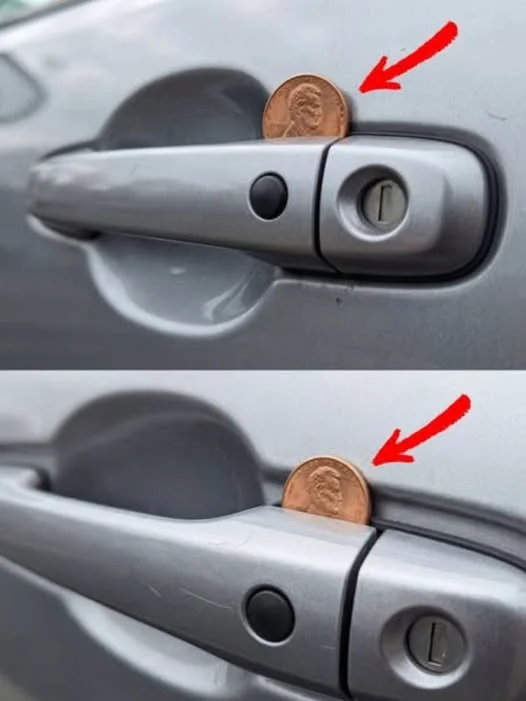
If You See a Penny in Your Car Door Handle—Here’s What It Really Means (And What to Do)

You’re rushing out to your car—coffee in hand, kids in tow, already late for work—when you notice something odd: a penny wedged in your door handle. Your first thought? “Weird… must’ve fallen out of someone’s pocket.” But then you hear the rumors: “It’s a car thief’s trick!” “They’re testing if your car is unlocked!” “It’s a signal to an accomplice!” So… should you panic? Call the police? Or just toss the penny and go about your day? Let’s cut through the fear-mongering and get to the truth—because the reality is more nuanced (and far less sinister) than viral warnings suggest. The Viral Claim: “The Penny Trick” Explained The story goes like this: A thief slips a penny or nickel into the gap of your passenger-side door handle. When you try to lock your car with your key fob or manual lock, the door seems to lock—but the penny prevents it from fully engaging. You walk away thinking your car is secure… but it’s not. The thief returns later, opens the door, and steals your belongings (or your car). Some versions even claim the penny is a distraction tactic: you struggle to unlock the door, get frustrated, and while you’re distracted, an accomplice strikes. Sounds clever, right? But here’s the problem: it’s largely a myth—with a tiny grain of truth. The Reality: Why This “Trick” Rarely Works (Especially on Modern Cars) ✅ On Older Cars (Pre-2000s): ✅ On Older Cars (Pre-2000s): Some manual locks could be jammed by a small object, potentially preventing the latch from closing fully. But even then, you’d likely feel resistance when closing the door or see the handle not sit flush. ❌ On Modern Vehicles (2000s–Today): Most cars have central locking systems—if one door isn’t closed, the car often won’t lock at all (you’ll hear repeated beeps or see a warning light). Door handles are designed with tight tolerances—a penny simply won’t fit in the latch mechanism without being obvious

Jennifer Lopez,….Privacy…Full details>

The world of Hollywood is a relentless machine of reinvention, but even by its dizzying standards, Jennifer Lopez remains the undisputed queen of the pivot. For over thirty years, she has managed to stay at the very center of the cultural zeitgeist, navigating the treacherous waters of pop stardom, cinematic success, and a high-stakes personal life that has been dissected by the public like a global obsession. Now, at 56, an age where most icons are content to rest on their laurels, J.Lo has once again seized the narrative. In a move that has left fans breathless and tabloids scrambling for answers, she has quietly stepped out with a new romantic partner—a man whose identity is sending shockwaves through the industry not because he is a stranger, but because he is a face you have seen a thousand times before. For Jennifer Lopez, privacy has always been the ultimate luxury, one that she has rarely been able to afford. From the early days of her rise in the Bronx to the global “Bennifer” phenomenon that defined two separate decades, her heart has been a matter of public record. But as the calendar turned to April 2026, it became clear that the rules of engagement had changed. This isn’t the flashy, paparazzi-fueled romance of years past. There were no coordinated red carpet debuts or cryptic Instagram posts designed to spark a viral frenzy. Instead, this new chapter began in the shadows—a quiet, deliberate spark that was allowed to catch fire away from the blinding flashbulbs of the Sunset Strip. The first whispers began several months ago, circulating through the exclusive enclaves of Malibu and the high-end art galleries of Los Angeles. Observers noted a different energy surrounding the superstar—a certain groundedness and a serene, unbothered air that suggested she was harboring a beautiful secret. There were sightings of a mystery man accompanying her to private events, always keeping a respectful distance from the cameras, appearing more like a pillar of support than a prop for a photo op. A grainy, candid photo snapped outside a secluded restaurant in the canyons briefly set the internet ablaze, but the image was so low-profile that many dismissed it as a business meeting or a platonic friendship. After all, Jennifer has always moved in circles populated by the world’s most influential creators. However, as the sightings became more frequent, the truth could no longer be contained. Insiders close to the singer and actress have finally confirmed that she is indeed in a serious relationship, and the details emerging suggest that this is the most “intentional” romance of her life. The man in question is not a newcomer seeking a shortcut to fame; he is an established, formidable presence in his own right. “You know him,” one source teased with a knowing smile. “And when the full story comes out, it’s going to make perfect sense. He’s someone who has been in the periphery of her world for a long time, someone who understands the weight of her crown but isn’t blinded by the jewels.” The speculation has reached a fever pitch. Is he a titan of the tech world who has finally wooed the Bronx’s finest? A legendary filmmaker who has long admired her craft from afar? Or perhaps a fellow music industry heavyweight who has finally stepped out from behind the mixing board? While the specific name is being guarded with the kind of security usually reserved for state secrets, those in the inner circle describe him as a “grown man” in every sense of the word—grounded, wildly ambitious, and entirely unintimidated by standing beside one of the most powerful women in the history of entertainment. He isn’t there for the “J.Lo” brand; he is there for Jennifer. To truly appreciate the weight of this development, one must look at the odyssey of Jennifer’s romantic history. Her life has often played out like a high-budget musical, filled with crescendos of passion and the somber notes of heartbreak. We watched her navigate the early trials of her marriage to Ojani Noa, the headline-making intensity of her era with Sean “Diddy” Combs, and the soulful partnership with Marc Anthony that gave her the greatest joys of her life—her children. And, of course, there was Ben Affleck. The 2022 reconciliation and subsequent marriage of “Bennifer” felt like a victory for true believers in fate everywhere. It was a fairy tale that spanned twenty years, proving that sometimes, the universe gives you a second chance. Yet, as 2025 drew to a close, the fairy tale began to show its cracks. Rumors of separate lives and growing distances began to permeate the entertainment trades. While neither party engaged in the messy public finger-pointing that often accompanies celebrity splits, the silence spoke volumes. Jennifer’s recent solo appearances and her shift in focus toward her own peace of mind signaled that a major transition was underway. But rather than retreating or falling into a cycle of public mourning, Jennifer did what she does best: she evolved. She took the lessons of her past—the high-profile mistakes and the hard-won victories—and applied them to a new way of living. This current relationship represents a radical departure from her previous patterns. According to those who have seen the couple together, the chemistry is undeniable but understated. It is the kind of love that exists in the quiet moments—the shared looks across a dinner table, the private jokes, and the unspoken understanding that comes when two people have nothing left to prove to the world. “She’s playing by her own rules now,” a friend of the star remarked. “In the past, there was always a feeling that the relationship had to be as big as her career. Now, she just wants someone who makes her feel seen when the lights go down.” The mystery man is reportedly a bridge between her professional excellence and her personal craving for stability. He is described as a “familiar face” to those who follow the industry, someone who … Read more

BREAKING NEWS confirms that the Earth…..Reading Continue>

For a while, it sounded routine—another cosmic visitor passing nearby. But when size estimates slipped out, the tone shifted. A mountain of rock was heading toward our orbital neighborhood, officially “no real danger,” yet large enough to alter the course of human history if it ever struck. The object is known as 52768 (1998 OR2), a cold, numerical label for something immense. Estimated between 1.5 and 4 kilometers across, it belongs to the rare category of asteroids capable of darkening skies, collapsing ecosystems, and reshaping coastlines through global impacts. NASA tracks the asteroid with precise instruments, monitoring every shift in its orbit. As it moves through space at 8.7 kilometers per second, it is expected to pass safely by Earth’s orbit on June 2nd. Experts remain consistent in their messaging: there is no impact trajectory, no urgent threat, and no reason for public alarm. Yet the asteroid’s close approach highlights a deeper, less comfortable truth. Humanity’s defenses against cosmic hazards depend on early detection systems that are still developing and on technologies that, while improving, are far from foolproof. We rely on global coordination, political decision-making, and funding that often wavers between priorities. Even small delays could leave us vulnerable if a dangerous object were discovered too late for intervention. This time, the calculations fall in our favor. The asteroid will pass at a distance that poses no real risk. Its trajectory has been studied, confirmed, and monitored by multiple agencies. But its arrival is more than an astronomical event; it’s a reminder. Our safety margin in space is thin, maintained only by vigilance, science, and preparation. The real story is not this particular asteroid but the question it raises: Are we ready for the one that doesn’t miss?

Women who easily spread their legs…Full details>

Understanding cholesterol begins with recognizing its two main types. LDL cholesterol is commonly referred to as “bad cholesterol” because it can build up in the walls of arteries, forming plaques that restrict blood flow. HDL (high-density lipoprotein), on the other hand, is known as “good cholesterol” because it helps remove excess cholesterol from the bloodstream and transports it to the liver for elimination. The goal of cholesterol management is to lower LDL levels while increasing or maintaining healthy HDL levels. One of the most effective ways to manage cholesterol is through a heart-healthy diet rich in fiber, healthy fats, and nutrient-dense whole foods. Dietary fiber, especially soluble fiber, plays a major role in reducing LDL cholesterol. Soluble fiber binds with cholesterol particles in the digestive system and helps remove them from the body. Foods such as oats, barley, apples, carrots, lentils, beans, and psyllium husk are excellent sources of soluble fiber and should be included regularly in daily meals. A diet rich in plant-based foods has been consistently shown to improve cholesterol levels. Fruits and vegetables contain antioxidants, vitamins, and fiber that support cardiovascular health and reduce inflammation in the body. Leafy greens, citrus fruits, berries, and cruciferous vegetables like broccoli and cabbage are particularly beneficial. These foods not only help reduce cholesterol but also improve overall metabolic function and immunity. Healthy fats also play a crucial role in cholesterol management. Not all fats are harmful; in fact, certain fats are essential for heart health. Unsaturated fats, found in foods such as olive oil, nuts, seeds, avocados, and fatty fish, help reduce LDL cholesterol while supporting HDL levels. Replacing saturated fats with healthier alternatives can have a significant positive impact on cardiovascular health. For example, using olive oil instead of butter or ghee in cooking can help improve lipid profiles over time. On the other hand, saturated fats and trans fats should be limited as much as possible. These unhealthy fats are commonly found in fried foods, baked goods, processed snacks, margarine, and fast food. They increase LDL cholesterol and contribute to plaque buildup in arteries. Regular consumption of these foods significantly raises the risk of heart disease. Reducing intake of such foods is one of the most important steps in cholesterol management. Whole grains are another essential component of a cholesterol-lowering diet. Unlike refined grains, whole grains retain their fiber-rich outer layers, which help regulate cholesterol absorption in the body. Foods like whole wheat, brown rice, oats, quinoa, and barley provide long-lasting energy while also supporting heart health. Replacing refined carbohydrates with whole grains can lead to noticeable improvements in cholesterol levels over time. Protein choices also influence cholesterol balance. Plant-based proteins such as lentils, chickpeas, beans, and tofu are naturally low in saturated fat and beneficial for heart health. Animal-based proteins can also be included, but lean options such as skinless chicken, fish, and low-fat dairy products are healthier choices. Fatty fish like salmon, sardines, and mackerel are particularly valuable because they contain omega-3 fatty acids, which reduce inflammation and support healthy heart function. Another important dietary strategy is reducing sugar intake. Excess sugar consumption is strongly associated with increased triglyceride levels and weight gain, both of which negatively affect cholesterol balance. Sugary drinks, desserts, and processed snacks should be limited or avoided. Instead, natural sources of sweetness such as fruits can be used to satisfy cravings without harming cardiovascular health. Cooking methods also play a role in cholesterol management. Deep frying should be avoided as it increases unhealthy fat intake. Healthier cooking methods such as steaming, grilling, baking, and sautéing with minimal oil are better alternatives. These methods preserve nutrients while reducing unnecessary fat consumption. Portion control is another key factor in maintaining healthy cholesterol levels. Even healthy foods can contribute to weight gain and lipid imbalance if consumed in excess. Eating balanced portions ensures that calorie intake remains within healthy limits, supporting both weight management and cholesterol control. Hydration is often overlooked in heart health discussions, but it plays an important role in metabolic efficiency. Drinking sufficient water helps the body process nutrients effectively and supports liver function, which is essential for cholesterol regulation. Proper hydration also improves digestion and helps prevent overeating by supporting natural hunger cues. Physical activity is another critical component of cholesterol management. Regular exercise helps increase HDL cholesterol while lowering LDL levels and triglycerides. Activities such as walking, jogging, cycling, and especially Resistance training contribute to improved cardiovascular health. Exercise also supports weight management, which directly influences cholesterol balance. Stress management is equally important in controlling cholesterol levels. Chronic stress can negatively affect heart health by increasing inflammation and disrupting hormonal balance. Practices such as mindfulness, meditation, deep breathing, and adequate sleep can help reduce stress levels and support overall cardiovascular function. Poor sleep, in particular, has been linked to higher cholesterol and increased risk of heart disease. Another often overlooked factor is consistency. Cholesterol levels do not improve overnight; they require long-term commitment to healthy habits. Temporary dietary changes may produce short-term results, but sustainable improvements come from consistent lifestyle choices. Making gradual, realistic changes is more effective than extreme diets that are difficult to maintain. Regular monitoring is also important for individuals with high cholesterol or a family history of heart disease. Routine lipid profile tests help track progress and allow adjustments to diet and lifestyle as needed. Early detection of imbalances makes it easier to prevent long-term complications. In conclusion, managing cholesterol through healthy eating is both achievable and highly effective. A diet rich in fiber, healthy fats, whole grains, fruits, vegetables, and lean proteins can significantly improve cholesterol levels and reduce the risk of cardiovascular disease. At the same time, reducing saturated fats, trans fats, sugar, and processed foods is essential for maintaining heart health. When combined with regular physical activity, stress management, and healthy lifestyle habits, dietary changes can lead to long-lasting improvements in cholesterol balance and overall well-being. A consistent, balanced approach is the key to a healthier heart and a longer, more active … Read more
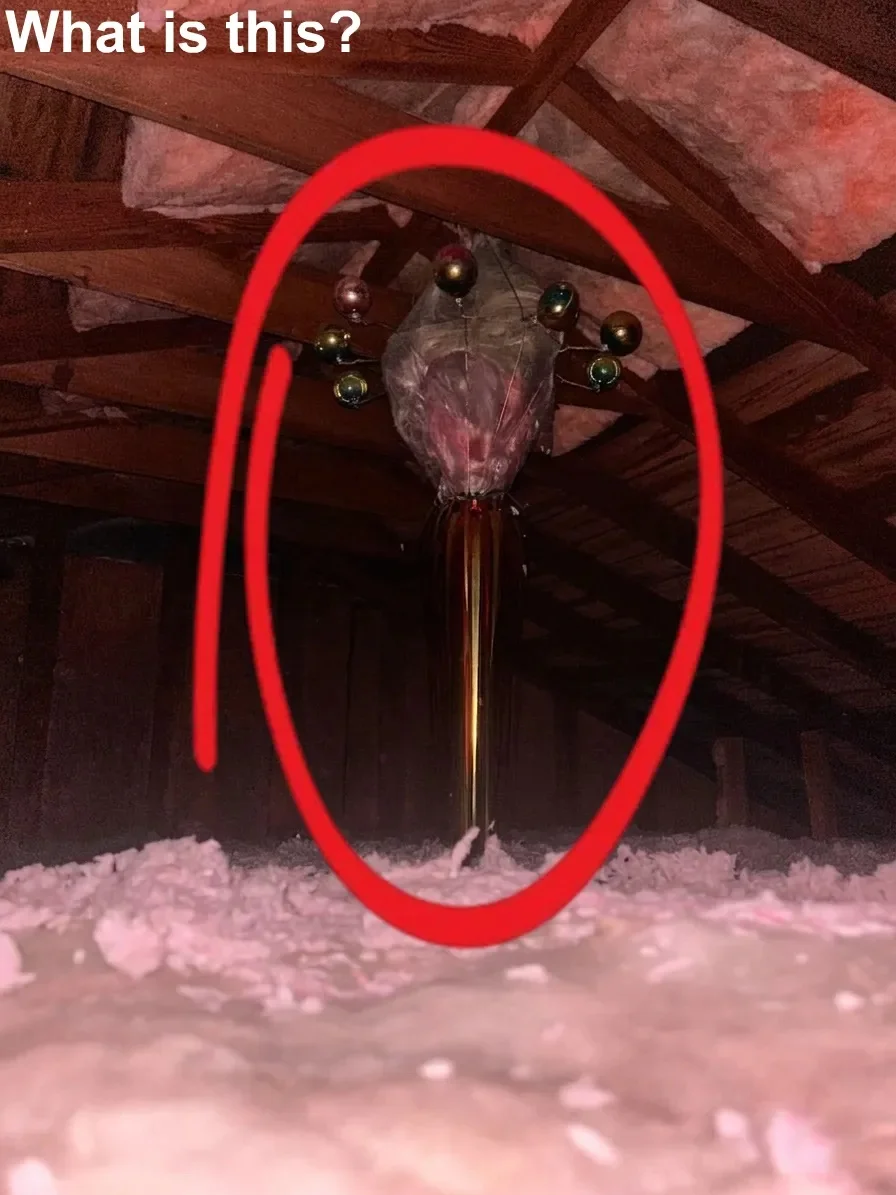
How to Identify Strange Attic Finds Before Jumping to Conclusions

How to Identify Strange Attic Finds Before Jumping to Conclusions**   There’s something inherently mysterious about attics. Tucked away above our everyday living spaces, they often become time capsules—filled with forgotten belongings, family heirlooms, and objects that haven’t seen daylight in decades. So when you stumble across something unusual up there, it’s easy for your imagination to run wild.   Is it valuable? Dangerous? Haunted? Rare? Just be cautious about jumping to conclusions based on a single response—look for consensus.   —   ### Step 6: Consider Safety First   Not all attic finds are harmless. While most are benign, some items can pose risks.   Be careful with:   * Old chemicals or unlabeled containers * Electrical devices with frayed wiring * Items that could contain mold, asbestos, or pests * Sharp or fragile objects   If something looks potentially hazardous, don’t handle it unnecessarily. In some cases, it’s better to consult a professional before proceeding.   Curiosity is good—risk isn’t.   —   ### Step 7: Distinguish Between Sentimental and Monetary Value   One of the most common misconceptions is that old items are automatically valuable.   In reality:   * Many antiques have little market value * Condition plays a huge role in pricing * Rarity doesn’t always equal demand   However, sentimental value can be far more significant. A box of old letters, family photographs, or personal belongings might not sell for much—but they can offer priceless insight into your family’s history.   Before discarding or selling anything, consider its personal significance.   ### Step 8: When to Consult an Expert   If you suspect an item might be valuable, rare, or historically significant, it’s worth getting a professional opinion.   Experts can include:   * Antique appraisers * Historians * Specialized collectors * Museum curators   They can provide accurate identification and help you understand whether the item has cultural or monetary importance.   Just be wary of overestimating value—professional assessments often bring expectations back to reality.   —   ### Step 9: Avoid Common Pitfalls   When dealing with strange attic finds, people often make a few predictable mistakes:   **1. Overhyping the Discovery** Not every unusual object is a hidden treasure. Staying realistic prevents disappointment.   **2. Throwing Things Away Too Quickly** In the rush to declutter, people sometimes discard items that could have historical or sentimental value.   **3. Damaging Items During Inspection** Rough handling can reduce value or destroy fragile objects.   **4. Trusting Unverified Information** Online guesses aren’t always accurate. Cross-check sources before making decisions.   —   ### Step 10: Embrace the Story Behind the Object   Sometimes, the most rewarding part of discovering something unusual isn’t what it’s worth—but what it represents.   Every item has a story:   * Who owned it? * Why was it kept? * What role did it play in everyday life?   Even mundane objects can become fascinating when viewed through a historical or personal lens.   An old kitchen tool might reveal how people cooked decades ago. A stack of letters might uncover family connections you never knew existed.   —   ### The Psychology of “Strange” Finds   It’s worth noting that “strange” is often just a reflection of unfamiliarity. Objects from different time periods or cultures can seem unusual simply because we lack context.   Our brains are wired to fill in gaps with imagination—sometimes leading us to dramatic conclusions.   Recognizing this tendency helps keep your investigation grounded.   —   ### Turning Discovery Into Opportunity   Instead of viewing attic finds as confusing or unsettling, consider them opportunities:   * To learn something new * To connect with history * To uncover family stories * To potentially discover something valuable   Approaching the process with curiosity rather than fear makes the experience far more rewarding.   —   ### Final Thoughts   Finding something strange in your attic can feel like the beginning of a mystery—but it doesn’t have to become one.   By taking a calm, methodical approach, you can turn uncertainty into understanding. Most objects have logical explanations, and even the unusual ones can often be identified with a bit of patience and research.   The key is simple: Don’t jump to conclusions.   Observe. Investigate. Verify.   Because sometimes, what looks like a mystery at first glance turns out to be something far more meaningful—not because it’s rare or valuable, but because it connects you to a story you didn’t know you had. Before you leap to any conclusions, it’s worth slowing down. Strange attic finds are almost always less dramatic than they first appear—but sometimes, they can be more interesting in ways you didn’t expect. Knowing how to properly identify what you’ve discovered can save you from unnecessary panic, missed opportunities, or even costly mistakes.   Let’s walk through a thoughtful, grounded approach to evaluating those mysterious attic discoveries.   —   ### Why Attics Are Full of Surprises   Attics tend to accumulate objects that people don’t want to throw away but don’t use often. Over generations, this can lead to a mix of items from completely different eras—some valuable, some sentimental, and some just… confusing.   You might find:   * Old photographs with no labels * Antique tools or devices that look unfamiliar * Boxes of letters or documents * Unusual containers or sealed packages * Decorative objects that seem out of place   Because these items are removed from their original context, they often appear more mysterious than they actually are.   —   ### Step 1: Pause Before You Assume Anything   The first instinct when encountering a strange object is to label it quickly—sometimes dramatically. People often jump to extremes: * “This must be worth a fortune.” * “This looks dangerous.” * “Is this something paranormal?”   In reality, most attic discoveries have simple explanations. A strange-looking metal device might be an old household tool. A sealed box might contain nothing more than paperwork. Even eerie-looking … Read more

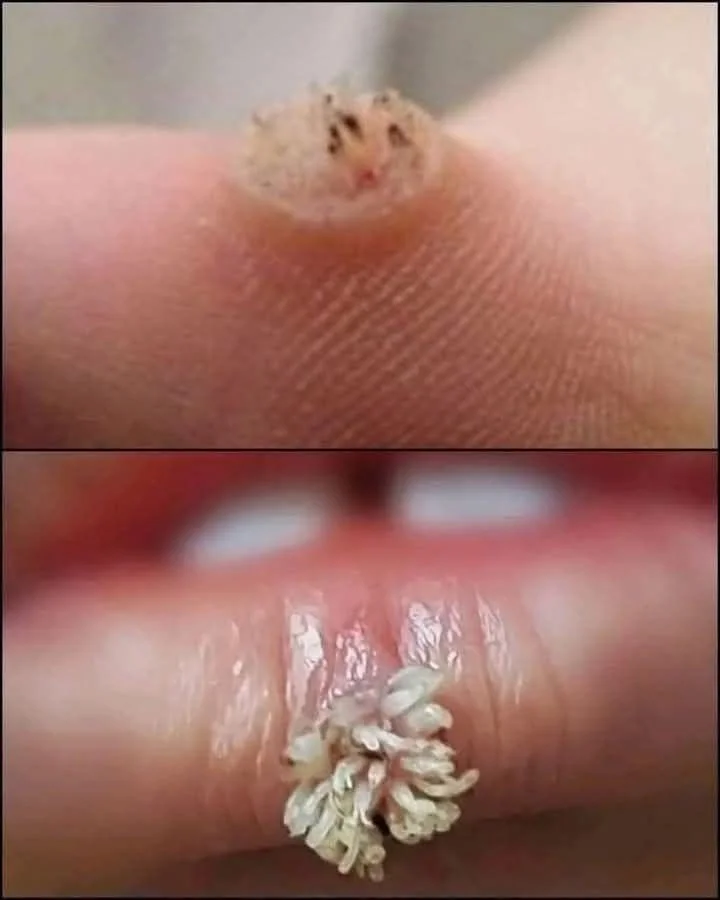
BE VERY CAREFUL . If you get this, you are infected with ….

Warts are small, rough growths on the skin caused by the human papillomavirus (HPV). While they are typically harmless, warts can be unsightly, uncomfortable, or even embarrassing. Many people turn to over-the-counter treatments or medical procedures for wart removal, but natural remedies have long been a popular alternative. These home-based solutions often utilize common household ingredients and are appealing due to their simplicity and accessibility. Though scientific evidence supporting some of these methods is limited, anecdotal success stories abound. If you’re looking to remove warts naturally, here are several approaches worth considering. Understanding Warts and Why Natural Remedies May Work Before diving into remedies, it’s important to understand what causes warts. HPV infects the top layer of the skin, causing rapid cell growth that results in raised bumps. The immune system plays a critical role in fighting off HPV, so anything that boosts immunity or irritates the wart—potentially triggering an immune response—may aid in its removal. Natural remedies aim to either stimulate the immune system, physically break down the wart tissue, or create an inhospitable environment for the virus. Below are some tried-and-true options: 1. Apple Cider Vinegar (ACV)Condiments & Dressings Apple cider vinegar is one of the most widely recommended natural remedies for warts. Its high acidity creates an environment where the virus cannot thrive, while also breaking down the wart tissue over time. How to Use: Soak a cotton ball in apple cider vinegar. Secure it over the wart using a bandage or tape.Fruits & Vegetables Leave it on overnight and repeat daily until the wart disappears. Note: ACV can cause mild irritation, so it’s wise to dilute it with water if your skin is sensitive. 2. Garlic Garlic contains allicin, a compound with potent antiviral and antibacterial properties. Applying garlic directly to a wart may help combat the underlying HPV infection. How to Use: Crush a clove of garlic and apply the paste to the wart. Cover with a bandage and leave it on for several hours or overnight. Repeat daily until the wart falls off. For added effectiveness, mix crushed garlic with a few drops of olive oil to prevent excessive drying. 3. Tea Tree Oil Tea tree oil is renowned for its antimicrobial and antiviral properties. It works by penetrating deep into the skin to target the virus responsible for the wart. How to Use: Dilute tea tree oil with a carrier oil like coconut or almond oil (1 part tea tree oil to 2 parts carrier oil). Apply the mixture to the wart twice daily using a cotton swab. Home Tips & Tricks BE VERY CAREFUL . If you get this, you are infected with… BE VERY CAREFUL . If you get this, you are infected with …. See more Warts are small, rough growths on the skin caused by the human papillomavirus (HPV). While they are typically harmless, warts can be unsightly, uncomfortable, or even embarrassing. Many people turn to over-the-counter treatments or medical procedures for wart removal, but natural remedies have long been a popular alternative. These home-based solutions often utilize common household ingredients and are appealing due to their simplicity and accessibility. Though scientific evidence supporting some of these methods is limited, anecdotal success stories abound. If you’re looking to remove warts naturally, here are several approaches worth considering. video of: Coocamber UV Cell Phone Sanitizer REVIEWPlay Video Coocamber UV Cell Phone Sanitizer REVIEW Fullscreen Share Watch onHumix Coocamber UV Cell Phone Sanitizer REVIEW Understanding Warts and Why Natural Remedies May Work Before diving into remedies, it’s important to understand what causes warts. HPV infects the top layer of the skin, causing rapid cell growth that results in raised bumps. The immune system plays a critical role in fighting off HPV, so anything that boosts immunity or irritates the wart—potentially triggering an immune response—may aid in its removal. Natural remedies aim to either stimulate the immune system, physically break down the wart tissue, or create an inhospitable environment for the virus. Below are some tried-and-true options: 1. Apple Cider Vinegar (ACV)Condiments & Dressings Apple cider vinegar is one of the most widely recommended natural remedies for warts. Its high acidity creates an environment where the virus cannot thrive, while also breaking down the wart tissue over time. How to Use: Soak a cotton ball in apple cider vinegar. Secure it over the wart using a bandage or tape.Fruits & Vegetables Leave it on overnight and repeat daily until the wart disappears. Note: ACV can cause mild irritation, so it’s wise to dilute it with water if your skin is sensitive. 2. Garlic Garlic contains allicin, a compound with potent antiviral and antibacterial properties. Applying garlic directly to a wart may help combat the underlying HPV infection. How to Use: Crush a clove of garlic and apply the paste to the wart. Cover with a bandage and leave it on for several hours or overnight. Repeat daily until the wart falls off. For added effectiveness, mix crushed garlic with a few drops of olive oil to prevent excessive drying 3. Tea Tree Oil Tea tree oil is renowned for its antimicrobial and antiviral properties. It works by penetrating deep into the skin to target the virus responsible for the wart. How to Use: Dilute tea tree oil with a carrier oil like coconut or almond oil (1 part tea tree oil to 2 parts carrier oil). Apply the mixture to the wart twice daily using a cotton swab Continue application for several weeks as needed. Avoid applying undiluted tea tree oil, as it can irritate sensitive skin. 4. Duct Tape Occlusion Therapy This unconventional method gained popularity after studies suggested it might mimic the effects of salicylic acid, a common ingredient in commercial wart treatments. The theory is that covering the wart deprives it of oxygen and triggers an immune response. How to Use: Cut a piece of duct tape slightly larger than the wart. Cover the wart completely and leave it on for six days. After removing the tape, soak … Read more

If a woman has small breasts, it means that her internal part…

The perception of breast size has long been surrounded by beliefs and myths. Many women wonder if their breast size can affect their hormonal balance or overall well-being. In this article, we explore this connection, debunk common misconceptions, and share natural health tips for women of all body types. The biology behind breast size A woman’s breast size is primarily influenced by genetics and hormones. Hormones like estrogen and progesterone play a significant role in breast tissue development. During puberty, the surge in hormone levels contributes to breast growth. Other factors, such as age, weight, and lifestyle, can also affect breast size It’s important to note that having small breasts doesn’t necessarily mean you have health problems. Every body is unique, and breast size isn’t a reliable indicator of overall health. Some theories suggest a correlation between breast size and hormone production, as well as certain aspects of female well-being, but this remains to be proven. Myths and realities about breast size and hormonal health

Signs Someone May Be Missing Emotional and Physical Closeness in Life

Human connection plays an important role in emotional well-being and overall happiness. Emotional and physical closeness can provide comfort, support, reassurance, and a sense of belonging. When someone goes for a long period without meaningful connection, it may begin to affect their mood, behavior, confidence, and daily life in subtle ways. While every person experiences loneliness and emotional distance differently, experts say there are certain emotional and behavioral signs that may appear when someone is missing closeness and connection in their life. Increased Feelings of Loneliness One of the most common signs of lacking emotional connection is persistent loneliness. A person may feel emotionally disconnected even when surrounded by friends, coworkers, or family members. Loneliness is not always about being physically alone. Sometimes it comes from feeling misunderstood, emotionally unsupported, or unable to form deeper bonds with others. Over time, this emotional emptiness can affect motivation and overall happiness. Mood Changes and Emotional Sensitivity People who are missing emotional closeness may become more emotionally sensitive than usual. Small disappointments, rejection, or misunderstandings may affect them more deeply because emotional needs are not being fully met. Some individuals may experience sadness, frustration, irritability, or emotional exhaustion more frequently. Others may become quieter and more withdrawn without realizing the emotional cause behind these changes. Increased Desire for Attention or Reassurance When emotional connection is missing, some people naturally begin seeking more attention, validation, or reassurance from others. This does not necessarily mean they are needy, but rather that they are craving emotional comfort and connection. They may become more active on social media, seek frequent communication, or feel disappointed when others appear distant or unavailable. Difficulty Relaxing Emotionally Emotional closeness often creates a sense of safety and calmness. Without it, some people may struggle to fully relax emotionally. They may overthink conversations, worry about relationships, or feel emotionally restless even during quiet moments. This emotional tension can sometimes affect sleep quality, concentration, or overall peace of mind. Feeling Emotionally Disconnected From Others People who are missing emotional connection sometimes feel detached from those around them. Conversations may begin to feel surface-level or emotionally unfulfilling. Even when interacting with others regularly, they may still feel that something important is missing emotionally. This can slowly increase feelings of isolation over time. Lower Confidence and Self-Worth Healthy emotional connection often helps people feel valued, appreciated, and emotionally secure. Without that support, some individuals may begin doubting their self-worth or attractiveness. Over time, emotional isolation can affect confidence levels and make people question whether they are truly understood or appreciated by others. Increased Stress and Mental Fatigue Emotional support helps people cope with stress more effectively. When someone lacks emotional closeness, everyday problems may begin to feel heavier and more emotionally draining. Without a strong support system, stress can build up more easily, leading to emotional fatigue and mental exhaustion. Craving Physical Comfort and Affection Physical closeness, such as hugs, comforting touch, or simply sitting close to someone, can create feelings of warmth and emotional reassurance. When people go long periods without physical affection, they may begin missing simple forms of comfort and human connection. Some individuals may not openly express this feeling, but it can still affect emotional well-being over time. Becoming More Withdrawn Socially In some cases, emotional disconnection may lead people to isolate themselves further. They may avoid social situations, communicate less frequently, or spend more time alone because they feel emotionally drained or discouraged. Unfortunately, this isolation can sometimes deepen feelings of loneliness instead of improving them. Overthinking Relationships and Interactions People who are emotionally disconnected may begin overanalyzing conversations, messages, or social interactions. They may worry more about rejection, emotional distance, or misunderstandings. This overthinking often comes from a deeper desire for reassurance and meaningful emotional connection. Importance of Healthy Human Connection Emotional and physical closeness are natural parts of human life. Healthy relationships, supportive friendships, and meaningful communication all contribute to emotional balance and mental well-being. Connection does not always need to be romantic. Family support, close friendships, and genuine social interaction can also provide emotional comfort and reduce feelings of isolation. Ways to Improve Emotional Well-Being Building stronger emotional connections often begins with open communication and healthy social habits. Spending quality time with supportive people, maintaining friendships, practicing self-care, and participating in activities that encourage connection can improve emotional health over time. For individuals experiencing persistent loneliness or emotional distress, speaking with a mental health professional may also be helpful. Final Thoughts Missing emotional and physical closeness can affect people in many different ways, from loneliness and stress to emotional sensitivity and reduced confidence. While these experiences are common, they also highlight how important healthy human connection is for emotional well-being. Understanding these signs can help individuals recognize their emotional needs and take positive steps toward building healthier, more supportive relationships in their lives.

Doctors Warn About Serious Mental Health Risks After People Share Frightening Weed Experiences

As marijuana becomes more widely used around the world, medical experts are raising fresh concerns after many users began sharing disturbing personal experiences linked to smoking weed. While some people use cannabis to relax or reduce stress, others say they experienced terrifying symptoms including paranoia, panic attacks, hallucinations, anxiety, and feelings of losing touch with reality. Health professionals say these reactions may be more common than many people realize, especially with today’s high-potency cannabis products. Experts are now urging users to better understand the possible mental health risks connected to heavy or frequent marijuana use. Users Describe Frightening Reactions Across online forums and social media, many individuals have opened up about deeply unsettling experiences after smoking weed. Some described feeling trapped in intense panic, while others reported hearing voices, seeing visual distortions, or believing they were disconnected from reality. One Reddit user explained they experienced severe paranoia and believed terrifying events were happening around them, even though none of it was real. Another person described feeling stuck in a “time loop” after consuming cannabis, while others reported lingering anxiety long after the effects wore off. Although not everyone experiences these symptoms, experts say such stories highlight the importance of understanding how cannabis can affect the brain differently from person to person. Experts Warn About Cannabis-Induced Psychosis Medical researchers have increasingly focused on the connection between cannabis use and psychosis. Cannabis-induced psychosis is a condition where someone experiences symptoms such as paranoia, hallucinations, confusion, or delusions after using marijuana. According to experts, younger users and people with certain genetic or mental health vulnerabilities may face higher risks. Research cited by health professionals has shown that strong cannabis products with high THC levels may increase the likelihood of severe reactions in some individuals. Some doctors warn that repeated heavy cannabis use could potentially contribute to long-term psychiatric conditions in vulnerable individuals. Why Today’s Weed May Be Stronger Than Before Experts say modern cannabis products are often far more potent than those available decades ago. Certain strains are specifically designed to contain very high THC concentrations, which produce stronger psychoactive effects. Researchers believe this increased potency may partly explain why more users are reporting panic attacks, extreme anxiety, and psychotic symptoms after using marijuana. Health specialists warn that inexperienced users may especially underestimate how powerful some modern cannabis products can be. Anxiety and Panic Attacks Are Common Complaints Even among people who do not experience psychosis, anxiety and panic attacks are frequently reported after smoking weed. Some users describe racing thoughts, chest tightness, fear of dying, or feelings of losing control. Experts explain that THC can affect brain chemicals related to mood, stress, and perception. For some individuals, especially those prone to anxiety, cannabis may trigger overwhelming emotional reactions rather than relaxation. Several users online said they stopped using marijuana entirely after experiencing intense panic episodes that left lasting emotional effects. Long-Term Mental Health Concerns Researchers continue studying whether long-term marijuana use may increase risks of psychiatric disorders in certain people. While occasional use may affect individuals differently, experts say frequent or heavy cannabis consumption deserves caution. Some studies have linked regular marijuana use with higher risks of developing psychotic disorders, particularly in younger users or those with a family history of mental illness. Doctors emphasize that cannabis does not affect everyone in the same way, which is why reactions can vary dramatically between users. Online Communities Share Recovery Stories Despite the frightening experiences, many people online also shared stories about recovery after quitting marijuana. Some users reported improvements in anxiety levels, mental clarity, sleep quality, and emotional stability after stopping cannabis use. Others encouraged people experiencing severe symptoms to seek professional medical support instead of ignoring warning signs. Mental health experts say early intervention can be extremely important if someone experiences ongoing paranoia, hallucinations, or severe emotional distress after using cannabis. Experts Encourage Awareness and Responsible Choices Doctors are not suggesting that every cannabis user will develop severe mental health problems. However, specialists say the growing number of reported negative experiences should encourage greater awareness about the potential risks. Experts particularly urge caution among teenagers, young adults, and individuals with existing mental health concerns. Understanding dosage, potency, and personal risk factors may help reduce the likelihood of dangerous reactions. Medical professionals also advise users to seek help if marijuana begins causing emotional instability, panic attacks, or disruptions to daily life. Final Thoughts For many people, marijuana may appear harmless or relaxing at first. But as more users share terrifying personal experiences and researchers continue studying the mental health effects of cannabis, experts are warning that the risks should not be ignored. From panic attacks and paranoia to psychosis and long-term anxiety, cannabis can affect people in very different ways. Health professionals say awareness, moderation, and understanding personal mental health risks are more important than ever as cannabis use continues to grow worldwide.