AMERICA ON THE BRINK: THE APOCALYPTIC SUPERSTORM TEARING TOWARD YOUR FRONT DOOR!….see more…..
The clock is ticking, and the skies are turning an ominous, bruised shade of purple that spells absolute catastrophe for millions. A monster of nature—a superstorm of unprecedented ferocity—is currently gathering its terrifying strength, and it is locking its sights directly on the heart of the United States. If you think you’ve seen bad weather, think again, because what is coming is not just a storm; it is a potential extinction-level event for your neighborhood. Don’t wait until the power lines are sparking and the floodwaters are breaching your doorstep. The time to prepare is running out.Politics Meteorologists and atmospheric experts are currently scrambling as they track a massive, rapidly intensifying weather system that is charging toward the American coastline. The data coming back from radar arrays is nothing short of harrowing. This is not your typical summer squall; it is a sprawling, cyclonic beast fueled by record-breaking, dangerously warm ocean temperatures. As this storm drags massive amounts of moisture inland, it is colliding with a volatile atmospheric environment, creating a recipe for widespread, catastrophic destruction. The experts are using words like “unprecedented,” “rapid intensification,” and “life-threatening” to describe what is currently barreling toward us. The primary threats associated with this system are multifaceted and extreme. Forecast models are predicting a trifecta of terror: sustained, hurricane-force winds that could easily level homes, a barrage of supercell-fueled tornadoes that could drop from the sky with almost no warning, and a deluge of rainfall that threatens to shatter all-time records. This is a storm system that does not just affect the coastline; its sheer size and momentum mean that its destructive reach will extend deep into the Midwest, turning inland communities that usually feel safe into ground zero for a natural disaster. The Federal Emergency Management Agency (FEMA) and the National Weather Service have already moved to high-alert status, urging residents in low-lying and coastal regions to immediately review their emergency plans. The message from the authorities is clear: do not wait for the order to evacuate. If you are in a flood-prone area, the window of opportunity to leave safely is closing fast. The danger is not just from the wind; it is the water. We are looking at a scenario where river systems could quickly overflow their banks, turning once-peaceful waterways into raging torrents. Perhaps the most terrifying aspect of this storm is the threat of flash flooding. In many urban environments, our aging and crumbling infrastructure is simply not designed to handle the sheer volume of water predicted. Even a relatively short burst of this intense rainfall could overwhelm drainage systems in seconds, causing water to surge into city streets, basements, and ground-level residences before anyone has a chance to react. Densely populated areas are particularly vulnerable, as the concrete jungle creates a funneling effect for floodwaters, potentially trapping residents who are unaware of the speed at which these floods can materialize. Experts observing the storm’s mechanics note that the combination of abnormally warm ocean temperatures and a highly unstable atmospheric pattern is acting like jet fuel. This is causing the system to expand and strengthen at a pace that has left many forecasters stunned. As it pushes inland, it refuses to dissipate, feeding on the humidity and heat trapped across the landmass. This means that communities far from the ocean, which typically expect only minor impacts from storms, need to take this warning with the utmost seriousness. The unpredictability of these weather patterns is a hallmark of the modern era, and this specific storm is defying historical norms for this time of year. Emergency response teams across the country are currently working around the clock to mobilize. Shelters are being readied, rescue equipment is being deployed to strategic locations, and massive stockpiles of sandbags and other flood-defense materials are being distributed. However, officials are quick to emphasize that while they are preparing to save lives, their resources can be stretched thin. The most effective defense against a storm of this magnitude is individual preparedness. If you have an emergency kit, ensure it is packed. If you have a family evacuation plan, walk through it today. If you live in an area that has experienced flooding in the past, assume it will happen again, only faster and with more intensity.Family This is a critical juncture. The reports coming from the weather bureaus are not intended to induce panic, but to incite action. When a storm of this size is confirmed to be on a path toward your home, the difference between being a victim and being a survivor often comes down to the actions taken in the hours leading up to the impact. Stay glued to official, verified weather updates—not social media rumors—and follow the directions of your local emergency management agencies without hesitation. The weather, as we are learning, is becoming increasingly volatile, and this current threat is a harsh reminder of how fragile our situation can become when nature decides to assert its dominance. As the hours tick by, the storm continues to consolidate its energy, gaining mass and momentum. This is a moment where community, preparedness, and common sense must take priority over all else. Keep your eyes on the horizon, keep your ears to the radio, and ensure that every member of your household knows exactly what to do if the sirens begin to wail. This is not a time for complacency; it is a time for decisive, immediate action as the nation braces for what could be one of the most significant weather events of the decade. Your safety, and the safety of those around you, depends entirely on the preparation you make right now. Stay alert, stay informed, and stay safe. Read More>>>
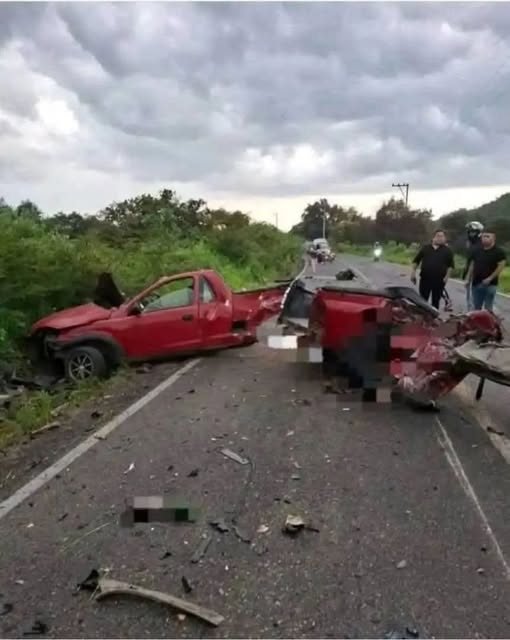

A serious accident occurred a few minutes ago on the Sa… road

Tragedy in the US/ Car hits pedestrians in Manhattan, two dead and three seriously injured Two people were killed and three others were seriously injured after a vehicle went out of control and crashed into pedestrians in New York City. The accident occurred on Friday afternoon in the Manhattan area, when the driver of the vehicle, according to preliminary reports, lost control of his car. The incident was recorded at around 6pm local time. Security camera footage, published by the New York Post, shows the vehicle speeding through an intersection before crashing first into a van parked near a barbershop and then into a group of people outside the shop. As a result, two people died at the scene, while three men, ages 36, 44 and 51, were seriously injured. According to police, they were transported to Mount Sinai Morningside, formerly known as St. Luke’s Hospital, in critical condition. Authorities have arrested the 61-year-old driver of the vehicle, while investigations continue to determine the causes that led to the loss of control of the car. Police are verifying whether the driver of the vehicle suffered any health problems or if there is another factor that caused the accident. According to a report by CBS News, investigators do not currently suspect a criminal or terrorist act. The investigation to fully clarify the incident continues. Read More>>>  

Despite Being the ‘World’s Deadliest Food,’ 500 Million Still Consume It, and It Claims Over 200 Lives Annually….See More>>>

Some foods can be as dangerous as they are delicious. From toxic plants to venomous seafood, a single bite can cause paralysis—or worse. In South America, Cassava is a staple for millions and provides essential carbohydrates for many in tropical regions. However, its roots and leaves contain cyanogenic glycosides, which release cyanide when broken down, ranking it as one of the World’s Deadliest Foods. If not properly processed, this toxin can lead to goiters, paralysis, or even death. Despite the risk, people rely on it for survival, carefully soaking, fermenting, or cooking it to remove toxins. Advertisement This isn’t the only deadly food out there—nature hides danger in unexpected places. Some dishes demand expert handling and preparation. The line between nourishment and poison is thinner than you think. Understanding these risks can mean the difference between a meal and a medical emergency. Cassava (Yuca) Source: Shutterstock Cassava ranks among the World’s Deadliest Food if not handled correctly. Poisonous Cassava kills up to 200 people per year, and leaves many people permanently disabled from lower levels of cyanide poisoning. Its toxic roots should be soaked for at least 24 hours before being boiled or fried. This will break down the cyanogenic glycosides in the roots, making it safe for consumption. Despite the risks, it’s resilience in poor soil makes it a crucial food source in many regions. Proper preparation turns this potentially lethal plant into a reliable carbohydrate. Star Fruit Source: Shutterstock Starfruit may look harmless, but it contains neurotoxins that can be deadly for people with kidney disease. Healthy kidneys filter out these toxins, but in those with kidney issues, they build up and cause seizures, confusion, or even death. Symptoms can appear within hours, starting with hiccups, vomiting, or weakness. Cooking does not remove the risk, making avoidance the only safe option for those at risk. Cherry Pits Source: Shutterstock Cherry pits may seem harmless, but they contain amygdalin, a compound that turns into cyanide when digested. Even a few crushed or chewed pits can cause headaches, dizziness, or worse. This hidden danger earns cherries a spot among the World’s Deadliest Food when eaten incorrectly. While swallowing a whole pit usually isn’t harmful, breaking them open releases toxins. In large amounts, they can lead to breathing problems, seizures, or fatal poisoning. Though cherries are a sweet treat, their pits serve as a reminder that some natural foods carry serious risks. Green Potatoes Source: Shutterstock Green potatoes contain solanine, a natural toxin that can cause nausea, headaches, and even nerve damage. Exposure to light increases solanine levels, turning the skin green and making the potato unsafe to eat. Consuming too much can lead to vomiting, confusion, or, in extreme cases, paralysis. Cooking does not remove the toxin, so peeling or discarding green potatoes is the safest choice. Pufferfish Source: Shutterstock Pufferfish, a delicacy in Japan, is the main ingredient in fugu, a sushi dish prized for its taste and risk. Japanese chefs undergo years of training to master its preparation. They carefully remove the liver, intestines, and ovaries, which contain tetrodotoxin—a deadly poison. If ingested, this toxin can cause numbness, paralysis, and respiratory failure within 20 minutes. Each year, dozens fall ill from poorly prepared pufferfish, but only a few cases turn fatal. Raw Cashews Source: Shutterstock Raw cashews contain urushiol, the same toxin found in poison ivy, making them a hidden danger among the World’s Deadliest Food. Eating them can cause severe allergic reactions, skin irritation, or internal swelling. Even a small amount may trigger itching, blisters, or breathing problems. To make cashews safe, producers steam them to remove toxins before packaging. Despite their creamy taste and health benefits, raw cashews should never be eaten straight from the tree. Proper processing turns this risky nut into a safe and popular snack. Bitter Almonds Source: Shutterstock Bitter almonds contain amygdalin, a compound that turns into cyanide when eaten. Just a handful can cause dizziness, breathing problems, or even death. Unlike sweet almonds, they require special processing to remove toxins before consumption. Eating them raw puts the body at serious risk, especially for children. Even in small amounts, symptoms can appear quickly, leading to weakness or confusion. While almonds are a popular snack, bitter varieties remind us that not all nuts are safe to eat. Read More: It’s One of The Deadliest Cancers In America, And It’s On The Rise. These 10 States Have The Highest Rates Apple Seeds Source: Shutterstock Apple seeds contain amygdalin, which turns into cyanide when digested. Eating a few won’t cause harm, but large amounts can be dangerous. Symptoms include dizziness, nausea, and difficulty breathing. The body can handle small traces of cyanide, but too much can lead to poisoning. Swallowing whole seeds is usually safe, but chewing or crushing them releases toxins. Nutmeg Source: Shutterstock Nutmeg adds warmth to many dishes, but in large amounts, it becomes one of the World’s Deadliest Food. It contains myristicin, a compound that affects the nervous system and can cause hallucinations, nausea, and seizures. Even a few teaspoons may trigger dizziness, rapid heartbeat, or confusion. Symptoms can last for hours or even days, making overdose a serious risk. While a pinch enhances flavor, excessive consumption turns this common spice into a toxic threat. Mushrooms Source: Shutterstock Some mushrooms are deadly, even in small amounts. The death cap contains amatoxins that cause organ failure within days. The destroying angel looks harmless but can be fatal if eaten. False morels contain gyromitrin, which turns into a toxic compound in the body. Symptoms range from nausea to severe liver damage, depending on the type. Cooking does not always remove toxins, making identification crucial. Even experienced foragers can mistake a poisonous mushroom for an edible one. When in doubt, avoid wild mushrooms and stick to store-bought varieties to stay safe. Mangoes Source: Shutterstock Mangoes may seem harmless, but their skin, leaves, and sap contain urushiol, the same toxin found in raw chasews and poison ivy. This hidden risk earns them a place among the World’s Deadliest Food for those with severe allergies. Contact with the sap can cause … Read more

Women Who Have Infrequent Sex May Face Certain Health Risks…..See More>>

Let’s tackle a topic that’s often whispered about but rarely discussed openly: how infrequent sex or long stretches without intimacy might affect women’s health. If your sex drive has flatlined or low libido, you’re not alone. But research suggests this isn’t just a “phase” you should brush off. It could imply deeper physical and emotional shifts worth understanding. So why does this matter? Let’s go through it. Advertisement What Happens When Sex Disappears? Sex isn’t a mandatory health requirement but its absence can affect the body in surprising ways. A 2017 study in the Archives of Sexual Behavior tracked 3,000 women and found that those with infrequent sexual activity reported higher stress levels, weaker immune responses, and even elevated blood pressure. Think of it like skipping workouts: your body adapts, but over time, you might notice stiffness or fatigue. Then there’s another study that claims, women who rarely engage in sex may face a 15% higher risk of early death. Before you panic, let’s clarify. Researchers aren’t claiming sex is a cure-all, but the hormonal and emotional benefits it provides, like stress relief and social bonding, might act as silent guardians for long-term health. Dr. Sarah Berry, a reproductive health specialist, puts it this way: “Sexual activity is a biomarker for overall well-being. A drop in sexual activity often points to an underlying issue, not the cause itself. The real question is: What’s disrupting the body’s natural balance?” Hormones: The Unseen Architects of Desire Credit: Unsplash Let’s break down the biology. Sex isn’t just skin-on-skin contact. It’s a biochemical conversation. During arousal and orgasm, your body releases: Oxytocin, which quiets stress hormones like cortisol. Estrogen, which protects bone density and heart health. Endorphins are your brain’s natural painkillers. When sex fades from your life, these hormones dip. For example, women after menopause already grapple with estrogen decline. Add infrequent sex, and the combined drop might accelerate bone loss or cardiovascular risks. It’s not about “blaming” low libido, but recognizing how interconnected these systems are. Take this, for example, a 2023 study in Menopause found that women who maintained regular sexual activity after menopause had 30% lower rates of vaginal atrophy, a condition causing pain and dryness. While lubricants and treatments exist, the study suggests that natural lubrication during sex helps maintain tissue elasticity. That’s a benefit that’s hard to replicate artificially. Read More: Woman Says She is ‘Abrosexual’ After It Took Her 30 Years To Realize Her Identity The Mind-Body Gap No One Talks About Credit: Unsplash Here’s something else that’s rarely mentioned: a dying sex life can fray your mental health in ways that feel isolating. Imagine wanting to reconnect with a partner but feeling too exhausted or disconnected. Or worse, judging yourself for “failing” at something that seems effortless for others. Sex therapist Dr. Emily Morse, host of the Sex With Emily podcast, puts it clearly: “When women stop having sex, they often stop prioritizing pleasure altogether. That loss of self-connection can spiral into anxiety or depression.” But let’s look at it another way. What if low libido is your body’s way of signaling burnout? A 2022 Journal of Sexual Medicine study found that women working 50-plus hours weekly were 40% more likely to report low sexual desire. The brain’s prefrontal cortex, the same region managing deadlines and to-do lists, also governs sexual arousal. Overload it with stress, and desire becomes collateral damage. Why Desire Dries Up? And It’s Not Your Fault. Let’s break down the myth that low libido is a “personal failing.” In reality, desire fades for real reasons: Hormonal Reasons. Birth control, antidepressants, or perimenopause can chemically mute arousal. The Exhaustion Trap. Chronic stress floods your body with cortisol, which directly suppresses sex hormones. Relationship Static. Unspoken resentments or mismatched needs often bleed into the bedroom. Cultural Baggage. Societal messaging that paints women’s sexuality as “complicated” or “secondary.” As sex educator Shan Boodram notes, “Women are taught to treat their bodies like projects to fix, not landscapes to explore.” Take SSRIs, for example, commonly prescribed for anxiety, reduce libido in nearly 70% of users. If your doctor hasn’t mentioned these side effects, you’re not alone. Many women report feeling blindsided by them. Rebuilding Intimacy: Small Shifts, Big Wins Credit: Pexels If this resonates, here’s your game plan: Start With Curiosity, Not Pressure Instead of framing sex as a chore, ask, What makes me feel alive? A solo walk, a warm bath, or even dancing alone in your kitchen can reignite bodily awareness. Enjoy (guided intimacy exercises) offer low-pressure ways to reconnect with pleasure. Rethink “Sex” Intimacy isn’t just intercourse. Massages, eye-gazing, or sharing fantasies over wine count. The goal? Relearn pleasure without performance. As Dr. Emily Nagoski writes in Come As You Are, “Desire isn’t a switch. It’s a response.” Flag Hormonal Red Flags If you’re battling dry skin, brittle nails, or irregular cycles alongside low libido, ask your doctor about thyroid or estrogen levels. A simple blood test can reveal imbalances. Ditch the Timeline Healing isn’t linear. Some weeks, “progress” might mean cuddling for 10 minutes. For others, it’s acknowledging resentment. Both matter. The Bigger Truth About Sexual Health Credit: Pexels Infrequent sex isn’t a death sentence, but it’s a breadcrumb trail worth following. Maybe it points to untreated anxiety disorder, a hormonal imbalance, or simply a season of life where other priorities dominate. The key is refusing to treat your sexuality as trivial. As neuroscientist Dr. Nicole Prause explains, “Sexual desire is a vital sign, like blood pressure. It’s not about hitting a quota. It’s about understanding what shifts in your body signal.” Consider this: a 2023 British Medical Journal study found that women who discussed sexual health with their doctors had 50% higher rates of resolving libido issues. Yet fewer than 20% of women start these conversations, often due to embarrassment. Let’s Normalize the Conversation Credit: Unsplash No more tiptoeing around the subject. Whether you’re 25 or 65, your sexual health is a mirror reflecting your overall well-being. Infrequent sex isn’t a crisis, but it’s a signal worth decoding. Whether it’s hormonal shifts, stress, or life’s chaos, your body is asking for attention.

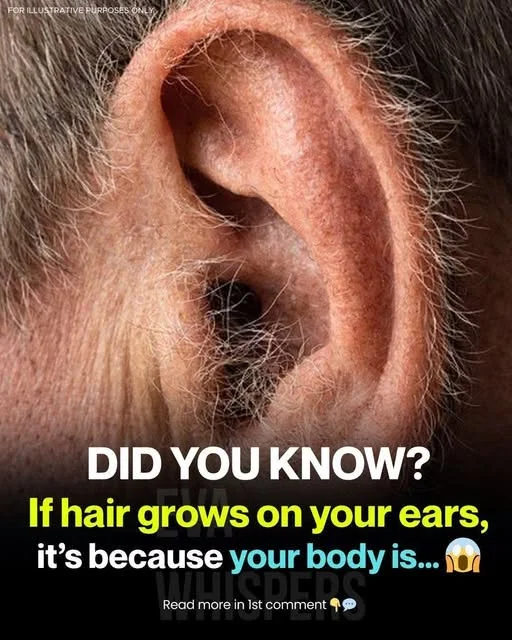
What Your Ear Hair Says About Your Health….see more>>.

Ear hair might seem like a small or even annoying detail, but it’s a normal part of being human and it can sometimes tell you something about your body. While there’s no strong scientific evidence that ear hair directly reveals specific diseases, medical research and expert opinion help explain why it appears and what it might be associated with. Why Ear Hair Grows Everyone has hair on their body, including around and inside their ears — it’s part of how mammals are built. There are two main types: Vellus hair: This is the fine, soft “peach fuzz” covering much of the outer ear and earlobe. It’s common, usually light in color, and serves little visible purpose. Terminal hair: This is thicker, darker hair that grows on areas like the tragus (the small cartilage at the front of the ear opening) and sometimes sticks out visibly. Terminal ear hair becomes more noticeable in many people, especially as they age. This happens because of hormones like testosterone, which can make hair follicles more sensitive and produce coarser hairs over time. Read More>>>

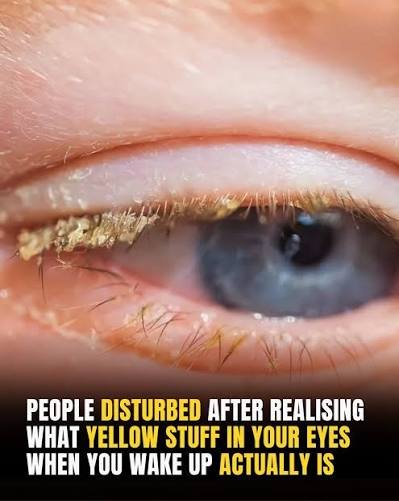
People disturbed after realising what yellow stuff in your eyes when you wake up actually is….see more…..

Let’s be honest—waking up to find yellow crust in the corner of your eyes isn’t exactly glamorous. In fact, it’s kind of gross. But what if we told you that this seemingly nasty morning surprise is actually a sign that your body is doing its job while you sleep? That’s right. That yellow gunk isn’t random—there’s some pretty cool science behind it. So if you’ve ever rubbed your eyes in the morning and wondered, “What is this stuff?”—you’re not alone. Let’s dive into the slightly weird, a little gross, and totally fascinating truth about sleep crust. What Is That Yellow Stuff in Your Eyes? You’ve probably heard it called all sorts of names—sleep dust, eye boogers, eye crust, or rheum (yep, that’s the scientific name). But here’s what’s really happening: while you sleep, your eyes continue to produce a mixture of mucus, oil, skin cells, and other debris. Why? Because your eyes need to stay lubricated—even when they’re closed. Throughout the day, you blink, which helps clear out all that gunk. But at night? No blinking. That means everything your eye would normally flush away just… collects. And by morning, voilà—you’ve got yourself a little pile of eye debris. Dead Bacteria? That’s Right—You Won the War in Your Sleep According to neuroscientist Dr. Andrew Huberman, what you’re actually seeing when you wipe that crust away is evidence of a battle your immune system won overnight. That yellow tinge? It’s often the remains of dead bacteria your eye fought off while you were catching Z’s. Think of it this way: your body was quietly fighting off invaders while you dreamed about pizza or forgot to set your alarm. And when you wipe your eyes in the morning, you’re literally sweeping away the aftermath of that microscopic battle. It’s kind of like starting your day with a tiny victory. Who knew? Video : Eye Discharge, Eye Boogers, Rheum, Sleep in Your Eyes. What is it? What Causes It? Why It’s Yellow (and Sometimes White or Clear) Eye discharge comes in a few varieties. Most of the time, it’s: Clear or white – Just normal mucus and oil Yellow or greenish – More common when your immune system is active (hello, dead bacteria) Crusty – When the fluid dries up overnight Sticky – Usually if you’ve got allergies or are a little dehydrated So a little yellow crust? Totally normal. But if it starts to look more like glue than a light coating, that could be a sign of something else. When Eye Discharge Isn’t So Innocent While most eye goop is harmless, there are times when it can point to a bigger issue—like conjunctivitis (aka pink eye). This condition is usually caused by bacteria, viruses, or allergies and can be pretty uncomfortable. If you wake up with: Thick, yellow pus sticking your eyelashes together Redness in the whites of your eyes Burning, itching, or that gritty “sand-in-your-eye” feeling Light sensitivity Then it might be time to see a doctor. Fortunately, conjunctivitis often clears up on its own, but it’s always good to keep an eye on it (pun intended). What You Should—and Shouldn’t—Do With Eye Crust Okay, so you’ve got that morning eye crust. What now? Here’s what you should do: Wash your hands first. Always. Your fingers carry bacteria, and your eyes are super sensitive. Gently clean your eyes with warm water. The NHS recommends boiling water, letting it cool, and using a clean cotton pad for each eye. Use a cold compress. If your eyes are puffy or irritated, a cool flannel can help reduce inflammation. Blink more often during the day. This helps keep your tear ducts active and flush out irritants. Here’s what you shouldn’t do: Don’t rub your eyes roughly. This can irritate them or introduce bacteria. Don’t share towels or pillows. Especially if you’ve got signs of conjunctivitis—it’s highly contagious. Don’t use expired eye drops or makeup. Old products can harbor bacteria and make things worse. TikTok Reacts: From Sleep Crust to Self-Esteem Boost Of course, the internet has weighed in on this revelation, and reactions have ranged from shock to self-celebration. One TikTok user summed it up perfectly: “I refuse to lose—even when I’m sleeping.” Another said, “Starting the day with a victory.” And then there’s the kid who said he used to put it in his tea. We’ll… just move past that one. But in all seriousness, learning that this weird little morning ritual is actually a sign that your body is working hard for you? That’s a mindset shift worth having. Want to Keep Your Eyes Healthy? Here’s How Your eyes are amazing. They clean themselves, fight bacteria, and help you see the world—all while you sleep. If you want to keep them in top shape, here are a few tips: Stay hydrated. Dry eyes produce more mucus, so drink your water. Get enough sleep. Deep, restorative sleep allows your glymphatic system (yes, your brain’s cleaning crew!) and your eyes to do their jobs. Use a humidifier. Especially if you live in a dry climate or use heating/AC a lot. Wear sunglasses. Protecting your eyes from UV damage keeps your tear glands happy. Take breaks from screens. Follow the 20-20-20 rule: every 20 minutes, look at something 20 feet away for 20 seconds. Video : Doctor Reveals Mucus Fishing Syndrome! Conclusion: Celebrate the Eye Crust, Just Don’t Ignore the Red Flags So the next time you wake up and notice that crusty yellow gunk in your eyes, don’t be grossed out—be proud. Your immune system has been hard at work, and your eyes just handed you proof. It’s like your body whispering, “Hey, I’ve got your back. Even when you’re sleeping.” But remember, if your eye discharge suddenly becomes excessive, painful, or weirdly colored, don’t shrug it off. A quick trip to your doctor or eye specialist can help you catch anything early. In the meantime, sleep tight—your microscopic warriors are on the job. Read More>>>

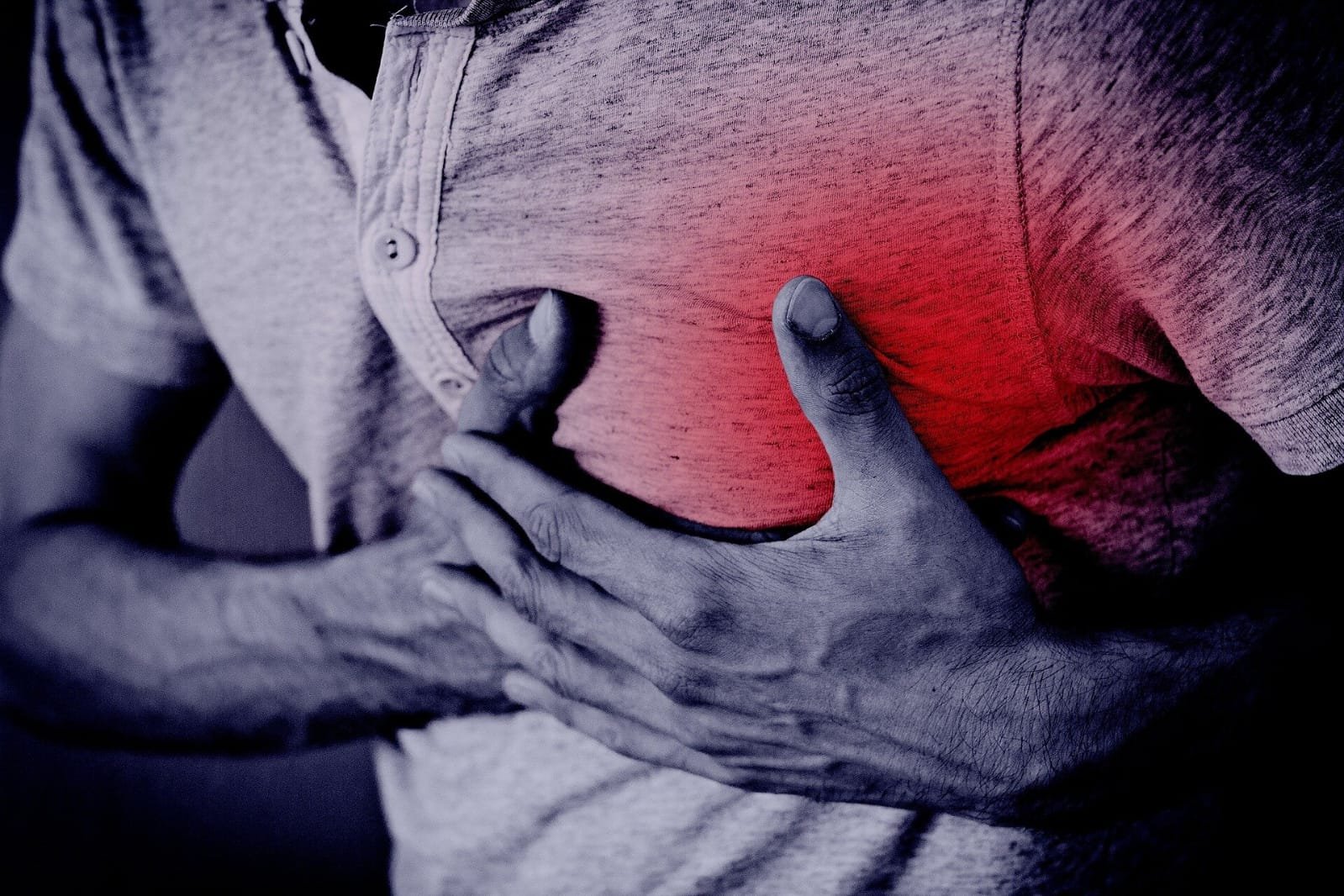
The Reason You May Get Random Stabbing Pains in Your Chest Explained….see more…

If you have any level of health anxiety, you’ll know three things for certain. One, every symptom means cancer. Two, stabbing pains in your chest means an imminent heart attack. Three, Dr. Google diagnoses everything as cancer or heart disease. More often than not, it’s something much less serious, especially if it’s one symptom on its own. For example, stabbing chest pains can signify a cardiovascular event, but if it goes away after a few minutes and there’s no shortness of breath or shooting pain down the left arm, it’s probably just a minor ailment like precordial catch syndrome. What is Precordial Catch Syndrome? Source: Shutterstock Also called chest wall twinge syndrome and Texidor’s twinge, precordial catch syndrome can feel like sharp, stabbing pain in the chest while taking a breath. And unlike heart disease, it’s completely harmless and comes with no other symptoms and doesn’t radiate pain to other parts of the body. It may occur occasionally or only once a lifetime. “Precordial catch syndrome is not well understood, but it is believed to be related to irritation or inflammation of the nerves in the chest wall,” said Dr. Joe Whittington, a board-certified emergency physician, to HuffPost. “The pain may result from the pinching or trapping of nerves, especially the intercostal nerves that run between the ribs. The condition may also be associated with muscle spasms or tension in the chest muscles.” However, it has no association with heart or lung disease. It usually happens during poor posture, like slouching, or light physical activity, like taking a walk. It worsens with deep breaths, which could lead to small and shallow breaths. Fortunately, it affects only a small area of the chest and lasts a few seconds or up to three minutes. Doctors are unsure of what causes this random burst of stabbing chest pain, although it’s likely muscle spasms or pinched nerves, according to Cleveland Clinic. Since it’s more common in older children and young adults, it may come from growth spurts. Precordial catch syndrome usually goes away quickly. People can help relieve the pain by sitting or standing up straight, and trying to relax while taking slow, deliberate breaths. Although it’s painful, some find deep breathing makes it go away faster. The syndrome stops or becomes less intense for most individuals in their 20s. Other Causes of Chest Pain Source: Shutterstock Costochondritis: Another cause of chest pain is costochondritis, which is inflammation in the cartilage between the ribs and breastbone, according to the NIH. It can come from a chest injury, viral infections, strain from exercise, or strain from harsh coughing. The pain or discomfort tends to worsen with movement, deep breaths, or applied pressure. “Costochondritis is typically a harmless condition,” Whittington said. “In most cases, it is a self-limiting condition that resolves on its own with time.” But it can last for weeks or even months. It could be managed with rest, heat or cold packs, and over-the-counter pain medications. Gastritis: This is an inflammation in the stomach, causing indigestion, heartburn, as well as stomach upset and cramps, says BMJ. It can come from anemia, autoimmune disorders, anemia, long-term use of ibuprofen, and irritations like alcohol, coffee, cigarettes, spicy food, etc. Gastritis most commonly comes with heartburn and other reflux symptoms. Although it’s generally not a serious condition, the inflammation can last briefly or linger for months. Speak to your doctor about ways to relieve it. Anxiety: It’s not all in your head; often it’s in your chest. Disordered anxiety is linked with raised rates of high blood pressure. Plus, rapid breathing can lead to chest pain from straining or spasming of the muscles in the chest wall. In fact, symptoms of panic disorder include pain or pressure in the chest, heart palpitations, chills, and dizziness. Experiencing intense feelings of fear and dread trigger bodily responses. Although this kind of chest pain isn’t normally harmful, untreated anxiety and panic disorders can lead to health issues, including heart conditions, according to Harvard Health. When Seek Treatment for Stabbing Chest Pain Source: Shutterstock Although it’s not always the case, chest pain can become a medical issue. “If the chest pain significantly affects your daily activities, persists for an extended period, or does not respond to conservative measures, it is advisable to seek medical advice for further evaluation and appropriate management,” said Dr. Whittington. However, you should seek emergency medical help if you have stabbing chest pain that continues after five minutes, and neither rest nor painkillers help. Other causes for concern are  accompanying symptoms, like excessive sweating, rapid heart rate, lightheadedness, nausea, vomiting, pain in the jaw, neck, arm shoulder, abdomen, or back. Additionally, speak to your doctor if you experience anxiety about your wellbeing; precordial catch syndrome isn’t serious on its own, but it can cause unhealthy amounts of stress…. Read More>

SPECIAL MIRACLE, 3 Missing Texas Girls Found Alive in a Hollow Tree 1 Mile From Camp, They Survived Nearly 10 Days Thanks to These 2 Things….see more

What rescuers are calling an almost unimaginable miracle unfolded Sunday afternoon in the aftermath of the devastating Texas flood disaster. Nearly ten days after Camp Wrenwood was overwhelmed by rising waters, three young girls—among the 27 initially reported missing—were found alive, sheltered inside the hollow trunk of a massive oak tree less than a mile from the destroyed campsite. The discovery has stunned emergency officials, medical professionals, and families across the country. Against overwhelming odds, the girls endured exposure, hunger, fear, and isolation with nothing but ingenuity, training, and an unbreakable bond with one another. Search efforts had been relentless since the flooding tore through the area. Helicopters swept overhead. Ground teams combed debris fields, creek beds, and forested paths. Dogs followed scent trails that vanished in mud and water. Day after day, hope dimmed as time stretched on. A volunteer hiker assisting with ground searches had been assigned to a secondary trail—an area that had already been loosely checked earlier in the week. As she navigated around fallen trees and soaked earth, she heard a sound coming from the base of a large, partially collapsed oak. At first, she assumed it was an injured animal or wind shifting through debris. Then she heard a voice. “We’re here… please don’t leave.” The words were faint, barely audible, but unmistakably human. The hiker immediately called for help. Within minutes, trained rescue teams rushed to the scene, carefully pulling away loose bark and debris. What they found left even seasoned responders speechless. Curled together inside the hollow trunk were three girls—Emily Rivera, Zoey Nash, and Hope Lin, all between eight and ten years old. They were huddled close, wrapped in damp towels, their small bodies pressed together for warmth. A broken shoelace had been tied across a slab of bark, creating a crude flap that helped block wind and insects. They had been there for nearly ten days. Paramedics described the scene as surreal. The girls were weak, scratched, dehydrated, and covered in insect bites, but they were conscious, responsive, and—most remarkably—calm. No life-threatening injuries were found. Doctors later confirmed that two key factors likely saved their lives. The first was water. With no access to food and no safe way to travel far without risking getting lost, the girls focused on hydration. Using plastic wrappers from their lunch kits, they fashioned a makeshift rainwater catchment system, angling the plastic into the hollow so droplets could collect. They also drank from leaves after storms and wrung moisture from their shirts directly into their mouths. “They showed an intuitive understanding of survival priorities,” said Dr. Mia Lang, part of the emergency medical team that treated them. “Water is everything in situations like this. Without it, they wouldn’t have lasted more than a few days.” The second factor was preparation. Just days before the flood, Camp Wrenwood counselors had run a wilderness safety drill—a routine exercise that many children likely didn’t realize could ever become real. The lesson focused on staying together, finding shelter, conserving energy, and minimizing movement when lost. The girls remembered every part of it. “They told us they kept repeating what they learned,” one paramedic said. “‘Stay dry. Stay together. Stay quiet.’ They treated it like a mission.” Rather than panic or wander off individually, the girls chose the hollow tree as shelter and committed to it. They rationed movement, spoke quietly to avoid attracting animals, and took turns staying awake during storms. When fear crept in, they talked to each other about home—about their mothers, favorite meals, and what they would do when they got back. One rescuer said that was perhaps the most powerful element of all. “They never stopped believing they’d be found,” he said. “Even when they thought no one was coming, they believed in each other.” When news of the rescue reached the family base camp, the reaction was immediate and overwhelming. Parents who had spent days oscillating between hope and despair collapsed in tears. One mother reportedly fell to her knees when she heard her daughter’s name. Nearby towns rang church bells. Strangers embraced. Within hours, social media flooded with messages under hashtags like #HollowTreeHeroes, #3StrongGirls, and #FaithFoundThem. Across the country, people called it a story the nation desperately needed. “Ten days,” one widely shared post read. “No fire. No food. Just courage.” Another said simply, “They saved each other.” Emergency officials were careful to emphasize that the broader disaster remains tragic. Many families are still waiting for news. The search continues. Loss has been immense. But even in the middle of devastation, this discovery stands as proof that survival is sometimes possible where logic says it shouldn’t be. Medical teams say the girls will remain under observation for several days. Rehydration, infection prevention, and emotional support are the priorities now. Counselors trained in trauma care are working closely with the families to help the children process what they endured. Yet even as they recover, the girls have already left a lasting impact. Rescue leaders have pointed to this case as a powerful argument for practical safety education. Simple drills, often dismissed as routine or boring, can become life-saving knowledge. The importance of staying together, conserving energy, and using the environment wisely cannot be overstated. For now, the ancient oak tree where the girls sheltered stands quietly in the woods, unremarkable to anyone who doesn’t know its story. But to many, it has already become a symbol—of resilience, preparation, and the strength that can emerge even in the smallest hands. In a disaster defined by loss, three voices calling out from a hollow tree reminded the nation that hope can survive in the darkest, most unexpected places. Read More>

The Most Googled Sex Questions in America Revealed — And the Top One Raises Alarms….see more …

Even though most of us received some form of sex education in school, plenty of questions still come up — and not everyone has access to a reliable expert or educator. Topping the list: “How to have sex.” Yes, really. Here are the other most searched sex questions in the U.S., by average monthly searches: 8,700 searches — What causes pain during sex in females? 11,000 searches — I had sex then got my period. Can I still be pregnant? 11,000 searches — How to last longer during sex? 12,000 searches — Why am I bleeding after sex? 13,000 searches — Can you have sex while pregnant? 16,000 searches — What is oral sex? 18,000 searches — What is sex? 20,000 searches — Light spotting after sex. Could I be pregnant? 29,000 searches — How long should you wait to have sex after yeast infection treatment? Top search — How to have sex? What does this say about America’s sex education? Sex and relationship expert Alexa Johnston believes this trend speaks volumes. While it’s natural to have questions, turning to Google might not always be the safest or most accurate route. “These searches reveal how universal our curiosities are,” Johnston said. “Whether you’re in New York or Nebraska, people share the same concerns. But the real issue is that too many are getting answers from unreliable sources instead of turning to health professionals or educators.” She also expressed concern over the nature of many questions. “What stands out is how many searches revolve around health fears, not pleasure. That tells us a lot — we’re still lacking basic sex education and open dialogue about sexual wellness.” Johnston emphasized that while it’s great people are seeking knowledge, they shouldn’t have to rely on the internet for vital information about their bodies. “We need more trustworthy, accessible resources — and we need to normalize conversations around sex and health.” As for the number one question? Johnston finds it telling. “It’s surprising how many people are looking up something so fundamental,” she said. Her advice? “Good sex isn’t about a formula. It’s about communication, mutual consent, and comfort. Talk openly about boundaries, go slow, and check in with your partner. That’s the real starting point.” Read More>

NOW! These are the consequences of sleeping with your c! See more

In the modern digital landscape, headlines designed to shock and provoke—often punctuated by ominous ellipses like “the consequences of sleeping with your c…”—are ubiquitous. They act as lures in the vast ocean of social media, designed to capitalize on human curiosity and the visceral reaction to scandal. However, beneath the layer of sensationalism and clickbait lies a much more somber and complex reality. These stories, which frequently revolve around the transgression of fundamental social, professional, or familial boundaries, are not merely fodder for public amusement. They are often the prologues to profound personal tragedies, characterized by the systematic unraveling of reputations, the dissolution of family structures, and the onset of lifelong psychological burdens.Family games The true weight of these situations is rarely found in the moment of exposure, but in the slow, agonizing aftermath that follows. When individuals choose to ignore established boundaries—whether they are rooted in professional ethics, familial roles, or societal standards—they often do so under the illusion of privacy and control. They believe that their actions exist within a vacuum, hidden by the darkness of secrecy. Yet, history and modern technology suggest that such secrets are inherently volatile. When they inevitably surface, the transition from a private decision to a public crisis is instantaneous and unforgiving. The consequences that arrive are rarely confined to the two individuals involved; they radiate outward, impacting children, spouses, parents, and entire communities. The psychological and emotional toll is perhaps the most devastating and least visible of these consequences. The initial thrill or confusion of an inappropriate relationship is rapidly replaced by a crushing weight of guilt and shame once the reality of the situation is made public. For the transgressors, the realization that they have violated their own moral compass can lead to severe mental health crises, including chronic anxiety, depression, and post-traumatic stress. The psychological trauma for the betrayed parties is equally acute. Trust, once broken on such a fundamental level, is rarely restored to its original state. Families are often torn asunder, not just by the act itself, but by the deception required to maintain it. Children caught in the wake of such scandals often carry the emotional scars into their own adult relationships, struggling with issues of abandonment and the destruction of the foundational safety they once associated with their home. Beyond the internal emotional wreckage, the external social and legal ramifications are equally severe. In many contexts, the violation of certain boundaries moves beyond the realm of social taboo and into the jurisdiction of the law. Depending on the specific nature of the relationship and the local statutes, individuals may find themselves at the center of criminal investigations and high-profile court proceedings. Even in instances where the behavior does not meet the threshold for criminal prosecution, the “court of public opinion” is often far more ruthless. In the age of the internet, a damaged reputation is a permanent digital scar. Details of the scandal, captured in articles, social media threads, and search engine results, follow the individuals indefinitely. This persistent public record makes it nearly impossible to regain a sense of normalcy.Buy vitamins and supplements The professional fallout from such judgment failures can be catastrophic. Many employers have strict morality clauses or codes of conduct that prohibit behaviors deemed inappropriate or damaging to the organization’s reputation. Public exposure often leads to immediate termination of employment, and the subsequent difficulty of finding new work in a chosen field can lead to long-term financial instability. The social isolation that follows is a silent punisher. Friends and colleagues often distance themselves to avoid the stigma associated with the scandal, leaving the individuals to face their regret in a vacuum of support. This isolation further exacerbates the mental health issues, creating a vicious cycle of loss and despair. Furthermore, these headlines serve as a stark reminder of the essential nature of social boundaries. These limits are not arbitrary restrictions designed to stifle individual freedom; they are evolved protections intended to maintain the stability of the social fabric. When these boundaries are breached, the cost of repair is almost always higher than the perceived benefit of the transgression. The narrative arc of these stories is remarkably consistent: a brief period of poor judgment followed by a lifetime of trying to outrun the fallout. The tragedy lies in the fact that while the headlines focus on the “shock,” the real story is one of profound loss—loss of integrity, loss of family, and loss of a future that once seemed certain. The digital era has amplified these consequences by ensuring that a single mistake can be broadcast to millions in an instant. There is no “reset” button for one’s public image once a scandal of this magnitude breaks. Information circulates with a speed and permanence that was once unimaginable, ensuring that the judgment failure of one afternoon remains the defining characteristic of a person’s life decades later. The price paid for ignoring the boundaries of judgment is, therefore, a permanent loss of agency over one’s own story. Ultimately, the real-world impact of these “consequences” serves as a cautionary tale for a society increasingly desensitized to scandal. Behind every sensational headline is a group of real people whose lives have been permanently altered. It is a story of fractured bonds that can never be mended, of trust that has been permanently eroded, and of the high, irreversible price of failing to respect the lines that keep a society whole. The shocking headlines are merely the tip of the iceberg; the deeper reality is a vast, cold expanse of regret and the realization that some mistakes are too large to ever truly leave behind. The enduring lesson is that boundaries exist for a reason—to protect our mental health, our families, and the stability of our futures from the chaotic and destructive power of unchecked impulse. Read More>>>