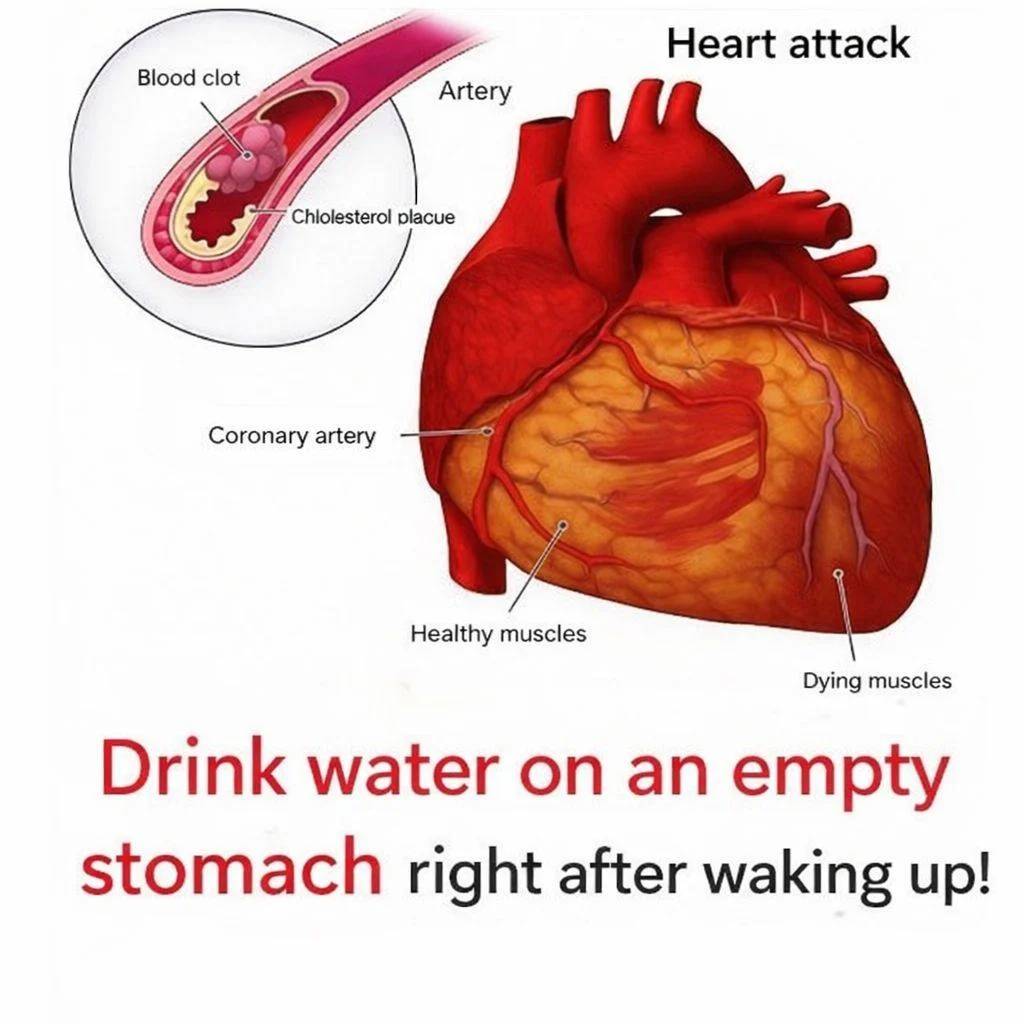
Understanding cholesterol begins with recognizing its two main types. LDL cholesterol is commonly referred to as “bad cholesterol” because it can build up in the walls of arteries, forming plaques that restrict blood flow. HDL (high-density lipoprotein), on the other hand, is known as “good cholesterol” because it helps remove excess cholesterol from the bloodstream and transports it to the liver for elimination. The goal of cholesterol management is to lower LDL levels while increasing or maintaining healthy HDL levels. One of the most effective ways to manage cholesterol is through a heart-healthy diet rich in fiber, healthy fats, and nutrient-dense whole foods. Dietary fiber, especially soluble fiber, plays a major role in reducing LDL cholesterol. Soluble fiber binds with cholesterol particles in the digestive system and helps remove them from the body. Foods such as oats, barley, apples, carrots, lentils, beans, and psyllium husk are excellent sources of soluble fiber and should be included regularly in daily meals. A diet rich in plant-based foods has been consistently shown to improve cholesterol levels. Fruits and vegetables contain antioxidants, vitamins, and fiber that support cardiovascular health and reduce inflammation in the body. Leafy greens, citrus fruits, berries, and cruciferous vegetables like broccoli and cabbage are particularly beneficial. These foods not only help reduce cholesterol but also improve overall metabolic function and immunity. Healthy fats also play a crucial role in cholesterol management. Not all fats are harmful; in fact, certain fats are essential for heart health. Unsaturated fats, found in foods such as olive oil, nuts, seeds, avocados, and fatty fish, help reduce LDL cholesterol while supporting HDL levels. Replacing saturated fats with healthier alternatives can have a significant positive impact on cardiovascular health. For example, using olive oil instead of butter or ghee in cooking can help improve lipid profiles over time. On the other hand, saturated fats and trans fats should be limited as much as possible. These unhealthy fats are commonly found in fried foods, baked goods, processed snacks, margarine, and fast food. They increase LDL cholesterol and contribute to plaque buildup in arteries. Regular consumption of these foods significantly raises the risk of heart disease. Reducing intake of such foods is one of the most important steps in cholesterol management. Whole grains are another essential component of a cholesterol-lowering diet. Unlike refined grains, whole grains retain their fiber-rich outer layers, which help regulate cholesterol absorption in the body. Foods like whole wheat, brown rice, oats, quinoa, and barley provide long-lasting energy while also supporting heart health. Replacing refined carbohydrates with whole grains can lead to noticeable improvements in cholesterol levels over time. Protein choices also influence cholesterol balance. Plant-based proteins such as lentils, chickpeas, beans, and tofu are naturally low in saturated fat and beneficial for heart health. Animal-based proteins can also be included, but lean options such as skinless chicken, fish, and low-fat dairy products are healthier choices. Fatty fish like salmon, sardines, and mackerel are particularly valuable because they contain omega-3 fatty acids, which reduce inflammation and support healthy heart function. Another important dietary strategy is reducing sugar intake. Excess sugar consumption is strongly associated with increased triglyceride levels and weight gain, both of which negatively affect cholesterol balance. Sugary drinks, desserts, and processed snacks should be limited or avoided. Instead, natural sources of sweetness such as fruits can be used to satisfy cravings without harming cardiovascular health. Cooking methods also play a role in cholesterol management. Deep frying should be avoided as it increases unhealthy fat intake. Healthier cooking methods such as steaming, grilling, baking, and sautéing with minimal oil are better alternatives. These methods preserve nutrients while reducing unnecessary fat consumption. Portion control is another key factor in maintaining healthy cholesterol levels. Even healthy foods can contribute to weight gain and lipid imbalance if consumed in excess. Eating balanced portions ensures that calorie intake remains within healthy limits, supporting both weight management and cholesterol control. Hydration is often overlooked in heart health discussions, but it plays an important role in metabolic efficiency. Drinking sufficient water helps the body process nutrients effectively and supports liver function, which is essential for cholesterol regulation. Proper hydration also improves digestion and helps prevent overeating by supporting natural hunger cues. Physical activity is another critical component of cholesterol management. Regular exercise helps increase HDL cholesterol while lowering LDL levels and triglycerides. Activities such as walking, jogging, cycling, and especially Resistance training contribute to improved cardiovascular health. Exercise also supports weight management, which directly influences cholesterol balance. Stress management is equally important in controlling cholesterol levels. Chronic stress can negatively affect heart health by increasing inflammation and disrupting hormonal balance. Practices such as mindfulness, meditation, deep breathing, and adequate sleep can help reduce stress levels and support overall cardiovascular function. Poor sleep, in particular, has been linked to higher cholesterol and increased risk of heart disease. Another often overlooked factor is consistency. Cholesterol levels do not improve overnight; they require long-term commitment to healthy habits. Temporary dietary changes may produce short-term results, but sustainable improvements come from consistent lifestyle choices. Making gradual, realistic changes is more effective than extreme diets that are difficult to maintain. Regular monitoring is also important for individuals with high cholesterol or a family history of heart disease. Routine lipid profile tests help track progress and allow adjustments to diet and lifestyle as needed. Early detection of imbalances makes it easier to prevent long-term complications. In conclusion, managing cholesterol through healthy eating is both achievable and highly effective. A diet rich in fiber, healthy fats, whole grains, fruits, vegetables, and lean proteins can significantly improve cholesterol levels and reduce the risk of cardiovascular disease. At the same time, reducing saturated fats, trans fats, sugar, and processed foods is essential for maintaining heart health. When combined with regular physical activity, stress management, and healthy lifestyle habits, dietary changes can lead to long-lasting improvements in cholesterol balance and overall well-being. A consistent, balanced approach is the key to a healthier heart and a longer, more active … Read more