If a woman has small breasts, it means that her internal part…

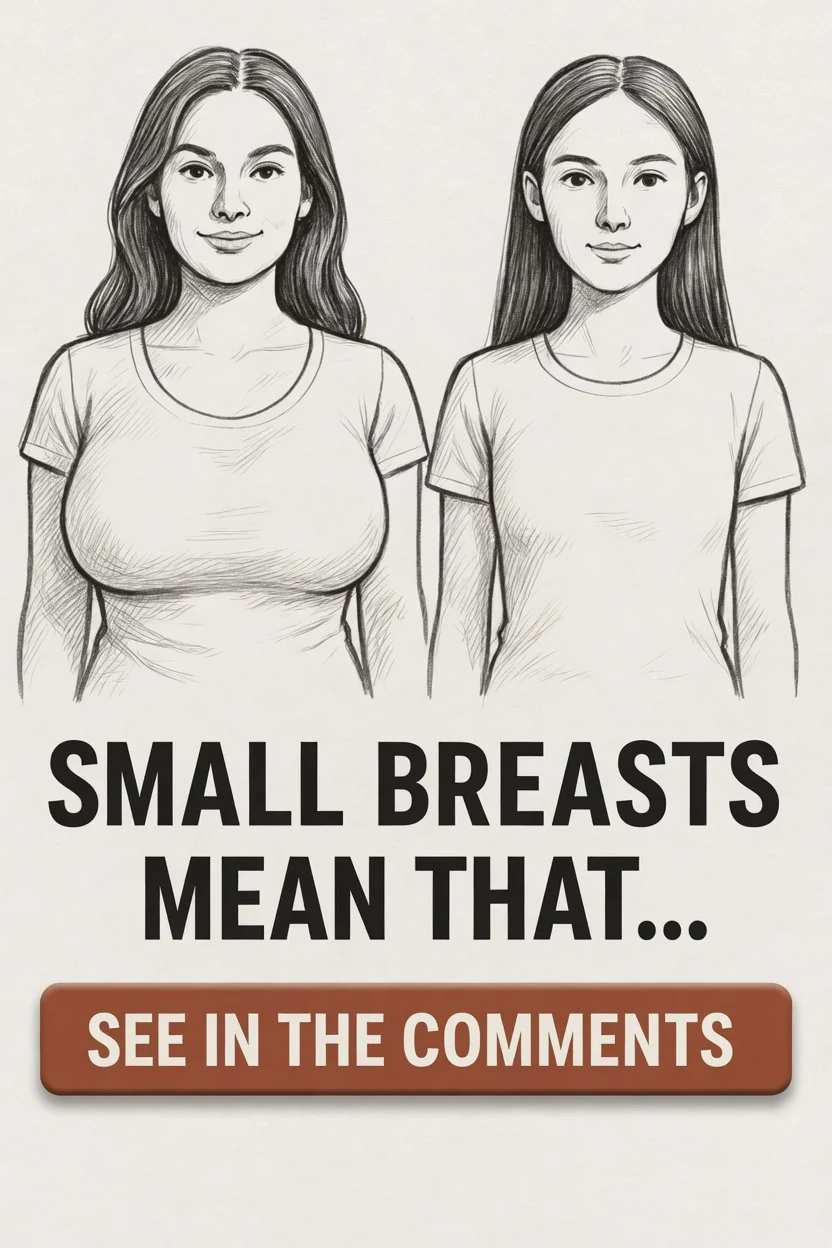
The perception of breast size has long been surrounded by beliefs and myths. Many women wonder if their breast size can affect their hormonal balance or overall well-being. In this article, we explore this connection, debunk common misconceptions, and share natural health tips for women of all body types. The biology behind breast size A woman’s breast size is primarily influenced by genetics and hormones. Hormones like estrogen and progesterone play a significant role in breast tissue development. During puberty, the surge in hormone levels contributes to breast growth. Other factors, such as age, weight, and lifestyle, can also affect breast size It’s important to note that having small breasts doesn’t necessarily mean you have health problems. Every body is unique, and breast size isn’t a reliable indicator of overall health. Some theories suggest a correlation between breast size and hormone production, as well as certain aspects of female well-being, but this remains to be proven. Myths and realities about breast size and hormonal health

Signs Someone May Be Missing Emotional and Physical Closeness in Life

Human connection plays an important role in emotional well-being and overall happiness. Emotional and physical closeness can provide comfort, support, reassurance, and a sense of belonging. When someone goes for a long period without meaningful connection, it may begin to affect their mood, behavior, confidence, and daily life in subtle ways. While every person experiences loneliness and emotional distance differently, experts say there are certain emotional and behavioral signs that may appear when someone is missing closeness and connection in their life. Increased Feelings of Loneliness One of the most common signs of lacking emotional connection is persistent loneliness. A person may feel emotionally disconnected even when surrounded by friends, coworkers, or family members. Loneliness is not always about being physically alone. Sometimes it comes from feeling misunderstood, emotionally unsupported, or unable to form deeper bonds with others. Over time, this emotional emptiness can affect motivation and overall happiness. Mood Changes and Emotional Sensitivity People who are missing emotional closeness may become more emotionally sensitive than usual. Small disappointments, rejection, or misunderstandings may affect them more deeply because emotional needs are not being fully met. Some individuals may experience sadness, frustration, irritability, or emotional exhaustion more frequently. Others may become quieter and more withdrawn without realizing the emotional cause behind these changes. Increased Desire for Attention or Reassurance When emotional connection is missing, some people naturally begin seeking more attention, validation, or reassurance from others. This does not necessarily mean they are needy, but rather that they are craving emotional comfort and connection. They may become more active on social media, seek frequent communication, or feel disappointed when others appear distant or unavailable. Difficulty Relaxing Emotionally Emotional closeness often creates a sense of safety and calmness. Without it, some people may struggle to fully relax emotionally. They may overthink conversations, worry about relationships, or feel emotionally restless even during quiet moments. This emotional tension can sometimes affect sleep quality, concentration, or overall peace of mind. Feeling Emotionally Disconnected From Others People who are missing emotional connection sometimes feel detached from those around them. Conversations may begin to feel surface-level or emotionally unfulfilling. Even when interacting with others regularly, they may still feel that something important is missing emotionally. This can slowly increase feelings of isolation over time. Lower Confidence and Self-Worth Healthy emotional connection often helps people feel valued, appreciated, and emotionally secure. Without that support, some individuals may begin doubting their self-worth or attractiveness. Over time, emotional isolation can affect confidence levels and make people question whether they are truly understood or appreciated by others. Increased Stress and Mental Fatigue Emotional support helps people cope with stress more effectively. When someone lacks emotional closeness, everyday problems may begin to feel heavier and more emotionally draining. Without a strong support system, stress can build up more easily, leading to emotional fatigue and mental exhaustion. Craving Physical Comfort and Affection Physical closeness, such as hugs, comforting touch, or simply sitting close to someone, can create feelings of warmth and emotional reassurance. When people go long periods without physical affection, they may begin missing simple forms of comfort and human connection. Some individuals may not openly express this feeling, but it can still affect emotional well-being over time. Becoming More Withdrawn Socially In some cases, emotional disconnection may lead people to isolate themselves further. They may avoid social situations, communicate less frequently, or spend more time alone because they feel emotionally drained or discouraged. Unfortunately, this isolation can sometimes deepen feelings of loneliness instead of improving them. Overthinking Relationships and Interactions People who are emotionally disconnected may begin overanalyzing conversations, messages, or social interactions. They may worry more about rejection, emotional distance, or misunderstandings. This overthinking often comes from a deeper desire for reassurance and meaningful emotional connection. Importance of Healthy Human Connection Emotional and physical closeness are natural parts of human life. Healthy relationships, supportive friendships, and meaningful communication all contribute to emotional balance and mental well-being. Connection does not always need to be romantic. Family support, close friendships, and genuine social interaction can also provide emotional comfort and reduce feelings of isolation. Ways to Improve Emotional Well-Being Building stronger emotional connections often begins with open communication and healthy social habits. Spending quality time with supportive people, maintaining friendships, practicing self-care, and participating in activities that encourage connection can improve emotional health over time. For individuals experiencing persistent loneliness or emotional distress, speaking with a mental health professional may also be helpful. Final Thoughts Missing emotional and physical closeness can affect people in many different ways, from loneliness and stress to emotional sensitivity and reduced confidence. While these experiences are common, they also highlight how important healthy human connection is for emotional well-being. Understanding these signs can help individuals recognize their emotional needs and take positive steps toward building healthier, more supportive relationships in their lives.

Doctors Warn About Serious Mental Health Risks After People Share Frightening Weed Experiences

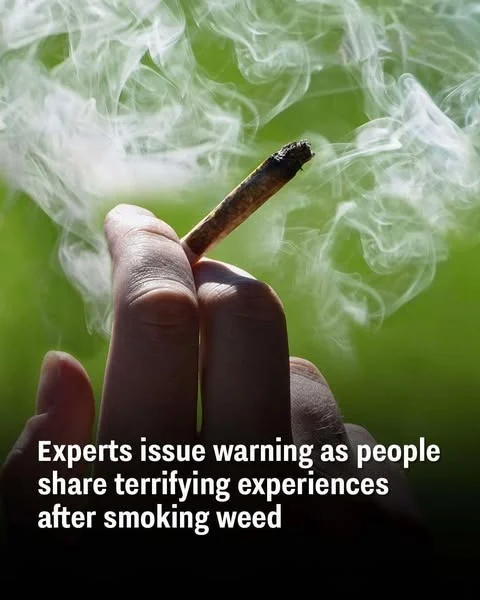
As marijuana becomes more widely used around the world, medical experts are raising fresh concerns after many users began sharing disturbing personal experiences linked to smoking weed. While some people use cannabis to relax or reduce stress, others say they experienced terrifying symptoms including paranoia, panic attacks, hallucinations, anxiety, and feelings of losing touch with reality. Health professionals say these reactions may be more common than many people realize, especially with today’s high-potency cannabis products. Experts are now urging users to better understand the possible mental health risks connected to heavy or frequent marijuana use. Users Describe Frightening Reactions Across online forums and social media, many individuals have opened up about deeply unsettling experiences after smoking weed. Some described feeling trapped in intense panic, while others reported hearing voices, seeing visual distortions, or believing they were disconnected from reality. One Reddit user explained they experienced severe paranoia and believed terrifying events were happening around them, even though none of it was real. Another person described feeling stuck in a “time loop” after consuming cannabis, while others reported lingering anxiety long after the effects wore off. Although not everyone experiences these symptoms, experts say such stories highlight the importance of understanding how cannabis can affect the brain differently from person to person. Experts Warn About Cannabis-Induced Psychosis Medical researchers have increasingly focused on the connection between cannabis use and psychosis. Cannabis-induced psychosis is a condition where someone experiences symptoms such as paranoia, hallucinations, confusion, or delusions after using marijuana. According to experts, younger users and people with certain genetic or mental health vulnerabilities may face higher risks. Research cited by health professionals has shown that strong cannabis products with high THC levels may increase the likelihood of severe reactions in some individuals. Some doctors warn that repeated heavy cannabis use could potentially contribute to long-term psychiatric conditions in vulnerable individuals. Why Today’s Weed May Be Stronger Than Before Experts say modern cannabis products are often far more potent than those available decades ago. Certain strains are specifically designed to contain very high THC concentrations, which produce stronger psychoactive effects. Researchers believe this increased potency may partly explain why more users are reporting panic attacks, extreme anxiety, and psychotic symptoms after using marijuana. Health specialists warn that inexperienced users may especially underestimate how powerful some modern cannabis products can be. Anxiety and Panic Attacks Are Common Complaints Even among people who do not experience psychosis, anxiety and panic attacks are frequently reported after smoking weed. Some users describe racing thoughts, chest tightness, fear of dying, or feelings of losing control. Experts explain that THC can affect brain chemicals related to mood, stress, and perception. For some individuals, especially those prone to anxiety, cannabis may trigger overwhelming emotional reactions rather than relaxation. Several users online said they stopped using marijuana entirely after experiencing intense panic episodes that left lasting emotional effects. Long-Term Mental Health Concerns Researchers continue studying whether long-term marijuana use may increase risks of psychiatric disorders in certain people. While occasional use may affect individuals differently, experts say frequent or heavy cannabis consumption deserves caution. Some studies have linked regular marijuana use with higher risks of developing psychotic disorders, particularly in younger users or those with a family history of mental illness. Doctors emphasize that cannabis does not affect everyone in the same way, which is why reactions can vary dramatically between users. Online Communities Share Recovery Stories Despite the frightening experiences, many people online also shared stories about recovery after quitting marijuana. Some users reported improvements in anxiety levels, mental clarity, sleep quality, and emotional stability after stopping cannabis use. Others encouraged people experiencing severe symptoms to seek professional medical support instead of ignoring warning signs. Mental health experts say early intervention can be extremely important if someone experiences ongoing paranoia, hallucinations, or severe emotional distress after using cannabis. Experts Encourage Awareness and Responsible Choices Doctors are not suggesting that every cannabis user will develop severe mental health problems. However, specialists say the growing number of reported negative experiences should encourage greater awareness about the potential risks. Experts particularly urge caution among teenagers, young adults, and individuals with existing mental health concerns. Understanding dosage, potency, and personal risk factors may help reduce the likelihood of dangerous reactions. Medical professionals also advise users to seek help if marijuana begins causing emotional instability, panic attacks, or disruptions to daily life. Final Thoughts For many people, marijuana may appear harmless or relaxing at first. But as more users share terrifying personal experiences and researchers continue studying the mental health effects of cannabis, experts are warning that the risks should not be ignored. From panic attacks and paranoia to psychosis and long-term anxiety, cannabis can affect people in very different ways. Health professionals say awareness, moderation, and understanding personal mental health risks are more important than ever as cannabis use continues to grow worldwide.

The Effects of Too Much Physical and Emotional Closeness on Health and Well-Being

Healthy relationships are built on connection, trust, and emotional support. However, like many aspects of life, balance is important. While emotional and physical closeness can strengthen a relationship, an unhealthy level of dependence or lack of personal space may sometimes affect a person’s mental and emotional well-being. Understanding how closeness works in relationships helps individuals maintain a healthy balance where both partners feel supported without losing their individuality or personal identity. When Closeness Becomes Overwhelming Emotional and physical closeness becomes overwhelming when one or both partners rely too heavily on each other for comfort, validation, or emotional stability. In such cases, the relationship may start to feel intense rather than supportive. Instead of feeling balanced, a person may begin to feel emotionally drained or pressured to constantly meet the other person’s needs. Over time, this can create stress and reduce personal freedom within the relationship. Healthy closeness should always feel comforting, not suffocating. Impact on Personal Space and Independence One of the most important aspects of a healthy relationship is maintaining personal space. When emotional or physical closeness becomes excessive, individuals may begin to lose their sense of independence. This can affect hobbies, friendships, personal goals, and even daily routines. People may start spending less time on themselves, which can slowly lead to frustration or emotional fatigue. Experts often emphasize that maintaining individuality within a relationship is essential for long-term happiness and stability. Emotional Dependence and Its Effects Too much emotional closeness can sometimes lead to emotional dependence. This happens when one partner relies heavily on the other for constant reassurance, happiness, or decision-making. While support is a normal part of any relationship, over-dependence can create pressure and imbalance. It may also lead to anxiety when the partner is not available or responsive. Over time, this can affect emotional confidence and create insecurity within the relationship. Stress and Mental Fatigue When closeness becomes excessive, it may also lead to emotional stress. Constant interaction, lack of space, or feeling responsible for a partner’s emotional state can become mentally tiring. This type of stress does not always appear immediately but can build up slowly over time. Individuals may begin to feel mentally exhausted or overwhelmed without clearly understanding the reason. Taking breaks and allowing personal time is often helpful in restoring emotional balance. Reduced Social Interaction In some cases, too much closeness in a relationship can lead to reduced interaction with friends, family, and social circles. When a couple spends most of their time together, they may unintentionally isolate themselves from other important relationships. This can limit social support systems, which are essential for emotional well-being. A balanced social life helps individuals maintain different perspectives and emotional stability outside the relationship. Communication Pressure in Relationships When partners are extremely close, there may be pressure to communicate constantly or share every detail of daily life. While communication is important, excessive expectations can sometimes create tension. One partner may feel overwhelmed by frequent emotional discussions or constant updates, while the other may feel ignored if communication decreases. Finding a comfortable rhythm is important for maintaining harmony. Effects on Emotional Balance A healthy relationship should bring emotional stability, not emotional overload. When closeness becomes excessive, it may affect emotional balance by making individuals overly sensitive to each other’s moods or reactions. This can lead to unnecessary stress or overthinking, especially during misunderstandings or small conflicts. Emotional balance improves when both partners respect boundaries and allow space for personal emotional processing. Importance of Boundaries in Relationships Setting healthy boundaries is one of the most important parts of maintaining a strong relationship. Boundaries are not meant to create distance but to ensure respect, individuality, and emotional well-being. Clear boundaries help both partners understand when to support each other and when to allow personal space. This creates a more stable and respectful connection over time. How Balance Improves Relationship Quality When emotional and physical closeness is balanced, relationships often become healthier and more fulfilling. Both partners feel supported without losing their independence. Balanced closeness allows individuals to grow personally while still staying connected as a couple. It also reduces stress, improves communication, and strengthens long-term trust. Final Thoughts Closeness is an important part of any relationship, but balance is the key to maintaining emotional and mental well-being. When emotional and physical connection is healthy, it brings comfort and support. However, when it becomes excessive, it may lead to stress, dependence, and loss of personal space. A strong relationship is built not only on closeness but also on respect, independence, and understanding. Finding the right balance helps both partners grow together while still maintaining their individual identity and happiness.

The strange, terrifying…

Sleep paralysis is what happens when the brain wakes up before the body’s built‑in “dream paralysis” has switched off. You’re conscious, but your muscles are still locked in REM sleep. That’s why you can’t move, speak, or sit up — and why the moment feels so disturbingly real. The hallucinations and crushing chest sensations are your brain trying to make sense of this terrifying mismatch. Though it can feel like a brush with death, sleep paralysis itself is harmless and temporary. A regular sleep schedule, lowering stress, and protecting your bedtime from screens and chaos can sharply reduce episodes. When it does happen, focusing on slow breathing and trying to move just one small muscle — a finger, a toe — can help “unlock” the rest of your body. Talking about it breaks the isolation, replaces superstition with understanding, and reminds people they are not cursed, crazy, or alone.

A horrifying update…

During the chaos at the White House Correspondents’ Dinner inside the Washington Hilton, one unexpected moment went viral. As Donald Trump and Melania Trump were escorted out after gunfire, guests fled while authorities secured the scene and arrested the suspect. Amid the confusion, a woman was filmed calmly collecting bottles of wine from nearby tables. The clip quickly divided opinion online. Some called it inappropriate given the situation, while others argued the wine had already been paid for and left behind.She wasn’t alone—several attendees were seen leaving with bottles as the night abruptly ended.

Many know! ❤️❤️ Studies reveal … See more

In the world of relationships, love and intimacy go hand-in-hand. But what if we told you that science has uncovered some surprising information about a topic many are shy to discuss — swallowing your partner’s semen? According to various scientific studies, semen isn’t just a reproductive fluid — it contains a unique mix of nutrients, hormones, and natural mood boosters. Semen is composed of water, fructose (a natural sugar), proteins, vitamins like vitamin C, zinc, and enzymes. Researchers have even found traces of mood-enhancing hormones such as oxytocin, serotonin, and melatonin, which are known to support better sleep and emotional well-being. One 2002 study published by researchers at SUNY Albany gained wide attention after it suggested that women who engaged in oral sex and swallowed semen reported fewer signs of depression compared to those who did not. The theory? Certain chemicals in semen may act as natural antidepressants. While this research isn’t a green light for everyone to try it, it does open the door for more conversation around how intimacy can affect emotional health. Of course, it’s important to keep safety and consent at the center of every intimate act. Swallowing semen from a partner you trust and who is free from STIs may not pose a health risk, but unprotected oral sex with unknown or untested partners can lead to sexually transmitted infections. Communication, testing, and mutual respect are always key. At the end of the day, intimacy is deeply personal. What works for one couple might not work for another. But it’s fascinating to see how science continues to explore the connections between physical closeness, mental health, and emotional bonding. So whether you’re curious, cautious, or confident in your choices, remember: it’s your body, your relationship, your rules. And sometimes, the things we don’t talk about… are the ones that connect us the most. ❤️

Trans woman outraged after gynecologist refuses to see her – “I’m human too!”see more >

Trans woman outraged after gynecologist refuses to see her – “I’m human too!” A transgender woman recently sparked a heated debate after she claimed a gynecologist turned her away from an appointment, refusing to provide medical care. The woman expressed her frustration, stating, “I’m human too,” highlighting the emotional impact of being denied service based on her gender identity. Medical professionals are generally expected to offer care to all patients, including transgender individuals, with sensitivity to their specific needs. Guidelines in many healthcare systems emphasize inclusive practice, ensuring that trans patients receive appropriate and respectful treatment, which may involve specialized gynecological care tailored to their medical history and transition status. The incident has raised questions about healthcare access for transgender people and the importance of provider training in cultural competency and LGBTQ+ health issues. Advocates stress that denying care can have serious health consequences and perpetuate discrimination, while also urging institutions to enforce non-discrimination policies in medical settings. The case underscores the ongoing need for dialogue between healthcare providers and transgender communities to improve understanding and ensure equitable access to medical services for all individuals, regardless of gender identity.

Why a Woman May Suddenly Lose Interest in a Man..Read Full Story>

1. Lack of Emotional Connection: When the emotional bond fades—no deep conversations, understanding, or shared feelings—interest can drop quickly. 2. Disrespectful Behavior: Actions like rudeness, selfishness, or disregard for her feelings can make her pull away instantly. 3. Unmet Expectations: If promises or expectations (like commitment or honesty) aren’t fulfilled, trust erodes and interest wanes. 4. Change in Priorities: Life changes (career focus, personal goals) might shift her priorities, making the relationship less important. 5. Loss of Attraction: Physical or personality traits that initially attracted her may lose appeal if not nurtured. 6. Communication Breakdown: Poor communication or unresolved conflicts can create distance and diminish interest. 7. Independence Issues: Overdependence or lack of personal space can make her feel suffocated, leading to disinterest. 8. Discovery of Red Flags: Learning about negative habits (dishonesty, infidelity) can cause an immediate loss of interest. Understanding these factors can help individuals reflect on their relationships and improve communication to maintain mutual interest and respect.

Why Public Bathroom…

Have you ever walked into a public restroom and noticed that the stall doors don’t quite touch the floor? That small gap might feel strange or even a little uncomfortable at first. Many people wonder why it exists at all. The truth is, this design is not a mistake. It’s actually a smart and intentional choice. Architects and designers carefully plan public spaces to balance privacy with safety, hygiene, and ease of maintenance. That small gap under restroom doors plays a bigger role than most people realize. “The gap beneath public restroom doors is a deliberate design choice, not a mistake.” Safety Comes First One of the most important reasons for the gap is safety. In public places, emergencies can happen at any time. Someone inside a stall might feel unwell, faint, or need urgent help. The space under the door allows staff or emergency responders to quickly check if someone is in trouble without having to force the door open. This can save valuable time in critical situations. It also makes it easier to communicate with someone inside or pass small items if needed. While it may seem like a simple feature, it can make a big difference when every second counts.