BREAKING NEWSJust hours ago, a tremendous fire broke out in…See more.

A powerful 7.7-magnitude earthquake struck along the China–Myanmar border, turning ordinary life into chaos within seconds. Buildings collapsed, power was lost, and families fled into the streets as panic spread. Communication disruptions and aftershocks added to the uncertainty, leaving many searching for loved ones. In the aftermath, the region has fallen into a tense quiet. Streets once filled with activity are now lined with debris and temporary shelters. Survivors gather around radios and shared phones, hoping for updates as rescue teams work urgently to locate those still trapped beneath rubble. Authorities from both countries have coordinated response efforts, sending engineers to inspect critical infrastructure and deploying rescue teams to the hardest-hit areas. International aid groups are preparing supplies, including food, medical support, and shelter for isolated communities. Despite the devastation, moments of hope—rescued survivors and reunited families—offer signs of resilience as recovery begin

These are the first symptoms of cr…

What the Skin Changes Mean Dark, velvety patches on the neck, armpits, or groin may look like dirt but can signal Acanthosis Nigricans, a skin condition often linked to insulin resistance and high blood sugar. These patches can’t be scrubbed away and aren’t caused by poor hygiene. Causes and Risk Factors Acanthosis Nigricans isn’t a disease itself—it’s a warning sign. Common causes include insulin resistance, obesity, hormonal disorders, genetics, and rarely medications or tumors. Children and adults with obesity who develop these patches may face a higher risk of type 2 diabetes. Diagnosis and When to See a Doctor The patches are usually painless and not itchy. Blood sugar tests can help confirm insulin resistance. A doctor should be consulted if patches appear suddenly, spread, or come with symptoms like fatigue, excessive thirst, or frequent urination. Management and Prevention Treatment focuses on the root cause: healthy eating, physical activity, weight management, and regular health screenings. Early recognition supports long-term health.

Pauline Potter was named world’s heaviest woman: See her today

Once celebrated for a record that was quietly killing her, Pauline Potter reached a point where humiliation hurt more than hunger. The woman who once needed a scooter to move and her son to wash her folds of skin chose to fight for her life instead of a title. My 600-lb Life gave her a path, but it didn’t hand her a miracle; she battled cravings, denial, and the crushing comfort of old habits. With Dr. Now’s relentless honesty and her own fragile determination, she slowly turned excuses into effort. After surgery, setbacks, and painful honesty with herself, Pauline shed roughly 500 pounds and endured skin removal surgery. At 223 pounds, she finally tasted the freedom most people take for granted: walking unaided, bathing alone, existing without shame. Her journey doesn’t glamorize obesity or weight loss; it shows that recovery from food addiction is brutal, imperfect, and still absolutely possible.

Young man hospitalized after being arrested….

A young man was hospitalized shortly after being taken into police custody following a disturbance call, sparking concern among family members and residents in his community. According to authorities, officers responded to reports of a disturbance and took the individual into custody without any immediate indication of a serious medical issue. However, shortly after the arrest, the man reportedly began showing signs of physical distress, prompting officers to request medical assistance. Emergency responders arrived at the scene and transported him to a nearby hospital, where he was later listed in stable condition. News of the incident quickly spread throughout the community, leading to questions about the circumstances surrounding the arrest and the events that followed. Family members expressed concern about the young man’s condition and questioned whether proper procedures were followed during and after his detention. They called for a thorough investigation to ensure that all actions taken by law enforcement personnel were appropriate and consistent with established policies. Community leaders and local residents also voiced concerns, emphasizing the importance of transparency and accountability whenever a person experiences a medical emergency while in police custody. Many urged officials to provide clear information about what occurred, noting that public confidence often depends on open communication during incidents involving law enforcement. In response to the concerns, authorities announced the launch of a formal review. Investigators began examining available evidence, including body camera footage, witness statements, dispatch records, and medical reports. Officials stated that the review would focus on determining whether officers followed department procedures and whether any additional factors contributed to the young man’s medical condition. The incident has once again drawn attention to broader discussions surrounding arrest procedures and detainee welfare. Experts have long stressed the importance of recognizing signs of medical distress during police encounters and ensuring that individuals receive timely care when needed. Proper screening, training, and communication can play a critical role in preventing serious outcomes. While the investigation remains ongoing, community members continue to seek answers. The case has renewed conversations about public trust, accountability, officer training, and the need for effective safeguards that protect both public safety and individual well-being during law enforcement interactions.

Search results for a motel maid….

Inside the room, the young girl sat cross-legged on the bed, her face illuminated by the soft glow of a nightlight shaped like a unicorn. Her eyes were fixed on a notebook in her lap, her expression distant and mechanical as she scribbled continuously. Daniel Harper, or whatever his real name might be, stood across the room, watching her with a cold, scrutinizing gaze. His demeanor was no longer that of a suburban dad, but something far more sinister. Angela’s heart raced as she strained to see more. The girl’s movements seemed repetitive, robotic even, as if she was under some kind of pressure. She noticed the walls lined with large sheets of paper covered in strange symbols and equations, things no eleven-year-old should be familiar with. Was this some kind of twisted tutoring session? It was then that Daniel moved closer to the girl, the façade of his pleasant demeanor completely gone. He leaned over her shoulder, pointing at something on the page, and his voice, muffled by the window glass, carried a tone of impatience and threat. Angela’s stomach churned as she saw the girl’s fingers tremble, her pencil slipping out of her grasp, only to be shoved back into her hand by Daniel.\ Angela’s instincts screamed at her to act, but fear and uncertainty gripped her. What if she was wrong? What if this was just an overbearing tutor? She hesitated, torn between the need to protect the girl and the fear of making a grave mistake. As she stood there, frozen, the girl suddenly looked up, her eyes meeting Angela’s through the sliver in the curtains. In that fleeting moment, Angela saw a plea for help, silent but unmistakable. It was all the confirmation she needed. Angela stepped back and took a shaky breath. Her mind raced through the steps she needed to take. She turned and hurried back inside, her resolve hardening with each step. Her first call was to the police, reporting her suspicions about the man and the girl in Room 112. She described everything she had seen, her voice steady with determination. Next, she called her manager, explaining the situation and requesting the room be locked from the outside until authorities arrived. Her manager, a kind but cautious man, agreed to her request, trusting Angela’s instincts honed by years of experience. Minutes later, the blue and red lights of a police car flashed across the motel’s parking lot. Angela watched from a distance as officers approached Room 112. Her heart ached for the young girl as she prayed for her safety. The officers knocked, and after a tense moment, Daniel opened the door, a carefully crafted smile on his face. But Angela could see the stiffness in his posture, the slight twitch of his eye. The girl remained on the bed, her eyes flicking towards the officers with a mix of fear and hope. Angela’s breath caught as she saw the officers lead the girl out, the man in cuffs behind her. Relief flooded her, knowing that her instincts had been right. The girl was safe, and Daniel would face justice for whatever horrors he intended. As the squad car pulled away, Angela felt a weight lift from her shoulders. She had done the right thing, trusting her gut when it mattered most. In that moment, she knew she would never ignore her instincts again.

Justin Bieber admits that he tested positive for…see more>

🌪️ The Invisible Toll: Stress, Fame, and the Physical Body Beyond physical health concerns, Bieber has spoken openly over the years about his struggles with anxiety, stress, and the immense pressures of global fame. Living under constant public scrutiny—where every photo is analyzed and every mistake is magnified—can profoundly affect both mental and physical well-being. Medical experts note that chronic stress triggers the release of cortisol, which can manifest in highly visible physical ways. How Chronic Stress Impacts the Physical Body: While fans often focus on celebrity appearances, it’s vital to remember that the physical body keeps the score of mental and emotional stress. ✈️ The Demands of a Relentless Schedule Many observers have suggested that a demanding lifestyle may also play a major role in Bieber’s changing appearance. The life of a global pop star is not just about singing on stage. It involves: ✅ Years of grueling international touring across multiple time zones. ✅ Constant travel, which disrupts circadian rhythms and immune function. ✅ Recording projects with irregular hours and intense creative pressure. ✅ Business commitments and public appearances that leave little room for genuine rest. Lack of adequate rest and recovery can lead to visible exhaustion, changes in body composition, and a “hollow” look that fans often mistake for a severe illness. However, unless Bieber or his medical team provide specific information, any conclusions beyond these publicly known lifestyle factors remain pure speculation. 🛑 Separating Fact from Social Media Speculation Despite rumors circulating online, there is currently no verified evidence that Justin Bieber is suffering from a new life-threatening or critical medical condition beyond the health challenges he has previously discussed. The Danger of “Armchair Diagnosing”: Many viral posts and social media claims rely on assumptions based solely on photographs. But photos are highly misleading. They don’t show: ❌ Lighting and angles: Harsh lighting or unflattering camera angles can make anyone look gaunt or tired. ❌ Natural aging: Bieber is in his 30s now; facial fat naturally shifts and decreases as we transition from our 20s to our 30s. ❌ Context: A single photo taken after a long flight or a 14-hour workday doesn’t reflect a person’s overall health. ⚠️ Media literacy note: Social media algorithms reward sensationalism. Posts claiming “Justin Bieber is secretly dying” generate clicks and shares, even if they are entirely fabricated. Always look for official statements from the celebrity or their verified representatives. 💙 Why Fans Are Concerned (And Why That’s Understandable) Fans naturally pay close attention to celebrities they admire. When someone has been a soundtrack to your life, seeing them look unwell triggers a genuine, protective instinct. Possible reasons for a thinner or more tired appearance can include: ✅ Stress and anxiety ✅ Changes in diet, fitness routines, or lifestyle ✅ Ongoing recovery from past illnesses (like Ramsay Hunt) ✅ Travel-related fatigue and jet lag ✅ Sleep disruption ✅ Natural aging and changes in facial structure Without official confirmation of a new illness, it is impossible to know the exact cause of day-to-day appearance changes. But the concern itself comes from a place of love. ❓ Frequently Asked Questions Q: Is Ramsay Hunt syndrome life-threatening? A: While it is a serious neurological condition that requires prompt medical treatment, it is generally not life-threatening. However, it can cause long-term nerve damage or facial weakness if not treated properly, and the recovery process is physically exhausting. Q: Why do celebrities look so different as they get older? A: Just like everyone else, celebrities age. In their 20s, faces often retain “baby fat.” As people enter their 30s, facial fat pads naturally shrink and shift, leading to a more angular, mature, or sometimes “thinner” appearance. This is a normal human process, not necessarily a sign of illness. Q: How can fans support Justin Bieber’s health without spreading rumors? A: The best way to support him is to respect his privacy, consume his music and art, and refrain from sharing unverified medical claims on social media. Sending positive energy and giving him grace to heal and age naturally is the most supportive thing fans can do. Q: Can stress really cause someone to lose a lot of weight? A: Yes. Severe or chronic stress can completely alter a person’s metabolism and appetite. For some, stress causes “nervous eating,” but for others, it completely suppresses their hunger, leading to noticeable, rapid weight loss. Q: Why do people assume celebrities are dying when they look thin? A: There is a harmful cultural trope that equates thinness or a “gaunt” look with severe illness. In reality, weight loss can be the result of intentional fitness changes, stress, natural aging, or simply a busy schedule. It’s important to challenge this assumption. 💙 A Compassionate Closing Thought If you’re reading this because you’re worried about Justin Bieber, or because you’ve seen alarming headlines and feel anxious—please take a deep breath. 🌟 Celebrities are human first. They get tired, they get stressed, they age, and they recover from illnesses just like the rest of us. The fact that they do it under the glare of a billion camera flashes doesn’t change their basic humanity. 🌟 Your concern is valid, but let it be rooted in empathy. It’s okay to care about an artist who has brought you joy. But let that care translate into respecting their boundaries and refusing to participate in harmful rumor-mongering. 🌟 Bodies change, and that’s okay. We all go through seasons of weight fluctuation, exhaustion, and physical change. Granting public figures the grace to just be human is a radical act of kindness. 🌟 Focus on the art, not the anatomy. Justin Bieber has shared his music, his vulnerability, and his journey with the world. Celebrate his resilience and his talent, rather than scrutinizing the physical toll his life has taken. There is no confirmed evidence of a new, severe medical condition. What we do know is that Justin Bieber has faced immense health and mental health challenges, survived them, and continues to navigate a life that most of us cannot even imagine. Let’s give him the space to heal, the privacy to live, and the respect to age gracefully—away … Read more

A Teacher’s Unforgettable Classroom Perfor….Read More

  A short classroom video recently captured global attention—not because of production quality or editing, but because of a teacher’s genuine enthusiasm and care for her students. In the clip, she delivered her lesson with energy that immediately engaged the class. Instead of simply presenting information, she turned the material into an interactive experience that encouraged curiosity and participation. The video was shared online by a student, and within days it spread widely. Viewers from around the world responded with recognition, many recalling teachers who had left a lasting impact on their lives. People noted that the most memorable educators are not always those who make learning easiest or most entertaining, but those who make it meaningful and engaging. Educators who viewed the clip emphasized that effective teaching is not just about transferring facts. It is about helping students connect with ideas and understand them in a deeper way. The teacher later explained she was simply teaching in a natural way, not trying to gain attention. Her approach resonated because it reflected something many people value: authentic presence in the classroom. The video sparked broader discussion about education and how students today face constant distractions. Many argued that the goal is not louder or flashier lessons, but meaningful engagement that encourages curiosity. Ultimately, the moment reminded viewers that great teaching is measured not only by what students learn in the moment, but by how they are inspired to grow long after the lesson ends.

Why Quality Sleep Is Essential for Better Health and Well-Being

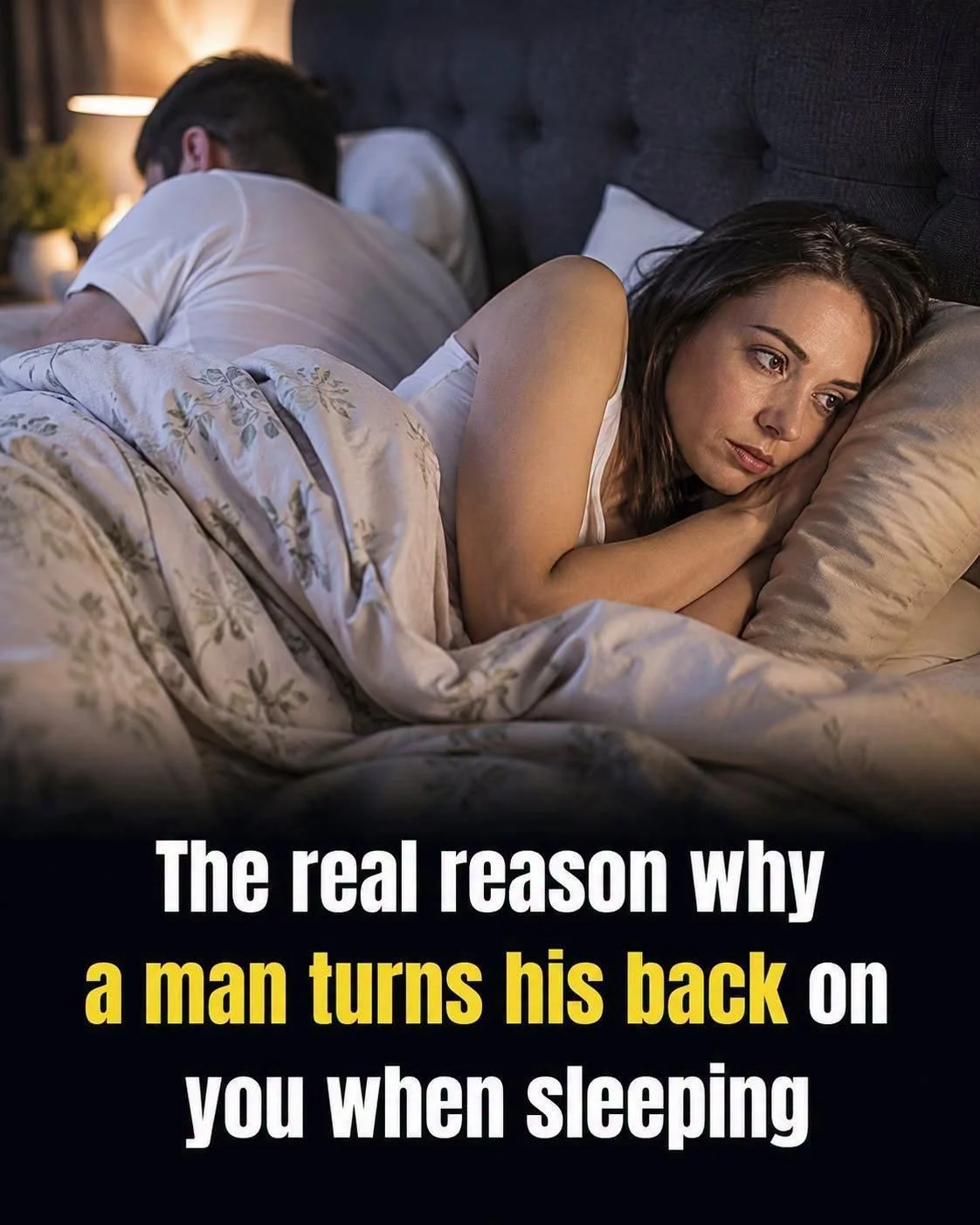
Getting enough sleep is one of the most effective ways to support your overall health, yet it is often sacrificed in today’s fast-paced world. While nutrition and exercise receive plenty of attention, quality sleep is equally important for maintaining physical, mental, and emotional well-being. During restful sleep, the body carries out essential processes that promote recovery, strengthen the immune system, regulate hormones, and prepare the brain for a new day. Establishing healthy sleep habits can improve energy levels, mood, and daily performance. Most health experts recommend that adults aim for seven to nine hours of sleep each night. This amount of rest allows the body to repair tissues, consolidate memories, and restore important biological functions. Consistently getting enough sleep may improve concentration, decision-making, emotional balance, and stress management. It also supports healthy metabolism, physical recovery, and overall wellness, making sleep a vital part of a balanced lifestyle. Insufficient sleep can have noticeable effects on both short-term and long-term health. Many people experience fatigue, reduced focus, irritability, and lower productivity after poor sleep. Over time, ongoing sleep deprivation has been linked to an increased risk of various chronic health conditions. Prioritizing a consistent bedtime routine, limiting screen time before bed, and creating a comfortable sleep environment are simple steps that can help improve sleep quality and support better health. For many couples, sharing a bed can also provide emotional benefits alongside physical rest. Sleeping next to a trusted partner often creates feelings of comfort, security, and connection that help promote relaxation. Bedtime can become an opportunity to unwind, talk about the day, and strengthen emotional bonds. While everyone’s sleep preferences differ, maintaining healthy sleep habits—whether sleeping alone or with a partner—can contribute to improved well-being and a better quality of life.

If Your Dog Is Sniffing Your Genital Area, It Usually Reflects Their Strong Sense of Smell and Natural Curiosity Rather Than a Serious Hidden Condition, as Dogs Often Detect Body Odors, Hormonal Changes, Sweat, or New Scents From Clothing and Hygiene Products, While Experts Explain That Persistent Unusual Behavior Should Only Be Discussed With a Medical Professional if

Dogs experience the world very differently from humans, largely because they rely on smell far more than sight or language. While people interpret social situations through words and facial expressions, dogs use scent as their main source of information. Because of this, behaviors that can feel awkward to humans—such as a dog sniffing a person’s private area—are usually normal canine communication rather than anything inappropriate or intentional. Dogs have an extremely powerful sense of smell, with far more scent receptors than humans and a much larger part of their brain dedicated to processing odors. This allows them to detect subtle chemical signals that people cannot perceive. Humans also produce natural scents through glands that are more concentrated in certain areas of the body, which can carry information about identity, emotion, and even physical condition. Dogs often investigate these areas simply because they provide the strongest scent cues. In the canine world, sniffing is a form of social interaction. It functions like a way of “reading” information about another being, similar to how humans use conversation to learn about each other. Dogs may pick up on emotional states such as stress, excitement, or calmness, and in some cases, trained dogs can even detect medical changes in humans. Puppies and younger dogs tend to rely on sniffing even more heavily because they are still learning social boundaries and environmental cues. While the behavior is natural, training can help dogs learn more appropriate greeting habits, using positive reinforcement and consistent commands. Understanding this behavior helps owners respond with patience and recognize that sniffing is rooted in instinct rather than bad manners, while still teaching respectful social boundaries.

EXPOSED, Shiloh Jolie-Pitt Breaks Her Silence on Diddys Secret Mentorship Nightmares, The Full Story the Industry Tried to Bury!

The golden gates of Hollywood are often built to keep the truth in just as much as they are designed to keep the public out. For years, the children of the elite have been shielded by high-priced security teams and iron-clad non-disclosure agreements, but the era of silence is rapidly crumbling. In a development that has sent shockwaves from the hills of Malibu to the corporate boardrooms of New York City, Shiloh Jolie-Pitt, the daughter of Brad Pitt and Angelina Jolie, has stepped into the spotlight to deliver a testimony that many feared would never see the light of day. This isn’t just another celebrity rumor; it is a harrowing account of power, manipulation, and the dark underbelly of the music industry’s “mentorship” culture. Now 18 and asserting her independence more than ever, Shiloh chose an unconventional platform for her revelation. Eschewing the traditional glossy magazine profiles that usually manage the images of A-list offspring, she sat down for an extensive, raw interview with the investigative podcast series The Truth Uncovered. The episode, which dropped without warning, quickly became the most talked-about piece of media in the digital landscape, as listeners tuned in to hear a voice they have known since birth finally speak her own truth. The core of Shiloh’s account centers on an event that allegedly took place two years ago. At the time, she was just 16 years old—a minor navigating the complex pressures of being the world’s most famous teenager. According to her testimony, she was invited to attend what was marketed as a “high-level mentorship weekend” at a sprawling, high-security luxury estate in Beverly Hills. The host of this exclusive gathering was none other than the legendary music mogul and business titan, Sean “Diddy” Combs. For a young creative looking to find her own footing away from the massive shadows cast by her parents, the invitation seemed like a golden ticket. Shiloh explained that the pitch was professional and enticing: a chance to meet the industry’s most influential power players, learn the intricacies of music production, and discuss the nuances of creative freedom with a man who had built an empire from the ground up. “I was told I’d get to meet industry people, learn about producing and creative freedom,” Shiloh recounted during the interview, her voice steady but laced with the weight of the memory. “But what happened was something I never expected.” The atmosphere at the estate, however, shifted almost immediately upon her arrival. What was supposed to be a collaborative environment quickly felt more like a controlled enclosure. Shiloh described a process that felt more like “processing” than “mentoring.” Upon entry, guests—including Shiloh—were reportedly asked to surrender their mobile phones, a move justified by the staff as a way to “ensure total privacy and creative focus.” In reality, it left a 16-year-old girl completely cut off from her support system and the outside world. Shiloh’s account of the evening is a masterclass in the slow-burn psychological intimidation often attributed to the industry’s most powerful figures. She was led to a private guest suite and told to wait, as the “mentorship session” was running behind schedule. One hour turned into four. Four turned into eight. As the sun set and the sprawling estate grew quiet, Shiloh remained trapped in a gilded room with no way to call for a ride or check in with her family. “No one told me what was going on,” she shared. “Twelve hours passed. I was just sitting there, wondering if this was part of some test or if I had been forgotten.” The climax of the ordeal occurred in the early hours of the morning when Diddy finally entered the room. According to Shiloh, the persona of the helpful mentor was gone, replaced by someone far more calculating. While she clarified that the encounter did not escalate into physical violence, the psychological pressure was immense. She described an environment of intense manipulation, where the mogul allegedly tried to exert a level of control over her future career and personal brand. “He tried to manipulate me,” she stated clearly. “When I refused to agree to his terms or ‘fold’ to the pressure, he got aggressive. Not physically, but intimidating. It was like he was used to people just doing whatever he said because of who he is.” Shiloh’s refusal to play along seemed to catch the mogul off guard. She described his demeanor as that of a man who viewed young talent as assets to be acquired rather than individuals to be fostered. The “mentorship” was, in her eyes, a thinly veiled attempt to bring a high-profile legacy child under his influence, using the isolation of the twelve-hour wait to wear down her resolve. Despite the fear, the resilience she inherited from her famously headstrong parents kicked in. She managed to leave the estate shortly after the confrontation, but the damage was done. The aftermath of the night was a silent struggle. For two years, Shiloh kept the story hidden, dealing with the trauma through intensive therapy. The weight of Diddy’s reputation and the sheer scale of his influence made the idea of coming forward seem impossible. “I was scared to say anything,” she admitted. “He’s powerful. He has people everywhere. But I’m 18 now. I’m done being quiet. People need to know that just because a room is beautiful doesn’t mean it’s safe.” The fallout from the interview has been nothing short of explosive. On social media, the hashtags #JusticeForShiloh and #ExposeTheTruth began trending within minutes of the podcast’s release. Fans of the Jolie-Pitt family have rallied behind the teenager, praising her bravery for standing up to one of the most litigious and formidable figures in music history. Industry insiders, however, have remained largely silent, a testament to the “culture of fear” Shiloh described. Predictably, the response from the Combs camp was swift and aggressive. Legal representatives for the mogul released a scathing statement shortly after the episode aired, dismissing the entire account as a fabrication. “These … Read more