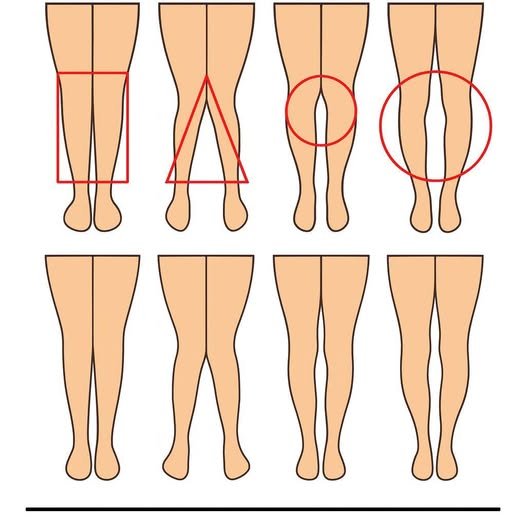
A WOMAN’S LEGS CAN TELL HOW HER IS…See More👇
In a world that often measures the quality of a relationship by external markers of success or the frantic pace of modern dating, we frequently lose sight of what actually sustains a meaningful bond. We are bombarded with media portrayals that frame physical closeness as a high-stakes performance, a choreographed sequence of events driven by speed and unrealistic expectations. However, those who have cultivated lasting, fulfilling partnerships know a deeper truth: healthy, respectful intimacy is not a skill to be mastered or a goal to be achieved. It is a living, breathing environment built on a foundation of radical respect, unwavering patience, and genuine emotional understanding. When we strip away the noise of popular culture, we find that real connection thrives in the quiet spaces where two people feel fundamentally valued, heard, and safe. At the very core of this healthy dynamic lies the principle of consent, which is far too often misunderstood as a mere formality or a one-time checked box at the beginning of an encounter. In a truly respectful relationship, consent is an ongoing, rhythmic conversation that never truly ends. it is the continuous pulse of the partnership. It is the understanding that a person has the absolute right to pause, ask questions, or change their mind at any micro-moment without the fear of judgment or the weight of guilt. When boundaries are treated as sacred rather than as obstacles to be overcome, it creates a profound sense of security. This security is the fertile soil in which trust grows; it allows partners to be their most authentic selves, knowing that their comfort is the highest priority for the person standing beside them. One of the most significant barriers to this kind of deep connection is the collection of assumptions we carry from our environment. We are conditioned to believe that intimacy follows a specific script, one often written by television shows or movies that prioritize theatricality over reality. In truth, every individual is a vast and unique landscape of preferences, sensitivities, and comfort levels. What feels like a warm embrace to one person might feel like an overwhelming intrusion to another, depending on their history, their mood, or their current state of mind. Learning from a partner—rather than relying on outdated, generalized beliefs—is the only way to navigate this landscape effectively. This requires a shift from a mindset of “knowing” to a mindset of “curiosity.” When we approach our partners with a desire to truly understand their internal world, we reduce the pressure of performance and open the door to a more natural, synchronized way of communicating. Silence in a relationship is often mistaken for harmony, but in the realm of intimacy, it can frequently lead to a buildup of confusion and unspoken anxiety. Assumed knowledge is the enemy of true understanding. To counter this, partners must learn to use language as a bridge. Asking gentle, non-judgmental questions and staying attuned to non-verbal cues allows a couple to build a shared vocabulary of comfort. When both people know they can speak their truth—whether it is a preference, a concern, or a simple need for a different pace—the relationship gains a level of confidence that no amount of physical technique can replicate. This transparency eliminates the guesswork that so often leads to tension and ensures that both individuals remain fully present in the moment. We must also recognize that the physical and the emotional are inextricably linked. It is a biological reality that when a person feels rushed, judged, or misunderstood, their body responds with tension. This physiological stress response is the direct opposite of what is required for genuine closeness. Conversely, when a person feels emotionally supported and spiritually safe, their nervous system relaxes, allowing for a deeper sense of ease and connection to flourish naturally. Intimacy, therefore, is not a purely physical act; it is a holistic experience shaped by how we treat one each other during the mundane moments of the day. The way you listen to your partner’s fears over breakfast or support their professional ambitions directly impacts the level of trust and warmth present when the lights go down. Furthermore, a healthy perspective on intimacy requires us to redefine what a “successful” connection looks like. We live in an achievement-oriented society that tends to view every activity through the lens of a specific outcome. When we apply this “finish line” mentality to our personal lives, we transform moments of connection into tasks to be completed. A more fulfilling approach is to view intimacy as a shared experience of companionship and warmth, where the journey itself is the reward. Shared laughter, a gentle touch while cooking dinner, or a long, soul-baring conversation at midnight are all deeply valuable forms of closeness. When the focus shifts from achieving a specific goal to simply being present with one another, the pressure evaporates, and the joy of the relationship increases exponentially.     As this pressure is removed, the relationship undergoes a transformation. Partners begin to navigate each other’s needs with a newfound sense of empathy and kindness. They become more adept at reading the subtle shifts in each other’s energy and more willing to provide the specific kind of support required in that moment. This evolution takes time and consistency; it is not something that happens overnight but is rather the result of a thousand small choices to prioritize the other person’s well-being over one’s own ego or expectations. Over time, these daily acts of compassion form a resilient bond that can weather the inevitable stresses of life. Ultimately, the most powerful tool in any relationship is presence. It is the ability to look at your partner and truly see them—not as a character in a script or a means to an end, but as a complex, feeling human being with their own set of dreams and vulnerabilities. Through curiosity, openness, and a commitment to emotional safety, couples can move beyond the surface-level definitions of romance and into a territory of profound, enduring connection. … Read more


If you have purple veins on your legs, it means you are..

Most common causes of purple veins Several key factors can contribute to their development: Genetics – Heredity plays a key role. Certain genes that weaken the walls of blood vessels can be inherited and increase the risk. Sedentary lifestyle – Sitting or standing for extended periods reduces blood circulation, leads to blood retention and additional pressure on the veins. Overweight – Excess weight puts pressure on the veins in the legs, weakens the valves and leads to problems over time.

Woman slept with her python every night until the vet showed her a surprising ultrasound

The woman thought her snake was very cute, but an ultrasound reveals otherwise.Woman’s magazine subscription Cassandra felt her heart race in disbelief as she stared at the ultrasound screen. What she witnessed shattered her perception of her beloved snake, Reggie. Taking him to the vet with suspicions of illness or strange behavior, the reality turned out to be far more devastating than she had imagined. A sense of foolishness washed over her as she realized she hadn’t recognized the signs. The way Reggie curled around her, the way he watched her with his piercing eyes—all of these she interpreted as displays of affection and loyalty. However, unfortunately, the truth was far from comforting. The comforting notion that her snake protected her at night now turned into a terrifying feeling. What had she done?! Cassandra used to keep her python in an enclosure with a heat lamp, as is common for pet reptiles. However, as she began to feel increasingly lonely, she decided to deepen their bond and take their relationship to a new level. She genuinely believed they could strengthen their bond. Observing how her neighbor kept his dog outside every night, seemingly having a fragile bond with the animal, Cassandra had an inspiring idea. As the weeks passed, Cassandra began to notice an alarming change in Reggie’s behavior. He no longer showed interest in her carefully prepared meals, whether it was fresh chicken or the rabbit he so adored. One morning, his behavior became extremely concerning to her. What could be happening? During the day, Reggie remained confined to her bed, refusing to eat and showing more restlessness than usual, especially when Cassandra tried to take her back to the vivarium. Cassandra wondered if Reggie was simply in a bad mood or feeling unwell. Noticing something peculiar about his appearance, she wondered if it was just her imagination or if Reggie had changed size overnight. Concerned for her pet’s well-being and fearing something might be seriously wrong, Cassandra decided to take him to the local veterinarian, Dr. Hanson. Upon entering the veterinary clinic, Dr. Hanson clearly expressed his surprise at Reggie’s size and the evident emotional connection between the snake and Cassandra. After listening to Cassandra’s explanation of the situation, Dr. Hanson agreed to examine Reggie. He suggested that the most appropriate approach would be to perform an abdominal ultrasound on the snake to determine if it had ingested any unusual objects. The vet began a series of questions about the snake, covering topics such as its eating and sleeping habits. During this conversation, Cassandra shared her nightly bonding ritual. Concerned, the vet tried to maintain his composure as he revealed the disturbing news to her, opting to show her the ultrasound results. When presented with the examination data, Cassandra was puzzled to see the python’s empty stomach. This discovery intrigued her. The vet asked if the snake usually stretched out along her body and curled up when she was lying on the bed. Cassandra nodded, confirming: “Well, yes.” “Observe,” the veterinarian continued, “Reggie’s stomach is completely empty, which is extremely unusual for a python of its size. I believe it is preparing for a large meal, which would explain its lack of appetite.” Snakes have the incredible ability to swallow prey considerably larger than themselves, thanks to the remarkable flexibility of their jaws Cassandra was incredulous. “But what could she be preparing to devour? I tried offering her various types of food, and she refused them all,” she exclaimed anxiously. Dr. Hanson hesitated, staring at the massive python before turning his gaze to Cassandra. His voice was filled with concern as he stated, “Miss Turner, I’m afraid Reggie is considering you as his prey.” As the python curled up next to Cassandra, it was actually assessing her proportions. Cassandra’s heart sank, and she found herself unable to believe what she was hearing. Her voice trembling, she said, “This is unbelievable! Reggie would never hurt me. We have a special connection! She’s my companion, my friend!” Dr. Hanson sighed before replying, “I understand your point, but Reggie is still a wild animal, and his instincts are powerful. I urge you to take the sleeping arrangements seriously, with his own safety in mind.” Although Cassandra protested, she couldn’t ignore the facts presented. Dr. Hanson explained that pythons were known to be opportune hunters, and Reggie’s behavior clearly indicated he was preparing for a big meal. He encouraged her to reconsider her current situation with Reggie, suggesting she find a more suitable home for the animal. Cassandra faced a heartbreaking choice, knowing she had to make an extremely difficult decision. Although her love for Reggie was deep, she understood that prioritizing her own safety was paramount. With deep sadness in her heart, she took the initiative to contact a rescue center specializing in exotic animals, seeking to ensure that Reggie found a new home suited to his needs. Cassandra then petted the animal and said goodbye.

BREAKING NEWS…Reading continue>>>

The first crack sounded like a gunshot. Then the ground itself began to move. Workers glanced at each other, realizing in a single, chilling moment that the highway beneath their boots was no longer safe. Panic met training as they ran, climbed, and jumped for their lives, knowing one misstep could mean bur… Continues… They will remember the sound before they remember the fear. The sharp, splintering crack of stressed concrete, the metallic groan of twisting steel, the subtle sway becoming a violent shudder. In those seconds, the construction site transformed from routine labor into a race against a collapsing giant. Men and women in orange vests dropped tools, shouted warnings, and sprinted toward any path that didn’t shake beneath them. Some scrambled down scaffolding; others leapt from machinery, trusting instinct over protocol. As they reached solid ground, a different sound filled the air: the echo of history. Many thought of Minneapolis, of the I‑35W bridge that fell without mercy in 2007, taking lives and leaving scars that never fully healed. This time, the evacuation came just in time. But the message was unmistakable—every warning ignored, every inspection delayed, is a wager placed with human lives.

A CHEATING man NEVER leaves his wife because…See more>

Keeping a marriage afloat can feel complicated and difficult for many couples. In the United States, about 40 to 50 percent of marriages end in divorce, while 57 percent of men admit to committing infidelity in any relationship they’ve had, and 74 percent of men admit they’d have an affair if they knew they wouldn’t get caught. “Men don’t leave. They just want it all,” says an article published in Today, in which several women who have relationships with married men comment on how these men “never” leave their wives. Although this does not apply in all cases, it is very common for men not to leave their wives for their lovers. But why? He has known you forever, and no one else knows him as he really is. You give him the opportunity to be authentic, because there’s no part of him you haven’t seen before. With you he, he is comfortable

When Healthy Turns Harmful: The Tragic Price of an Extreme Diet…See More>

She began with a promise to herself: to feel stronger, lighter, more alive. Wanting to be well felt noble, even brave. Guided by willpower and glowing online advice, she stepped onto a path she believed led to health, never imagining where it might end. At twenty-seven, she wasn’t chasing beauty or approval. She wanted energy, clarity, control. Her screen filled with radiant faces and perfect meals, convincing her that discipline was the same as wellness, and that effort always led to reward. She traded comfort for rules. Food became numbers, meals became decisions to pass or fail. Compliments followed her shrinking frame, reinforcing the belief that sacrifice meant progress. She smiled, unaware that her body was quietly struggling beneath the surface. At first, the changes felt positive. She felt lighter, sharper, almost euphoric. Hunger was reframed as strength, exhaustion as proof of commitment. Each warning sign was dismissed as weakness, something to overcome rather than understand. Subtle signals began to appear. Fatigue lingered. Dizziness crept in. Her heart raced when it should have rested. Still, she pushed forward, trusting plans and promises over the quiet messages her body tried to send. Friends admired her dedication. No one questioned the cost. In a culture that celebrates extremes, restraint looked like success. Slowing down felt like failure, and listening to herself felt like giving up. But the body keeps its own score. Deprived of care, it faltered. What began as a pursuit of vitality became a narrowing world, where health was measured only by control, not by balance or kindness. Her story is not about blame, but about caution. Wanting to be well should never require silence, suffering, or harm. True health is not punishment—it is listening, nourishing, and choosing care over perfection

Low Magnesium Levels Can Affect Multiple Systems in the Body – Here Are 32 Signs….see more>

Magnesium Deficiency Can Impact Your Entire Body – 32 Warning Signs You Shouldn’t Ignore Magnesium is one of the most important minerals in the human body, yet it is often overlooked. It plays a role in more than 300 biochemical processes, helping regulate muscle function, nerve signaling, blood sugar levels, blood pressure, energy production, and bone health. Despite its importance, magnesium deficiency is surprisingly common. Modern diets, chronic stress, certain medications, digestive disorders, and excessive alcohol consumption can all contribute to low magnesium levels. Because magnesium affects so many systems in the body, a deficiency can produce a wide range of symptoms that are often mistaken for other health conditions. If your body is low in magnesium, it may be sending warning signs. Here are 32 symptoms that may be associated with magnesium deficiency. What Does Magnesium Do? Before discussing the symptoms, it’s important to understand why magnesium matters. Magnesium helps: Support muscle contractions and relaxation Maintain a healthy heartbeat Regulate blood pressure Support nerve function Strengthen bones Produce energy Control blood sugar levels Promote restful sleep Support mental well-being When magnesium levels become too low, multiple body systems can be affected. Nervous System Symptoms 1. Anxiety Low magnesium may affect neurotransmitters involved in mood regulation, potentially increasing feelings of anxiety. 2. Irritability Many people with magnesium deficiency report feeling unusually irritable or emotionally sensitive. 3. Difficulty Concentrating Brain fog and reduced focus can occur when magnesium levels are insufficient. 4. Memory Problems Some individuals notice mild forgetfulness or difficulty recalling information. 5. Increased Stress Sensitivity Magnesium plays a role in regulating the body’s stress response 6. Panic-Like Feelings In some cases, deficiency may contribute to symptoms resembling panic attacks. 7. Depression Symptoms Research suggests a possible link between low magnesium levels and mood disorders. 8. Headaches Frequent headaches may be associated with inadequate magnesium intake. Sleep-Related Symptoms 9. Difficulty Falling Asleep Magnesium helps regulate neurotransmitters that promote relaxation and sleep. 10. Frequent Nighttime Waking Poor magnesium status may interfere with sleep quality. 11. Insomnia Persistent sleep disturbances have been linked to low magnesium in some individuals. 12. Non-Restorative Sleep You may wake up feeling tired despite spending enough time in bed. Muscle and Nerve Symptoms 13. Muscle Cramps One of the most recognized signs of magnesium deficiency. 14. Muscle Twitches Small involuntary muscle movements may occur. 15. Eyelid Twitching Persistent eyelid spasms are commonly associated with low magnesium. 16. Muscle Weakness Muscles may fatigue more quickly than usual. 17. Tremors Shaking or trembling can occur in more severe deficiencies. 18. Numbness Low magnesium may affect nerve function. 19. Tingling Sensations Pins-and-needles sensations may develop in the hands, feet, or face. 20. Restless Legs Some people experience uncomfortable sensations that create an urge to move the legs. Cardiovascular Symptoms 21. Heart Palpitations An irregular or unusually strong heartbeat may occur. 22. Elevated Blood Pressure Magnesium contributes to healthy blood vessel function. 23. Irregular Heart Rhythm Severe magnesium deficiency can affect cardiac electrical activity. 24. Chest Discomfort Some individuals report mild chest symptoms related to electrolyte imbalances. Energy and Metabolism Symptoms 25. Persistent Fatigue Low energy levels are one of the most common complaints. 26. Weakness The body’s cells require magnesium to produce energy efficiently. 27. Reduced Exercise Performance You may feel exhausted more quickly during physical activity. 28. Poor Recovery After Exercise Muscle soreness and fatigue may last longer than expected. Digestive Symptoms 29. Loss of Appetite Magnesium deficiency may affect digestive function. 30. Nausea Some individuals experience mild nausea when magnesium levels become very low. Bone and General Health Symptoms 31. Bone Weakness Magnesium works alongside calcium and vitamin D to maintain strong bones. 32. Increased Risk of Osteoporosis Long-term magnesium deficiency may contribute to reduced bone density. Who Is Most at Risk? Certain groups may be more likely to develop magnesium deficiency, including: Older adults People with diabetes Individuals with digestive disorders Heavy alcohol users Those taking diuretics People taking proton pump inhibitors (PPIs) Individuals under chronic stress People with poor dietary habits Foods Rich in Magnesium Fortunately, magnesium can often be increased through dietary choices. Excellent sources include: Pumpkin seeds Almonds Cashews Spinach Kale Avocados Black beans Lentils Whole grains Dark chocolate Bananas Tofu Including a variety of these foods in your diet may help support healthy magnesium levels. Can You Have Too Much Magnesium? While magnesium deficiency is relatively common, excessive magnesium supplementation can also cause problems. Potential symptoms of excessive magnesium intake include: Diarrhea Nausea Low blood pressure Muscle weakness Irregular heartbeat For this reason, supplementation should be discussed with a healthcare professional, especially if you have kidney disease or other medical conditions. When Should You See a Doctor? Many of the symptoms listed above can be caused by numerous conditions other than magnesium deficiency. However, if you are experiencing multiple symptoms—particularly muscle cramps, fatigue, sleep disturbances, heart palpitations, or unexplained weakness—it may be worth discussing magnesium status with your healthcare provider. Blood tests and a review of your diet, medications, and overall health can help determine whether magnesium deficiency may be contributing to your symptoms. Final Thoughts Magnesium is essential for the proper functioning of nearly every system in the body. Because it plays such a wide-ranging role, low magnesium levels can produce an equally wide range of symptoms – from fatigue and muscle cramps to sleep disturbances and heart palpitations. Recognizing these potential warning signs can help you take proactive steps toward better health. A balanced diet rich in magnesium-containing foods, regular medical checkups, and attention to overall wellness can go a long way toward supporting healthy magnesium levels and keeping your body functioning at its best. Remember: experiencing one or even several of these symptoms does not necessarily mean you are magnesium deficient. Only proper medical evaluation can determine the true cause. However, understanding the signs is an important first step toward protecting your health.

Why a Woman May Suddenly Lose Interest in a Man..Read Full Story>

Sometimes, a woman may seem deeply interested at first, then suddenly become distant. But in many cases, it is not truly “sudden.” Her feelings may have been changing quietly because of things she noticed over time. One of the biggest reasons is lack of consistency. When a man is caring and attentive in the beginning but later becomes cold, unavailable, or careless, it can make her feel unimportant. Love and interest grow when someone feels valued—not confused. Another reason is poor communication. If he avoids serious conversations, gives mixed signals, or never listens to her feelings, she may start feeling emotionally alone. A relationship needs more than messages and compliments; it needs understanding. Disrespect can also end interest quickly. This may include lying, flirting with others, making hurtful jokes, ignoring boundaries, or treating her differently in public and private. Once trust is damaged, feelings often begin to fade. Many women also lose interest when they feel they are doing all the effort. If she is always calling, checking in, planning, apologizing, and trying to keep the relationship alive, she may eventually get tired. Love should feel mutual, not like a one-person responsibility. Sometimes, the reason is simply that she realizes the connection is not right for her. She may want different values, goals, maturity, or peace in her life. Losing interest does not always mean someone is bad—it can mean the relationship is not compatible. The best way to keep a woman interested is not to pretend to be perfect. It is to be honest, respectful, consistent, emotionally mature, and caring. Real love stays where there is trust, effort, and peace.

Mysterious Skeleton Found on a Rooftop: What Could It Be?

A strange-looking skeleton found on a corrugated metal rooftop has caught people’s attention online. The small, dark, dried remains appear to belong to an animal that may have died long ago and slowly decomposed under harsh weather conditions. At first glance, the skull, long limbs, and thin body can make it look frightening or unusual. However, it is most likely the remains of a small animal such as a bird, bat, rat, or lizard. Sunlight, rain, heat, insects, and time can dry out an animal’s body, leaving behind bones and dark, mummified skin. The long thin structure visible in the image could be part of the animal’s tail, leg, or wing bones. The shape of the skull and rib cage suggests that the body has become dehydrated and collapsed over time, which can make ordinary animal remains look very different from how they looked when alive. Finding such remains on a roof is not uncommon. Small animals may enter roofs for shelter, become trapped, or die naturally in hidden areas. Over time, their remains can be exposed by wind, rain, or movement of roofing sheets. Although the image may look mysterious, it is a reminder of how nature works. Every living thing eventually returns to the earth, and even a small skeleton can tell a story about survival, time, and the environment around it

Father and daughter are arrested for living as a couple, but what struck the police…

Authorities were stunned when they discovered that a man and his adult daughter had been living together while posing as a married couple. The case came to light after neighbors began to question their unusual relationship and reported it to local police. What investigators found went far beyond what anyone had imagined. When confronted, both appeared calm and cooperative, but their story quickly unraveled as officers uncovered documents showing they had moved frequently, changing names and addresses to avoid attention. What surprised the police most, however, wasn’t just their deception—it was the depth of emotional dependency that seemed to exist between them, a bond shaped by years of isolation and secrecy. Psychologists later explained that cases like this often stem from deep trauma, manipulation, or shared delusion, making them incredibly complex to unravel. Authorities are now working with specialists to ensure that both individuals receive appropriate evaluation and support. The incident has since sparked widespread discussion online, with many expressing disbelief and compassion at the same time. It serves as a reminder of how hidden pain and broken family dynamics can sometimes lead people down paths that defy understanding.READ MORE BELOW