Fatty Liver: Causes, Symptoms, Treatment & Home Remedies
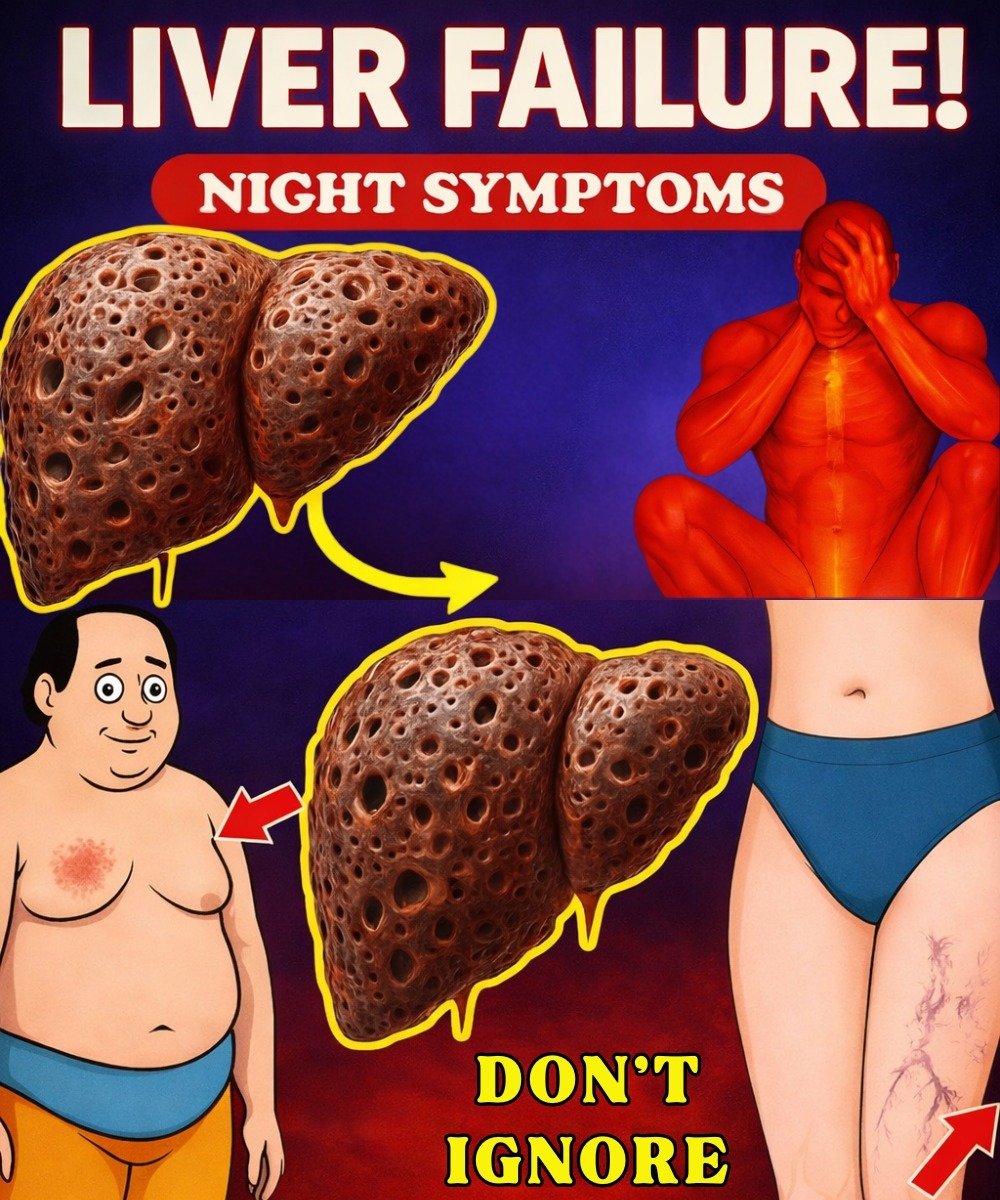
Fatty liver disease, also known as hepatic steatosis, is a condition in which excess fat accumulates in the liver. It is a common health problem that various factors, such as obesity, unhealthy lifestyle habits, and metabolic disorders, can cause. Knowing the causes, symptoms, types, and lifestyle-based approaches is the best way of preventing and managing fatty liver. c Fatty liver is caused by the accumulation of fat in the liver. It is a condition that can occur for many reasons, such as obesity, unhealthy lifestyle habits, and metabolic disorders. There can also be a hereditary component to your risk of developing this condition. Fatty liver disease is common in people with diabetes or those who drink alcohol excessively. Understanding the causes is the first step to preventing fatty liver disease from occurring altogether. Read More: 8 Signs of Poor Liver Health & the Best Supplements to Help Support It Causes of Fatty Liver Source: Shutterstock As already mentioned, there are a number of contributing factors to fatty liver disease. Most of these are lifestyle choices and are, therefore, reasonably preventable. This means that those with a family history of the condition can change their odds if they do the right things. The most common causes of fatty liver are (1): Unhealthy Diet: Consuming a diet rich in processed foods, sugary drinks, and saturated fats can increase the risk of developing fatty liver. Obesity: Being overweight or obese is a major risk factor for developing fatty liver, as it increases fat accumulation in the liver. Insulin Resistance: Insulin resistance, commonly associated with type 2 diabetes and metabolic syndrome, can contribute to the development of fatty liver. Excessive Alcohol Consumption: Heavy and prolonged alcohol consumption can cause alcoholic fatty liver disease. This is because excess alcohol slows the liver’s ability to process fats and can lead to fatty deposits and inflammation inside the organ. Other types of fatty liver can be caused by other factors Source: Shutterstock For example, some women develop one type of fatty liver while pregnant. This is called acute fatty liver of pregnancy. In most cases, the liver returns to normal after the mother gives birth. (2) Symptoms of Fatty Liver Source: Shutterstock Asymptomatic fatty liver is often discovered during a routine health check-up. In fact, most people don’t actually have any symptoms, so it can be quite advanced once it is finally detected. However, some common symptoms of fatty liver disease include (3): Fatigue Abdominal pain or discomfort A general feeling of being unwell Weakness Jaundice (yellowing of the skin and eyes) There are two main types of fatty liver disease: Source: Shutterstock Alcoholic Fatty Liver Disease (AFLD): AFLD is caused by excessive alcohol consumption, and it is the most common type of fatty liver disease. Non-Alcoholic Fatty Liver Disease (NAFLD): NAFLD is more common than AFLD and is associated with metabolic disorders, such as obesity, type 2 diabetes, high blood pressure, and high cholesterol. Prevention and Lifestyle-Based Management of Fatty Liver Source: Shutterstock Prevention and lifestyle-based management of fatty liver are essential due to its increasing prevalence linked to obesity and metabolic syndrome. By adopting healthy habits like balanced diet, exercise, weight management, and limiting alcohol intake, individuals can reduce the risk and progression of fatty liver, improving overall health and lessening the strain on healthcare systems. Diet Source: Shutterstock A healthy diet is one of the most critical factors in preventing and managing fatty liver. Here are some dietary recommendations: Eat a diet rich in fruits, vegetables, whole grains, and lean proteins. Avoid or limit processed foods, sugary drinks, and saturated fats. Choose healthy fats, such as those found in nuts, seeds, avocado, and fish. Read More: A Single Bite of This Thai Dish Can Give You Liver Cancer Exercise Regular physical activity can help reduce the risk of developing fatty liver and improve liver function in people with fatty liver disease. Here are some exercise recommendations: Aim for at least 150 minutes of moderate-intensity exercise or 75 minutes of vigorous exercise per week. Engage in activities you enjoy, such as walking, running, dancing, or swimming. Include both cardio and strength training exercises in your routine. Weight Management Maintaining a healthy weight is critical in preventing and managing fatty liver disease. Here are some weight management recommendations: Aim for a healthy weight based on your body mass index (BMI). Gradual weight loss is recommended if overweight or obese. Consult with a healthcare provider or a registered dietitian for personalized advice. Limit Alcohol Intake Reducing or eliminating alcohol consumption is recommended for people who suffer from the disease, especially for those with AFLD. Manage Medical Conditions Source: Shutterstock Managing medical conditions such as diabetes, high blood pressure, and high cholesterol can help prevent further liver damage. Supplements and Home Remedies Although a healthy diet is the best way to get the nutrients you need, some supplements and home remedies may have potential benefits for fatty liver disease. It is essential to consult with a healthcare provider before starting any supplements or home remedies. Here are some recommendations: Milk thistle is an herbal supplement that may improve liver function. (4) Omega-3 fatty acid supplements may help improve liver health. (5) Vitamin E are one of the most promising fatty liver-aiding supplements. (6) Drinking green tea may have potential benefits for fatty liver disease. (7) The Bottom Line Source: Shutterstock Fatty liver disease is a common health problem that can be prevented and managed through lifestyle changes. By adopting a healthy diet, engaging in regular exercise, maintaining a healthy weight, limiting or avoiding alcohol consumption, and managing underlying medical conditions, individuals can significantly reduce the risk and progression of fatty liver disease. In addition, considering certain supplements and home remedies may have potential benefits. A holistic approach to preventing and managing fatty liver disease is recommended and can improve both liver and overall body health. Read More: 9 of The Best Foods and Drinks for Liver Health Sources “What to Know About Fatty Liver Disease.” Healthline. The Healthline Editorial Team and Jill … Read more
What Does It Mean When a Deceased Person Appears in Your Dream?
Spiritual individuals often argue that dreams hold valuable lessons, suggesting that guides within dreams offer insights into life. On the other hand, many scientists believe that dreams are merely the brain’s way of processing information. They may represent a replay of your day, a chance to confront your fears, or an opportunity to clear your mind during stressful times. Occasionally, you might encounter unexpected visits from someone you once knew. Perhaps you’ve lost touch with that person, or maybe they’ve passed away. But what, if anything, does this type of dream signify? c Dreaming of a deceased loved one can evoke a wide range of emotions. You might experience a sense of peace and love, or alternatively, sadness—whether due to past hurts or because you miss them. Dreaming of someone who has recently passed away is a common occurrence worldwide. Such dreams are often seen as part of the grieving process. However, as noted by Healthline, if the person in your dream passed away a long time ago, it may reflect a significant transition in your own life. In dreams, death doesn’t always represent literal death; it can symbolize the brain’s way of confronting a new phase in your life. Have you recently moved? Been offered a new job? Or perhaps you’ve just graduated and are considering your future options. Experts advise that when interpreting a dream, it’s important not to get too caught up in minor details. Instead, focus on how the dream made you feel. The emotions you experience during the dream will provide more insight than anything you might see or think. Additionally, dreams are often symbolic of something deeper. Rubin Naiman, who holds a Ph.D. in psychology and has spent many years studying sleep patterns and habits, explains the process of understanding a dream’s meaning: “Dream interpretation is about decoding the dream. It enlightens us and expands our awareness psychologically, [offering an] expansion of consciousness.” Dreaming of a deceased loved one often signifies changes in your life and the emotions—whether anxiety or peace—associated with the decisions you’ve made regarding these changes. Naiman also points out that, “A lot of contemporary neuroscientists believe during REM sleep, the brain is involved in maintenance tasks, and it accidentally ‘kicks up dust,’ visually. At that end, dreaming is considered totally meaningless. On the other hand,” he adds, “The other end is that dreaming is more substantial than waking. And we see this in ‘dream cultures,’ such as the indigenous people of Australia, who believe dreaming is intrinsic to our spiritual existence.” Experts generally classify these types of dreams into four main reasons: 1. Grieving If someone has recently passed away, your brain might be working through the pain of the loss. 2. Projection of Emotions When a loved one appears angry or disappointed in your dream, it often reflects your own feelings of guilt or unresolved issues. 3. Self-Sabotage Dream analyst Lauri Loewenberg explains that dreams of deceased loved ones may reveal self-destructive behaviors, mirroring those the loved one may have exhibited, such as substance abuse or reckless spending. 4. Visitation Some believe that deceased loved ones can visit us in dreams, offering wisdom, warnings, or highlighting necessary changes in our lives. If the loved one appears happy and healthy, and you feel comforted and at peace upon waking, this might have been a visitation. While this may seem far-fetched to some, professionals like Loewenberg suggest that it could be a genuine possibility. For years, scientists have studied sleep and dreams to better understand the mind. However, for those who are spiritually inclined, dreams offer something much deeper and more meaningful. They believe that dreams provide insight into the soul, a closer connection to the deceased, and an opportunity to receive wisdom from ancestors or loved ones we’ve cherished in this life.
The Last Words And Heartfelt Gesture Pope Francis Made In His Final Moments
As the world grieves, the Pope’s closest associates have shared the truth about his last hours, including his heartfelt farewell gesture and the words he decided to leave behind. c Pope Francis died on Easter Monday, April 21, 2025, at the age of 88 at his residence in the Vatican’s Casa Santa Marta. pic.twitter.com/jUIkbplVi2 — Vatican News (@VaticanNews) April 21, 2025 Moments earlier, he had whispered nine poignant words, his last known sentence — “Thank you for bringing me back to the Square.” Those words were addressed to Massimiliano Strappetti, the nurse who had become a central figure in the Pope’s final years. The man who once recommended colon surgery to save the Pope’s life was Strappetti, who was more than just a caregiver. In 2022, he was named Pope Francis’ personal healthcare assistant for his unwavering commitment. Strappetti was by the Pope’s side during his last hospital stay in Gemelli Hospital in Rome and afterwards at Casa Santa Marta, where he kept constant watch. Strappetti accompanied Pope Francis on Easter Sunday during the Urbi et Orbi blessing, which would be his final public appearance. The previous day, they had gone over the route he would take to reach St. Peter’s Basilica’s Central Loggia. Source: Wikipedia Pope Francis had intended to ride in the popemobile following the blessing in order to surprise the 50,000 worshippers assembled in the square. But he paused and said, “Do you think I can manage it?” to get advice from his assistant. He did. On Sunday, he went back to the square, embracing the people there and giving the kids extra attention. It was the last voyage he would take in a popemobile and the first after he was released from the hospital. Tired yet content, he turned to Strappetti and said, “Thank you for bringing me back to the Square.” In that moment, he revealed the depth of his desire to be close to the people, a principle that had defined his papacy from the start. Ezoic He went to bed and had a peaceful meal later that day. He started exhibiting symptoms of an unexpected illness about 5:30 a.m. the following day. The medical staff acted right away, but Pope Francis fell into a coma around an hour later. He waved his hand to Strappetti as a last gesture before passing out when he was laying in bed on the second level of Casa Santa Marta. Ezoic He did not suffer, according to those who were there. Given the Pope’s reticent attitude on his health, the death was unexpected and covert. When Pope Francis was elected on March 13, 2013, he made a commitment to walk “together” with God’s people. With humility, warmth, and grace, he fulfilled that vow in his final hours. Ezoic A stroke, followed by a coma and permanent cardiocirculatory collapse, was determined to be the cause of death. Vatican City State’s Directorate of Health and Hygiene, led by Dr. Andrea Arcangeli, officially certified the facility. The Holy See Press Office published a report outlining the Pope’s medical history, which included multiple bronchiectases, high blood pressure, type 2 diabetes, and acute respiratory failure from multimicrobial bilateral pneumonia. By using electrocardiographic thanatography, his death was verified. Ezoic In a different, subtly poignant moment, Vice President JD Vance, who was among the last world leaders to meet with Pope Francis, said three last words to the Pope during his recent visit to the Vatican. These remarks now have more significance given the Pope’s passing. Vance, a convert to Catholicism, met Pope Francis on Easter Sunday, April 20, 2025, at the Domus Santa Marta in Vatican City. Video footage published by the Vatican showed the Pope sitting in a wheelchair, looking weak and reportedly hardly able to be heard. As Vance entered the room, he bent down and gently grasped the pontiff’s hand. “Hello,” he said. “So good to see you.” The Pope did not respond audibly. A priest acting as a translator spoke in his stead. Still, Vance, visibly moved by the moment, offered words of comfort. “I know you’ve not been feeling great, but it’s good to see you in better health,” he said. Vance stood to the Pope’s right in the photo after a short conversation, and the vice president’s final parting words were, “God bless you.” These were the final three words Vance spoke to Pope Francis; they were respectful remarks made just before the Pope’s death. Despite its briefness, the meeting was quite important. On issues like the Trump administration’s immigration policies and deportation strategies, Vance and Pope Francis had openly clashed. Despite their divergent ideologies, the Easter Sunday assembly was courteous and friendly. The Vatican said the guys had met to welcome each other on Easter. Vance’s convoy was only on Vatican property for seventeen minutes. His workplace acknowledged the encounter but provided no further details. The day before their meeting, on Saturday, Vance met with top Vatican officials to talk about issues including immigration and international war, which dominated many of Pope Francis’ public remarks. The Pope presented presents for the vice president’s family during the meeting. A priest gave Vance a plate of rosaries and a Vatican tie, along with chocolate eggs, through his interpreter. “These are for your children,” the priest said. Vance accepted the tie and replied, “Thank you. So beautiful.” The vice president and his family went to the Basilica of St. Paul Outside the Walls for Easter liturgy following the conference. They also paid a visit to the apostle Paul’s tomb. Following the Pope’s passing, Vance posted a tribute on X, expressing his sorrow and reflecting on the significance of their final meeting. “I just learned of the passing of Pope Francis. My heart goes out to the millions of Christians all over the world who loved him,” he wrote.The post continued, “I was happy to see him yesterday, though he was obviously very ill. But I’ll always remember him for the below homily he gave in the very early days of COVID. It was really quite beautiful. May … Read more